
Protein powders are everywhere in 2026. From gym beginners to busy professionals, millions rely on whey protein daily to support muscle recovery, energy, weight management, and overall health.
But as whey protein consumption has increased, so have questions like:
- “Can whey protein cause inflammation?”
- “Why do some people feel bloated after protein shakes?”
- “Can whey protein trigger acne or psoriasis?”
- “Is whey protein bad for gut health?”
The answer is more nuanced than most people think.
Whey protein itself is not inherently inflammatory. In fact, high-quality whey isolate may actually support recovery and reduce stress on the body for many people. However, certain protein formulations, ingredients, digestion issues, and lactose sensitivity can trigger discomfort or inflammatory-like symptoms in some individuals.
Understanding the difference between protein types is what truly matters.
This guide explains:
- how whey protein affects the body,
- who may experience digestive or skin-related issues,
- the difference between concentrate, isolate, and clear whey,
- and how choosing the right protein can improve digestion, recovery, and consistency.
What Is Inflammation and Why Do People Blame Whey Protein?
Inflammation is the body’s natural immune response to stress, infection, injury, or irritation.
There are two types:
- Acute inflammation: temporary and beneficial for healing
- Chronic inflammation: long-term low-grade inflammation linked to stress, poor diet, gut imbalance, obesity, lack of sleep, and lifestyle factors
Many people incorrectly assume that whey protein directly causes inflammation. In reality, symptoms often come from:
- lactose intolerance,
- poor digestion,
- low-quality ingredients,
- excessive sugar alcohols,
- artificial fillers,
- or overconsumption.
For people sensitive to dairy, low-quality whey concentrate may lead to:
- bloating,
- gas,
- digestive discomfort,
- skin flare-ups,
- or stomach heaviness.
This is why choosing the right protein format matters significantly.
Does Whey Protein Cause Inflammation?
For most healthy individuals, high-quality whey protein isolate does not cause inflammation.
In fact, whey protein contains essential amino acids that support:
- muscle repair,
- recovery,
- immune health,
- and post-workout regeneration.
However, some people may experience discomfort depending on:
- lactose tolerance,
- gut sensitivity,
- existing skin conditions,
- autoimmune tendencies,
- or ingredient quality.
Common Reasons People React Poorly to Whey Protein
| Possible Trigger | What Happens |
|---|---|
| High lactose content | Bloating, cramps, gas |
| Poor digestion | Gut discomfort |
| Artificial sweeteners | Stomach irritation |
| Cheap whey concentrate | Heavy digestion |
| Overconsumption | Digestive overload |
| Existing dairy sensitivity | Skin or gut flare-ups |
The issue is often not protein itself — but the formulation.
Whey Concentrate vs Whey Isolate vs Clear Whey: Which Is Easier on Digestion?
This is where most people make the wrong choice.
| Protein Type | Lactose Level | Digestion | Texture | Best For |
|---|---|---|---|---|
| Whey Concentrate | Higher | Moderate | Milky | General users |
| Whey Isolate | Very Low | Easier | Light | Sensitive digestion |
| Clear Whey Isolate | Minimal | Very Easy | Juice-like | Bloating-sensitive users |
Whey Concentrate
Contains more lactose and milk fats. Some people may experience:
- bloating,
- heaviness,
- gas,
- or discomfort.
Whey Isolate
Filtered to remove most lactose and fats, making it:
- lighter,
- faster absorbing,
- easier on digestion.
Clear Whey Isolate
A newer generation protein designed to feel lighter than traditional creamy shakes.
Clear whey protein is:
- low in lactose,
- light on the stomach,
- juice-like in texture,
- refreshing,
- and often easier for people who dislike heavy dairy shakes.
This is one reason why many users now prefer clear protein formats for daily consistency.
Can Whey Protein Trigger Psoriasis?
Psoriasis is a chronic autoimmune skin condition influenced by:
- genetics,
- immune function,
- stress,
- diet,
- gut health,
- and inflammation.
There is currently no strong evidence proving whey protein directly causes psoriasis.
However, some individuals with dairy sensitivity may notice flare-ups from:
- lactose-heavy products,
- poor-quality dairy,
- excessive sugar,
- or digestive irritation.
For such users, switching from whey concentrate to whey isolate or clear whey isolate may help improve comfort and digestion.
Important Note
Psoriasis triggers vary widely from person to person. Food reactions are highly individual, and anyone with chronic skin conditions should consult a qualified healthcare professional.
Can Whey Protein Cause Acne?
This is one of the most searched protein questions online.
Some people report acne flare-ups after consuming certain whey proteins. Potential reasons include:
- hormonal response,
- dairy sensitivity,
- excessive sugar,
- low-quality ingredients,
- or poor digestion.
This does not mean whey protein universally causes acne.
Many users tolerate whey isolate perfectly well, especially when:
- hydration is adequate,
- digestion is healthy,
- and overall diet quality is balanced.
Choosing cleaner formulations with fewer unnecessary additives may help reduce the chances of skin irritation.
Why Some Protein Powders Cause Bloating
Bloating is usually a digestion issue — not a protein issue.
Common causes include:
- lactose intolerance,
- consuming protein too quickly,
- inadequate water intake,
- excessive gums or thickeners,
- poor gut health,
- artificial sweeteners.
Signs Your Protein Powder May Not Suit You
- Feeling unusually heavy after shakes
- Gas or stomach discomfort
- Persistent bloating
- Skin irritation
- Difficulty digesting dairy
- Nausea after protein consumption
If these symptoms happen regularly, trying a lighter whey isolate or clear protein may help.
Is Clear Whey Protein Better for Sensitive Digestion?
For many people, yes.
Clear whey isolate has become increasingly popular because it offers:
- fast absorption,
- minimal heaviness,
- easier digestion,
- refreshing taste,
- low lactose content,
- and high protein purity.
Unlike thick milkshake-style proteins, clear whey feels more like a juice or sports drink.
This is especially useful for:
- beginners,
- people with sensitive stomachs,
- hot climates,
- post-workout hydration,
- and users who avoid creamy shakes.
How Protyze Clear Whey Isolate Was Designed Differently
Traditional protein shakes often feel:
- thick,
- overly sweet,
- difficult to digest,
- or heavy after workouts.
This is exactly why modern clear whey formats have gained popularity.
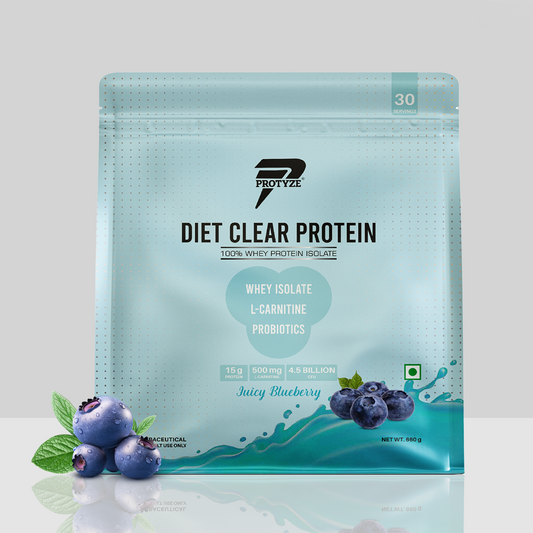
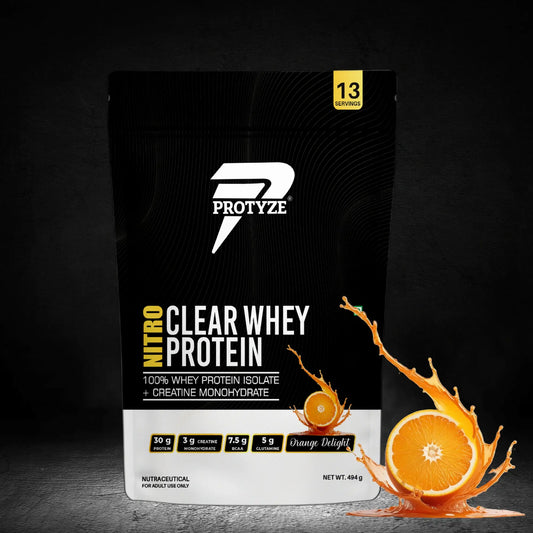
Protyze developed clear whey isolate formulas focused on:
- high protein purity,
- lighter digestion,
- refreshing taste profiles,
- low lactose formulations,
- and easy daily consumption.
Unlike conventional milky protein shakes, Protyze Clear Protein is designed to feel:
- light,
- smooth,
- and easy to consume regularly without digestive heaviness.
For users struggling with bloating or heavy shakes, this can significantly improve consistency and long-term protein intake.
Does Gut Health Affect Protein Digestion?
Absolutely.
Poor gut health can make even good protein powders feel difficult to digest.
Factors that impact digestion include:
- low fiber intake,
- stress,
- poor sleep,
- excessive processed food,
- dehydration,
- and inconsistent eating habits.
Supporting gut health through:
- hydration,
- balanced nutrition,
- probiotics,
- movement,
- and adequate sleep
can improve protein tolerance significantly.
The Biggest Myth: “Protein Powder Is Unhealthy”
One of the biggest misconceptions in India is that protein powder itself is harmful.
High-quality whey protein is simply a concentrated protein source derived from milk.
The real issue is:
- poor ingredient quality,
- fake supplements,
- excessive additives,
- or choosing the wrong formulation for your body.
The goal should not be avoiding protein —
it should be choosing cleaner, more digestible protein sources.
Who Should Consider Whey Isolate or Clear Whey?
You may benefit from whey isolate or clear whey if you:
- feel bloated after regular whey,
- dislike thick shakes,
- want lighter digestion,
- live in hot climates,
- struggle to meet daily protein needs,
- or want a refreshing alternative to creamy proteins.
Final Verdict: Can Whey Protein Trigger Inflammation?
For most healthy individuals, quality whey protein does not inherently cause inflammation.
However, digestion quality, lactose sensitivity, ingredient quality, and protein format all matter.
The biggest difference often comes from choosing:
- cleaner ingredients,
- lower lactose formulations,
- and proteins that your body digests comfortably.
For many users, whey isolate and clear whey isolate offer:
- better digestion,
- easier consistency,
- less heaviness,
- and a more enjoyable protein experience.
The right protein should support your body —
not make daily nutrition feel difficult.
FAQs
Can whey protein cause inflammation?
High-quality whey isolate generally does not cause inflammation in healthy individuals. Reactions are usually linked to lactose sensitivity, digestion issues, or poor-quality ingredients.
Is whey protein bad for psoriasis?
There is no direct evidence proving whey protein causes psoriasis. However, some people sensitive to dairy may notice symptom flare-ups.
Which whey protein is easiest to digest?
Whey isolate and clear whey isolate are usually easier to digest because they contain very low lactose.
Can whey protein cause acne?
Some individuals may experience acne flare-ups depending on dairy sensitivity, hormones, digestion, or ingredient quality.
Why does protein powder make me bloated?
Bloating may occur due to lactose intolerance, artificial sweeteners, overconsumption, or poor digestion.
Is clear whey protein better than regular whey?
Clear whey isolate is often lighter, more refreshing, and easier to digest than traditional creamy whey shakes.
Is whey isolate lactose free?
Most whey isolate products contain very low lactose, though not always completely lactose-free.
What is the best protein powder for sensitive stomachs?
Many people with sensitive digestion prefer whey isolate or clear whey isolate because they are lighter and lower in lactose