
Are you eating too much, or not enough?
This is one of the biggest reasons why people in India struggle with fat loss, muscle gain, or even maintaining their weight. You might be working out regularly, increasing your protein intake, or adding whey protein powder to your diet—but still not seeing results.
The real issue often comes down to one thing: not knowing your actual daily calorie requirement.
Many people focus only on protein supplements or switch to a high protein diet, assuming that’s enough. While protein, including best whey protein isolate supports muscle recovery and fat loss, your total daily calorie intake ultimately determines your results.
Search online and you’ll find conflicting advice—1200 calories for fat loss, 2000+ for muscle gain. The truth is, there’s no one-size-fits-all number. Your calorie needs depend on your body, lifestyle, and goal.
In India, this gets even more challenging. Diets are often high in carbs and low in quality protein. Add hidden calories from chai, coffee, and packaged drinks, and it’s easy to miss your targets—even when using whey protein.
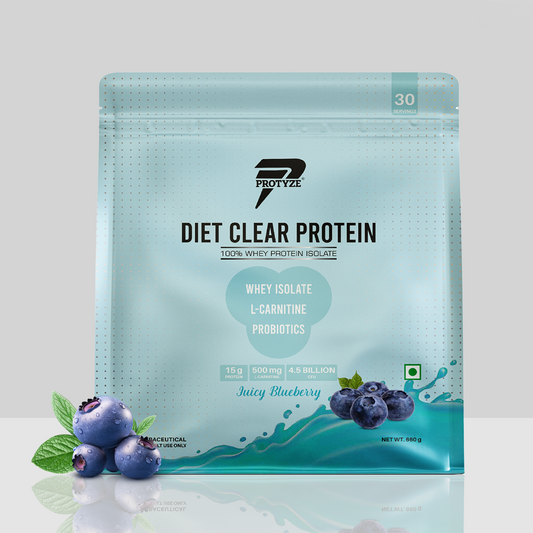
That’s why understanding your calories, along with the right protein intake and smart choices like clean options such as Protyze clear whey protein, is key to seeing real results.
This guide simplifies everything.
You’ll learn:
- How many calories you should eat per day
- How to adjust calories for fat loss, muscle gain, or maintenance
- How to structure your Indian diet for better results
- The most common mistakes to avoid
- How protein plays a crucial role in your progress
If you’ve been putting in effort but not seeing results, this guide will help you fix the foundation.
Why Most Indians Struggle With Calories
Many people assume:
- Eating less automatically leads to fat loss
- Eating more leads to muscle gain
But the reality is more nuanced.
Typical Indian diets include:
- High intake of rice, roti, and refined carbs
- Low intake of protein-rich foods
- Frequent use of oils, ghee, and sugar
- Lack of portion awareness
Because of this:
- People may unknowingly consume excess calories
- Or eat too little and lose muscle instead of fat
Another major issue is underestimating liquid calories:
- Tea with sugar (multiple times a day)
- Packaged juices
- Soft drinks
These small additions can significantly increase daily calorie intake without providing satiety.
Understanding calories is not about restriction. It’s about awareness and balance.
What Are Calories?
Calories are units of energy that your body uses to perform all functions, including:
- Breathing
- Digestion
- Movement
- Exercise
Your body needs a certain number of calories daily just to function — this is called your maintenance level.
Your results depend on how your calorie intake compares to your needs:
- Calorie surplus → weight gain
- Calorie deficit → fat loss
- Calorie balance → maintenance
Step 1: How to Calculate Your Daily Calorie Needs
Your daily calorie requirement depends on:
- Body weight
- Height
- Age
- Gender
- Activity level
Simple Formula for Indians
|
Goal |
Calories Per Day |
|
Fat Loss |
Bodyweight (kg) × 20–22 |
|
Maintenance |
Bodyweight (kg) × 24–26 |
|
Muscle Gain |
Bodyweight (kg) × 28–30 |
Example
For a 70 kg individual:
- Fat loss: 1400–1540 kcal
- Maintenance: 1680–1820 kcal
- Muscle gain: 1960–2100 kcal
These are starting points. Adjust based on:
- Weekly weight changes
- Energy levels
- Performance
Step 2: Understanding Calorie Deficit, Surplus, and Maintenance
Calorie Deficit (Fat Loss)
A calorie deficit means consuming fewer calories than your body burns.
Ideal deficit:
- 300–500 calories per day
Benefits:
- Sustainable fat loss
- Minimal muscle loss (if protein is adequate)
Avoid:
- Extreme deficits (below 1200 kcal for most people)
- Crash diets
Calorie Surplus (Muscle Gain)
A calorie surplus supports muscle growth.
Ideal surplus:
- 200–400 calories per day
Focus:
- Strength training
- Adequate protein
- Recovery
Excessive surplus can lead to fat gain instead of muscle.
Maintenance Calories
Maintenance is useful when:
- You want to stabilize weight
- Improve body composition
- Focus on performance
Step 3: Importance of Macros (Protein, Carbs, Fats)
Calories matter, but macronutrients determine how your body looks and performs.
Protein
Recommended:
- 1.6–2.2g per kg body weight
Benefits:
- Muscle growth
- Fat loss support
- Satiety
Carbohydrates
Role:
- Energy source
- Supports workouts
Focus on:
- Complex carbs (rice, oats, millets)
Fats
Role:
- Hormonal balance
- Nutrient absorption
Sources:
- Nuts
- Seeds
- Ghee (in moderation)
Ideal Macro Split (India)
|
Macronutrient |
Percentage |
|
Protein |
25–30% |
|
Carbs |
40–50% |
|
Fats |
20–30% |
Step 4: Indian Diet Optimization for Calories
Most Indian meals are carb-heavy. To improve results:
Shift Your Plate
Instead of:
- 70% carbs
- 10% protein
Aim for:
- Higher protein
- Controlled carbs
Sample Fat Loss Diet Plan (India)
Breakfast:
- Vegetable omelette + 1 roti
Lunch:
- Dal + 1 roti + sabzi + salad
Snack:
- Fruit + protein drink
Dinner:
- Paneer or chicken + vegetables
Sample Muscle Gain Diet Plan
Breakfast:
- Oats + milk + nuts + protein
Lunch:
- Rice + chicken/paneer + vegetables
Snack:
- Banana + protein shake
Dinner:
- Roti + dal + paneer/chicken
Step 5: Common Calorie Mistakes
- Ignoring protein intake
- Drinking calories
- Overeating “healthy” foods
- Skipping meals
- Not tracking intake
Step 6: Why Protein is Critical
Even with correct calories, low protein leads to:
- Muscle loss
- Poor recovery
- Increased hunger
In Indian diets, protein is often insufficient.
Adding convenient protein sources helps:
- Improve consistency
- Reduce cravings
- Support results
Step 7: Do You Need to Track Calories?
Tracking is helpful but not mandatory.
Best approach:
- Start with tracking
- Move to portion awareness
- Build sustainable habits
Step 8: Weekly Adjustment Strategy
Monitor:
- Body weight (weekly average)
- Strength levels
- Energy
Adjust:
- Reduce calories if no fat loss
- Increase if no muscle gain
Quick Calorie Reference (India)
|
Weight |
Fat Loss |
Maintenance |
Muscle Gain |
|
60 kg |
1200–1320 |
1440–1560 |
1680–1800 |
|
70 kg |
1400–1540 |
1680–1820 |
1960–2100 |
|
80 kg |
1600–1760 |
1920–2080 |
2240–2400 |
FAQs
How many calories should I eat per day in India?
Your daily calorie intake depends on your weight and goal. For fat loss, aim for 20–22 kcal per kg body weight.
How many calories to lose 1 kg per week?
You need a weekly deficit of around 7700 calories, which equals roughly 500–700 calories per day.
Is 1500 calories enough for fat loss?
Yes, for many individuals, 1500 calories can support fat loss, depending on body weight and activity level.
How many calories should a 70 kg person eat?
- Fat loss: 1400–1540 kcal
- Maintenance: 1680–1820 kcal
- Muscle gain: 1960–2100 kcal
Can I lose weight without counting calories?
Yes, by controlling portions, increasing protein intake, and staying active.
What is the minimum calorie intake per day?
Generally:
- Women: 1200 kcal
- Men: 1500 kcal
Lower intake may slow metabolism.
Does protein help in fat loss?
Yes. Protein increases satiety, preserves muscle, and supports metabolism.
How to increase protein in Indian diet?
- Eggs
- Paneer
- Chicken
- Dal + combinations
- Protein supplements
What happens if I eat too few calories?
- Muscle loss
- Low energy
- Slower metabolism
How long does fat loss take?
Healthy fat loss is:
- 0.5 to 1 kg per week
Conclusion
If your results have been inconsistent, your calorie intake is likely the missing piece.
Calories form the foundation of fat loss, muscle gain, and maintenance. Once you understand how much your body needs, everything else — diet, workouts, and recovery — becomes more effective.
You don’t need extreme dieting or complicated strategies. What works is a clear plan, consistency, and enough protein to support your goal.
Start with the calorie ranges in this guide, follow them consistently, and adjust based on real progress.
Because real transformation doesn’t come from guessing.
It comes from understanding your body — and giving it exactly what it needs.