
You see them everywhere—daily multivitamins promising better energy, stronger immunity, glowing skin, and overall wellness.
But the real question is simple:
Do multivitamins actually work—or are they just an expensive habit?
The honest answer is nuanced. Multivitamins can be genuinely helpful for some people and completely unnecessary for others. This blog breaks down when multivitamins work, when they don’t, who truly needs them, and how to use them correctly as part of a healthy lifestyle.
Do Multivitamins Actually Work? (Quick Answer)
Yes, multivitamins work—but only if you have nutritional gaps.
If your diet already provides enough essential nutrients, a multivitamin may add little to no benefit.
Multivitamins are support tools, not magic pills.
What Are Multivitamins, Really?
Multivitamins are supplements that combine multiple vitamins and minerals into one dose to help meet daily nutritional requirements.
They usually contain:
Vitamins
- A, C, D, E, K
- B-complex (B1–B12)
Minerals
- Calcium, magnesium
- Zinc, iron (in some formulas)
- Trace minerals like iodine or selenium
These nutrients support:
- Energy metabolism
- Immune health
- Bone strength
- Muscle function
- Skin, hair, and nail health
The key purpose of a multivitamin is to act as a nutritional safety net, not a replacement for food.
Why Multivitamins Help Some People (But Not Everyone)
Modern lifestyles often create hidden deficiencies:
- Skipped meals
- Low fruit and vegetable intake
- High stress and poor sleep
- Limited sunlight exposure
- Heavy training or long work hours
Even people who “eat fairly well” may fall short on nutrients like vitamin D, B12, magnesium, or iron—and this is where multivitamins can actually work.
Real Benefits of Multivitamins (When You Need Them)
1. Filling Nutritional Gaps
Multivitamins help cover common shortfalls caused by restrictive diets, processed foods, or inconsistent eating habits.
2. Supporting Energy & Focus
B vitamins help convert food into energy. If you’re deficient, fatigue and mental fog are common.
3. Immune System Support
Vitamins C, D, and zinc play a role in immune defense, especially during stress, travel, or seasonal illness.
4. Bone & Muscle Health
Calcium, magnesium, and vitamin D work together to maintain bone density and muscle function, particularly as you age.
5. Skin, Hair & Nail Health
Vitamins A, C, E, and biotin support collagen production, antioxidant protection, and tissue repair.
When Multivitamins Don’t Work (Important to Know)
Multivitamins have limitations.
❌ They can’t replace a healthy diet
Whole foods provide fiber, antioxidants, and bioactive compounds that supplements cannot replicate.
❌ More is not better
Excess intake of vitamins A, D, iron, or zinc can cause side effects.
❌ Absorption varies
Some nutrients compete for absorption or are poorly absorbed in low-quality formulas.
❌ They won’t fix poor lifestyle habits
No supplement can compensate for chronic stress, lack of sleep, or poor diet.
Who Really Needs Multivitamins?
You’re More Likely to Benefit If You Are:
- Vegan or vegetarian (B12, iron, zinc gaps)
- A busy professional with irregular meals
- An older adult with reduced nutrient absorption
- Pregnant or breastfeeding (prenatal-specific needs)
- An athlete or highly active individual
- Diagnosed with nutrient deficiencies
You May Not Need One If You:
- Eat a varied, whole-food diet consistently
- Feel energetic and healthy
- Already use targeted supplements (e.g., vitamin D, omega-3s)
Signs a Multivitamin Might Help You
- Constant fatigue despite good sleep
- Frequent illness or low immunity
- Weak nails, hair thinning, dull skin
- Muscle cramps or weakness
- Low sunlight exposure (vitamin D risk)
The most reliable way to know?
👉 Diet assessment + blood tests + professional advice
How to Choose a Good Multivitamin
If you decide to take one, quality matters.
Look for:
- Third-party tested products
- Near-RDA doses (avoid mega-dosing)
- Bioavailable forms (vitamin D3, methyl B12)
- Minimal artificial colors and fillers
- Formulas tailored to age and gender
A good multivitamin should support your diet—not overload it.
Multivitamins Work Best With the Right Lifestyle
Multivitamins are most effective when paired with:
Whole-Food Nutrition
Fruits, vegetables, lean proteins, healthy fats, and whole grains provide the foundation.
Protein & Digestive Support
Adequate protein helps your body actually use vitamins and minerals efficiently.
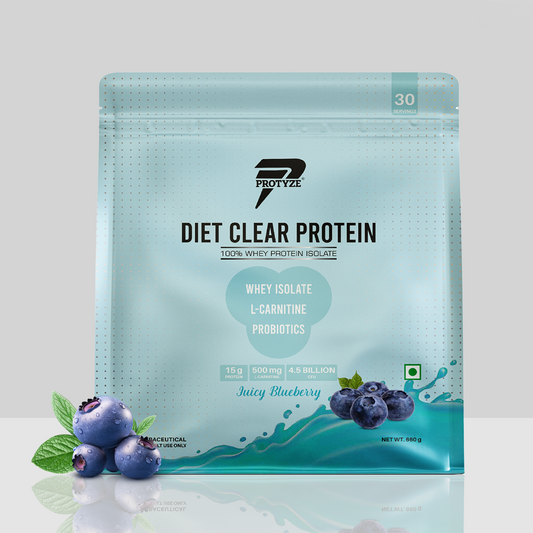
Pairing multivitamins with light, easy-to-digest protein options like Protyze Diet Clear Whey Protein—a low-calorie, probiotic-enhanced protein—can support digestion, muscle recovery, and daily nutrition without heaviness.
Movement, Hydration & Sleep
- Strength training 3–5× per week
- Regular walking or cardio
- 2–3 L water daily
- 7–9 hours of sleep
Supplements amplify good habits—they don’t replace them.
Common Multivitamin Mistakes to Avoid
- Taking them instead of improving diet
- Doubling doses for “faster results”
- Ignoring interactions with medications
- Expecting instant energy or immunity boosts
Consistency matters more than shortcuts.
Final Verdict
Multivitamins do work—but only for the right people.
They’re helpful if you:
- Have real dietary gaps
- Live a high-stress or highly active lifestyle
- Have increased nutrient needs
They’re unnecessary if:
- Your diet is balanced
- You feel healthy and energetic
- You already supplement strategically
The smartest approach isn’t “take everything.”
It’s take what your body actually needs.
TL;DR
- Multivitamins aren’t essential for everyone
- Best for dietary gaps, stress, aging, or high activity
- Not a substitute for whole foods
- Choose quality, not mega-doses
- Pair with protein, movement, hydration, and sleep
Supplements should support your lifestyle—not compensate for it.
FAQ'S
1. Do multivitamins actually work for everyone?
Multivitamins work for people with nutritional gaps, but they may offer little benefit to those already eating a balanced diet. Pairing them with smart nutrition choices like Protyze Diet Clear Whey Protein can help support overall daily nutrition.
2. Who really needs to take multivitamins?
People with busy lifestyles, dietary restrictions, high stress, or increased activity levels benefit the most. Multivitamins work best when combined with adequate protein intake, such as from Protyze Diet Clear Whey Protein.
3. Can multivitamins replace a healthy diet?
No. Multivitamins cannot replace whole foods. They are meant to support, not substitute, a balanced diet that includes protein sources like Protyze Diet Clear Whey Protein.
4. Are multivitamins safe to take every day?
Yes, when taken at recommended doses. Daily multivitamin use alongside light, digestible nutrition options like Protyze Diet Clear Whey Protein is generally safe for healthy individuals.
5. Do multivitamins improve energy levels?
Multivitamins can improve energy if fatigue is caused by deficiencies in B vitamins, iron, or vitamin D. Combining them with proper protein intake from Protyze Diet Clear Whey Protein helps support sustained energy.
6. Do multivitamins help with immunity?
Yes, vitamins like C, D, and zinc support immune health. Their effectiveness improves when overall nutrition is balanced with protein and probiotics, such as those found in Protyze Diet Clear Whey Protein.
7. Are multivitamins necessary if I work out regularly?
Active individuals may benefit from multivitamins due to higher nutrient demands. Supporting recovery with protein sources like Protyze Diet Clear Whey Protein helps maximize their benefits.
8. Can multivitamins improve skin, hair, and nails?
They can help if deficiencies exist. Nutrients like biotin, vitamins A, C, and E work best when overall nutrition, including protein intake from Protyze Diet Clear Whey Protein, is adequate.