
Most people calculate BMI to lose weight — but very few know how to use BMI to build lean muscle without gaining fat. If your workouts aren’t delivering visible results, your BMI-based protein intake might be the missing link.
Why BMI Matters More Than You Think for Muscle Growth
If you’ve ever Googled “how to build lean muscle”, chances are you’ve been told to lift heavy, eat more protein, and stay consistent. While that advice is correct, it misses a critical personalization factor — your BMI.
BMI (Body Mass Index) isn’t just a number used by doctors or weight-loss charts. When used correctly, BMI helps you:
-
Understand your body’s starting point
-
Set realistic muscle-building goals
-
Avoid unwanted fat gain while bulking
In 2026, fitness is no longer about blindly following gym trends. It’s about data-driven nutrition, and BMI is the simplest place to start.
This guide breaks down:
-
What BMI really means for fitness
-
How BMI affects lean muscle growth
-
How to calculate protein intake based on BMI
-
Why protein quality matters more than quantity
-
How clear whey protein fits perfectly into modern lean-muscle goals
What Is BMI and How Is It Calculated?
BMI stands for Body Mass Index. It is a simple formula used to estimate whether your body weight is appropriate for your height.
BMI Formula:
BMI = Weight (kg) ÷ Height² (m²)
Example:
-
Weight: 75 kg
-
Height: 1.75 m
-
BMI = 75 ÷ (1.75 × 1.75) = 24.5
BMI Categories Explained (Fitness Perspective)
| BMI Range | Category | Fitness Interpretation |
|---|---|---|
| Below 18.5 | Underweight | Needs muscle mass & calories |
| 18.5 – 24.9 | Normal | Ideal for lean muscle building |
| 25 – 29.9 | Overweight | Fat loss + muscle retention |
| 30+ | Obese | Fat loss with high protein focus |
👉 Important: BMI does not differentiate between muscle and fat. That’s why athletes may fall into the “overweight” category despite being lean.
Still, BMI is extremely useful when paired with protein planning.
Why BMI Still Matters for Building Lean Muscle
Many fitness influencers dismiss BMI as outdated. That’s only partially true.
BMI becomes powerful when used as:
-
A nutritional baseline
-
A protein-intake guide
-
A calorie control checkpoint
BMI helps answer:
-
Should I eat in a surplus or deficit?
-
How aggressive should my protein intake be?
-
Am I likely to gain fat if I eat more?
When muscle building goes wrong, it’s rarely the training — it’s misaligned nutrition.
BMI vs Body Fat Percentage: What’s the Difference?
| Metric | Measures | Limitation |
|---|---|---|
| BMI | Height & weight | Doesn’t show muscle vs fat |
| Body Fat % | Fat mass | Harder to measure accurately |
Best approach:
Use BMI to set protein intake + track strength, measurements, and visual changes.
Lean Muscle Growth Explained (Simple Terms)
Lean muscle growth means:
-
Increasing muscle mass
-
Without excessive fat gain
-
While staying metabolically healthy
To achieve this, you need:
-
Progressive overload training
-
Adequate recovery
-
Correct protein intake based on body type
This is where BMI plays a crucial role.
How Much Protein Do You Need Based on BMI?
Protein requirements change depending on body composition, not just weight.
Protein Intake Guide by BMI:
🔹 Underweight (BMI < 18.5)
Goal: Muscle gain + healthy weight
Protein: 2.0–2.5 g per kg bodyweight
Why?
-
Faster muscle synthesis
-
Prevents muscle breakdown
-
Supports healthy mass gain
🔹 Normal BMI (18.5–24.9)
Goal: Lean muscle building
Protein: 1.6–2.0 g per kg
This is the ideal range for recomposition — gaining muscle while staying lean.
🔹 Overweight (25–29.9)
Goal: Fat loss + muscle retention
Protein: 2.0–2.2 g per kg
Higher protein:
-
Preserves lean mass
-
Improves satiety
-
Boosts metabolic rate
🔹 Obese (30+)
Goal: Fat loss without muscle loss
Protein: 2.2 g per kg (lean body mass)
Protein becomes critical here to avoid muscle loss during calorie deficit.
Why Protein Quality Matters More Than Protein Quantity
Consuming enough protein is only half the battle.
Low-quality protein can:
-
Cause bloating
-
Increase calories unnecessarily
-
Slow digestion
-
Reduce adherence
Ideal Protein for Lean Muscle Should Be:
✔ Fast-digesting
✔ Low in fat & sugar
✔ Easy on the stomach
✔ High in bioavailability
This is where whey protein isolate and clear whey protein outperform traditional options.
Whey Protein vs Clear Whey Protein for BMI-Based Nutrition
Traditional Whey Protein:
-
Creamy, milk-based
-
Heavier digestion
-
Often higher calories
Clear Whey Protein:
-
Water-based
-
Juice-like texture
-
Faster absorption
-
Lower calories
For people managing BMI — especially those in fat-loss or lean-gain phases — clear whey protein is the smarter choice.
Why Clear Whey Protein Works Across All BMI Ranges
Clear whey protein isolate is:
-
Low calorie
-
High protein
-
Zero heaviness
-
Perfect for Indian digestion
Benefits:
-
Helps hit protein targets without excess calories
-
Supports lean muscle without bloating
-
Ideal for morning, post-workout, or between meals
This makes it suitable for:
-
Underweight muscle builders
-
Lean fitness enthusiasts
-
Overweight individuals in fat loss
How to Use BMI + Protein to Build Lean Muscle (Step-By-Step)
Step 1: Calculate Your BMI
Use height and weight — recheck every 8–12 weeks.
Step 2: Set Protein Target
Based on BMI category (as discussed above).
Step 3: Choose Lean Protein Sources
-
Whey isolate / clear whey protein
-
Eggs, fish, paneer (portion-controlled)
Step 4: Time Your Protein
-
Post-workout and intra workout
-
Morning
-
Between meals or with meals
Step 5: Track Progress Beyond Weight
-
Strength
-
Waist measurement
-
Energy levels
-
Visual changes
Common Mistakes People Make When Using BMI for Fitness
❌ Eating too much protein without calorie control
❌ Ignoring digestion & protein quality
❌ Bulking aggressively with high BMI
❌ Relying only on body weight changes
BMI is a guide, not a rulebook.
FAQs:
1. Is BMI accurate for gym-goers?
BMI doesn’t measure muscle mass, but it’s still useful for planning protein intake and calories.
2. Can high protein improve BMI?
Yes. High-protein diets support fat loss while preserving muscle, helping improve BMI over time.
3. How much protein should I take if my BMI is high?
Aim for 2.0–2.2 g per kg to prevent muscle loss during fat loss.
4. Is whey protein good for fat loss?
Yes, especially whey isolate and clear whey due to low calories and fast digestion.
5. What is the best protein for lean muscle without fat gain?
Clear whey protein isolate is one of the best options for lean muscle building.
TL;DR – BMI, Protein & Lean Muscle
-
BMI helps personalize nutrition
-
Protein needs change based on BMI
-
Higher BMI = higher protein requirement
-
Protein quality matters more than quantity
-
Clear whey protein supports lean muscle without fat gain
Conclusion: Build Lean Muscle Smarter — Not Heavier
BMI isn’t about labeling your body. It’s about understanding what your body needs to grow efficiently.
When paired with the right protein strategy, BMI becomes a powerful tool to:
-
Build lean muscle
-
Lose fat sustainably
-
Improve performance
-
Avoid digestive discomfort
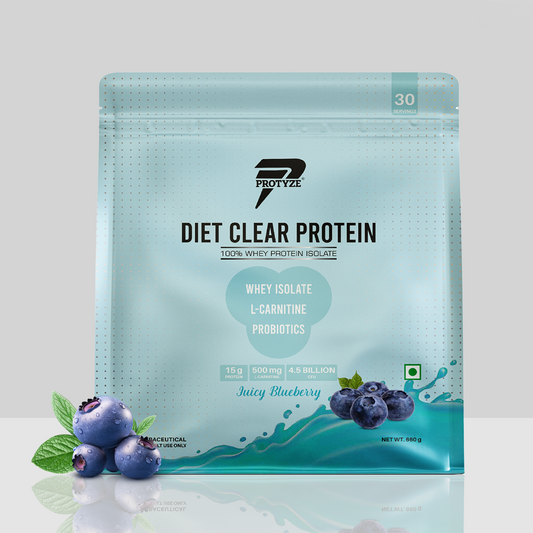
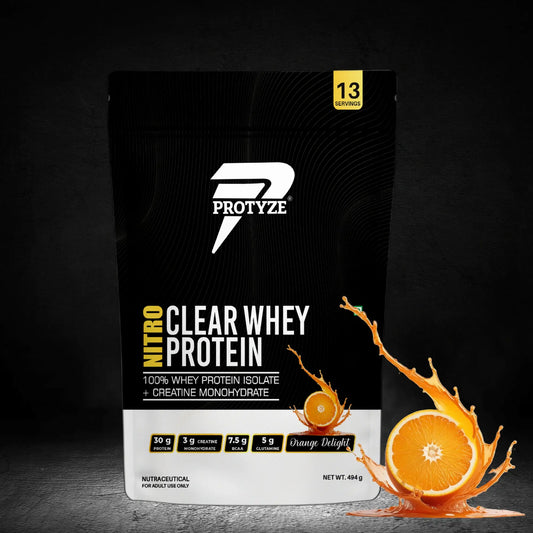
For those looking to hit their daily protein targets without extra calories, bloating, or heaviness, Protyze Clear Whey Protein offers a light, fast-absorbing, and refreshing solution — perfectly suited for every BMI range and modern fitness goals in India.
In 2026, smart fitness isn’t about eating more — it’s about eating right.