
That chest pump after a heavy workout feels rewarding—but it’s temporary. The tightness and fullness you see in the mirror come from increased blood flow and muscle swelling, not actual muscle growth. Real chest development happens later, when your body repairs the muscle fibers you stressed during training.
This is where protein—especially fast-absorbing whey protein—matters most. Whey supplies essential amino acids during and after workouts, helping trigger muscle protein synthesis, reduce breakdown, and support real chest growth. The pump fades in hours, but consistent protein intake is what builds a bigger, stronger chest over time.
What Is a Chest Pump, Really?
A chest pump is a temporary effect. During training, especially with higher reps and shorter rest periods, blood rushes into the chest muscles. Along with blood, water and nutrients enter the muscle tissue, causing it to look fuller and feel tight. This effect:
- Happens quickly during training
- Feels intense and motivating
- Fades within a few hours
A pump does not mean new muscle tissue is being built. It’s a short-term response, not a long-term change.
What Is Chest Growth (Hypertrophy)?
Chest growth, or hypertrophy, is a slow biological process. It happens when muscle fibers that were stressed during training are repaired and rebuilt stronger over time. This process depends on:
- Progressive overload in training
- Adequate recovery between sessions
- Proper nutrition, especially protein
Chest growth does not happen in the gym. It happens laterwhile you’re resting, eating, and sleeping.
Chest Pump vs Chest Growth: The Real Difference
The biggest difference between a pump and growth is timing. A pump happens immediately during or right after your workout. Chest growth happens hours and days later, once your body starts repairing muscle damage.
The pump is a signal that muscles were stressed. Growth is the result of how well that stress is managed afterward. This is why you can have great pumps for weeks and still see little change in chest size if recovery and nutrition are not supporting growth.
Where Protein Actually Fits In
Protein does not cause the pump. The pump comes from blood flow and muscular tension. Protein’s role starts once the workout ends. During chest workouts, pressing and fly movements create tiny micro-tears in muscle fibers. This is normal and necessary for growth. Protein provides amino acids, which are the raw materials your body uses to repair these damaged fibers. Without enough protein:
- Muscle repair slows down
- Muscle breakdown can continue longer
- Growth becomes inefficient
With consistent protein intake, the body can repair chest muscles properly and gradually build more muscle tissue over time.
Why Chasing Only the Pump Can Stall Chest Growth
Many people structure chest workouts only to maximize the pumpvery high reps, light weights, and minimal rest. While this creates an intense feeling, it doesn’t always provide enough stimulus for long-term growth.
When this approach is combined with inconsistent protein intake, the problem becomes bigger. The muscles are stressed repeatedly but never fully repaired. Over time, this leads to stalled progress, longer soreness, and frustration. The pump feels productive, but growth requires recovery support.
Protein and Chest Recovery Go Hand in Hand
After a chest workout, your body shifts into recovery mode. Protein helps this process by supporting muscle repair and reducing excessive breakdown. It also improves how well your chest muscles recover before the next training session. Better recovery allows you to:
- Train chest with better strength
- Maintain proper form
- Progress in weight or volume over time
This gradual progression is what drives real chest development.
Why Digestion Comfort Matters for Consistent Protein Intake
One reason people struggle to consume protein regularly is digestion. Heavy, thick shakes after chest workouts can feel uncomfortable, especially when training intensity is high. When protein feels heavy, people often delay it or skip it entirely. Over time, this inconsistency affects recovery and growth.
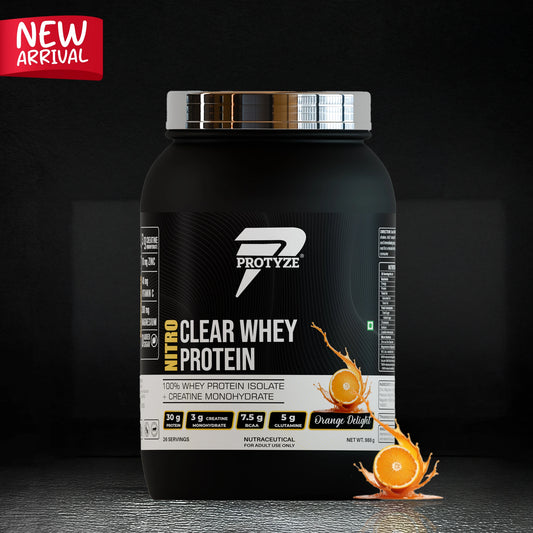
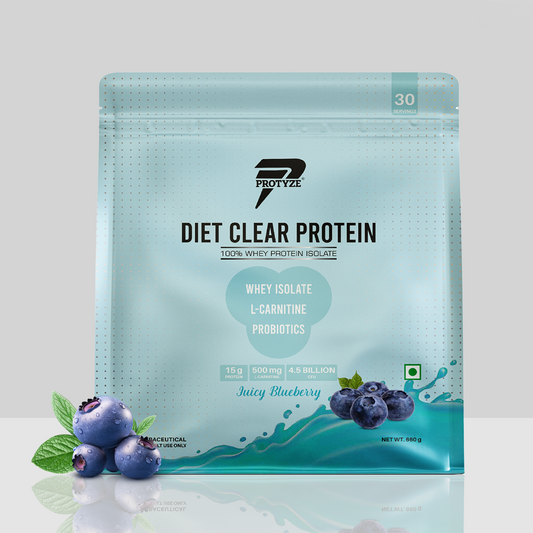
Lighter, water-based protein formats make daily intake easier. Clear whey protein, for example, feels more like a refreshing drink than a thick shake, making it easier to consume after training without discomfort. Clear whey protein options like those from Protyze are designed to support recovery in a lighter, fast-absorbing format, which helps people stay consistent without digestive heaviness.
Best Way to Use Protein for Chest Growth
Protein timing doesn’t need to be complicated. What matters is regular intake throughout the day, with special attention after training.
Supporting recovery soon after workouts and meeting daily protein needs consistently is far more important than chasing exact timing windows. For most people training chest regularly, a steady daily protein intake that matches training intensity works best.
Common Misunderstandings About Pump and Protein
A common belief is that a bigger pump automatically means better growth. In reality, the pump is only a short-term sensation. Another misconception is that protein creates the pump, when in fact protein supports recovery, not the pump itself. Understanding this distinction helps shift focus from how muscles feel during workouts to how well they recover afterward.
Conclusion
A chest pump feels great, but it’s temporary. Real chest growth happens when muscle fibers repair and rebuild over time and protein plays a central role in that process. Protein doesn’t make your chest look bigger in the gym. It helps make your chest actually bigger over weeks and months by supporting recovery, reducing muscle breakdown, and allowing consistent progress in training.
If your goal is lasting chest development rather than a short-lived pump, the focus should move beyond the mirror and toward proper recovery and consistent protein intake.