
Knowing how many calories are in your everyday foods can make it easier to manage weight, build muscle, and plan a balanced diet. Calories come from carbohydrates, proteins, and fats, but the nutritional quality of those calories also matters. A banana, a bowl of rice, and a serving of nuts may provide different calories and nutrients, so understanding portion sizes is important.
Quick Answer :
High-calorie foods can help increase daily energy intake, especially when trying to gain weight or build muscle.
Foods such as nuts, peanut butter, paneer, rice, oats, whole milk, eggs, and dried fruits are calorie-dense options. Whey protein powder can also help increase protein intake alongside a calorie-rich, balanced diet.
What Are Calories?
Calories represent the energy your body gets from food and drinks. Your daily calorie requirement depends on your age, body weight, height, activity level, and fitness goal.
If you consistently consume more calories than your body uses, you may gain weight. If you consume fewer calories than your body needs, you may lose weight over time.
Daily Food Calorie Chart: The Breakdown
Below is a detailed calorie chart covering common foods across categories. Portions are standardized for easy comparison (e.g., 100g for most solids, 1 medium for fruits/vegetables). Calories are approximate, based on USDA data and nutrition databases.
1. Fruits
Fruits are packed with vitamins, fiber, and natural sugars for quick energy. They’re great pre-workout or as snacks.
- Apple (1 medium, ~182g): 95 kcal
- Banana (1 medium, ~120g): 90 kcal
- Orange (1 medium, ~131g): 62 kcal
- Strawberries (100g): 32 kcal
- Blueberries (100g): 57 kcal
- Mango (100g): 60 kcal
- Avocado (100g): 160 kcal (higher due to healthy fats)
- Grapes (100g): 69 kcal
- Watermelon (100g): 30 kcal
-
Pineapple (100g): 50 kcal
2. Vegetables
Low in calories, high in nutrients—vegetables are diet MVPs for volume and satiety.
- Broccoli (100g, cooked): 35 kcal
- Spinach (100g, raw): 23 kcal
- Carrot (1 medium, ~61g): 25 kcal
- Sweet Potato (1 medium, ~130g): 86 kcal
- Kale (100g, raw): 49 kcal
- Zucchini (100g, cooked): 17 kcal
- Bell Pepper (1 medium, ~119g): 24 kcal
- Cauliflower (100g, cooked): 25 kcal
- Green Beans (100g, cooked): 35 kcal
-
Tomato (1 medium, ~123g): 22 kcal
Tip: Roast or steam veggies to retain nutrients without adding calorie-heavy oils.
3. Grains and Starches
Grains fuel workouts but vary widely in calories. Opt for whole grains for fiber and sustained energy.
- White Rice (100g, cooked): 130 kcal
- Brown Rice (100g, cooked): 112 kcal
- Quinoa (100g, cooked): 120 kcal
- Oats (100g, dry): 389 kcal (½ cup cooked: ~150 kcal)
- Whole Wheat Bread (1 slice, ~28g): 80 kcal
- Pasta (100g, cooked): 131 kcal
- Potato (1 medium, ~173g, baked): 161 kcal
- Corn (100g, cooked): 96 kcal
- Barley (100g, cooked): 123 kcal
-
Couscous (100g, cooked): 112 kcal
Tip: Measure cooked portions—grains expand and seem denser than they are.
Proteins (Meats, Fish, Eggs, Plant-Based)
Protein is crucial for muscle repair and satiety. Lean options keep calories in check.
- Chicken Breast (100g, cooked, skinless): 165 kcal
- Salmon (100g, cooked): 206 kcal
- Tuna (100g, canned in water): 86 kcal
- Egg (1 large, ~50g): 68 kcal
- Tofu (100g, firm): 144 kcal
- Lentils (100g, cooked): 116 kcal
- Chickpeas (100g, cooked): 164 kcal
-
Greek Yogurt (100g, plain, nonfat): 59 kcal
Tip: Grill or bake proteins to avoid extra calories from frying.
Dairy and Alternatives
Dairy offers protein and calcium but watch for fat content in cheeses and full-fat options.
- Cheddar Cheese (100g): 403 kcal (1 oz: ~114 kcal)
- Mozzarella (100g, part-skim): 254 kcal
- Milk (1 cup, 2%): 122 kcal
- Almond Milk (1 cup, unsweetened): 30 kcal
- Cottage Cheese (100g, low-fat): 84 kcal
- Butter (1 tbsp, ~14g): 102 kcal
- Cream Cheese (1 tbsp, ~15g): 51 kcal
- Parmesan (100g, grated): 431 kcal (1 tbsp: ~22 kcal)
- Soy Milk (1 cup, unsweetened): 80 kcal
-
Yogurt (100g, plain, full-fat): 61 kcal
Tip: Choose unsweetened plant-based milks for lower calories and versatility.
Nuts and Seeds
Nutrient-dense but calorie-heavy, nuts and seeds are best in moderation.
- Almonds (100g): 579 kcal (1 oz: ~164 kcal)
- Peanuts (100g): 567 kcal (1 oz: ~161 kcal)
- Walnuts (100g): 654 kcal (1 oz: ~185 kcal)
- Chia Seeds (1 tbsp, ~12g): 58 kcal
- Flaxseeds (1 tbsp, ~10g): 55 kcal
- Sunflower Seeds (100g): 584 kcal (1 oz: ~165 kcal)
- Cashews (100g): 553 kcal (1 oz: ~157 kcal)
- Pumpkin Seeds (100g): 559 kcal (1 oz: ~158 kcal)
- Pistachios (100g): 562 kcal (1 oz: ~159 kcal)
-
Peanut Butter (1 tbsp, ~16g): 94 kcal
Tip: Stick to a small handful (1 oz) to control calories while getting healthy fats.
Calories From Fruits
Fruits are an important part of a balanced diet because they provide carbohydrates, fibre, vitamins, minerals, and other beneficial plant compounds. Their calorie content varies depending on the fruit and serving size.
Watermelon and oranges are relatively low in calories, while bananas, mangoes, and grapes provide more energy. Higher-calorie fruits are not unhealthy; the key is consuming appropriate portions according to your overall calorie requirements.
Calories From Protein-Rich Foods
Protein is important for muscle maintenance, recovery, and growth. Eggs, chicken, fish, dairy, paneer, lentils, beans, and other protein-rich foods can contribute to your daily protein intake.
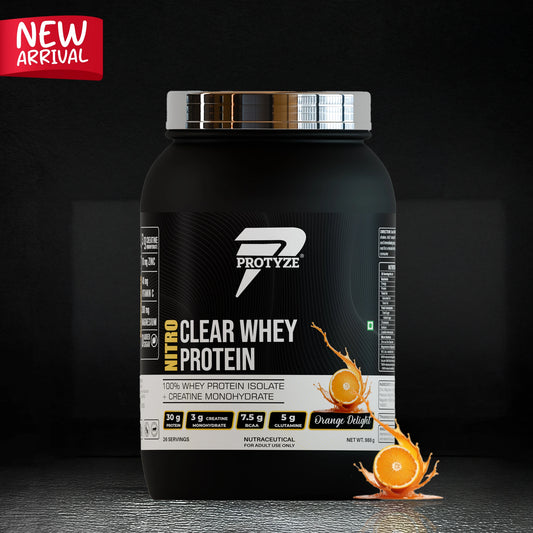
For people who exercise regularly, getting enough protein can sometimes be challenging through food alone. This is where a whey protein powder can provide a convenient way to increase protein intake.
How Many Calories Does Whey Protein Provide?
The calorie content of whey varies between products. A typical serving may provide around 100–150 calories, but some products can contain considerably more.
When choosing a protein supplement, don't look at calories alone. Check:
- Protein per serving
- Total calories
- Carbohydrates
- Fat
- Added sugar
- Serving size
- Ingredients
The best protein powder in India for you should fit your individual nutritional requirements rather than simply being the product with the highest protein content.
Who Should Use Whey Protein?
Whey protein can be useful for people who:
- Struggle to meet daily protein requirements
- Exercise regularly
- Follow strength-training programs
- Want a convenient post-workout protein source
- Need additional protein between meals
The best whey protein supplement should complement your normal diet rather than replace nutritious whole foods.
Calories for Weight Loss
If your goal is weight loss, your overall calorie intake matters. Choose nutrient-dense foods that provide protein, fibre, vitamins, and minerals without excessive calories.
Vegetables, fruits, lean protein sources, whole grains, and appropriate portions of healthy fats can form the foundation of a weight-loss diet.
A protein-rich diet can also support muscle maintenance when combined with resistance training.
Calories for Muscle Gain
Building muscle requires more than simply eating more calories. Resistance training, adequate protein, sufficient calories, and recovery all work together.
Include foods such as rice, oats, potatoes, eggs, dairy, legumes, nuts, and other protein-rich foods. If you cannot meet your protein target through meals, whey protein powder can help fill the nutritional gap.
Side Effects of Excessive Calorie Intake
Regularly consuming significantly more calories than your body needs can contribute to unwanted weight gain. Frequently choosing calorie-dense foods with high amounts of added sugar, saturated fat, or refined carbohydrates may also make it harder to maintain a balanced diet.
Rather than eliminating specific foods, focus on portion control and overall dietary quality.
Best Time to Track Calories
There is no specific time of day when calories need to be counted. Tracking your food throughout the day can give you a better understanding of your total intake.
For packaged foods, always check the nutrition label because calorie values can differ significantly between brands and serving sizes.
FAQs
How many calories should I eat daily?
Your calorie requirement depends on your body size, age, sex, activity level, and goal. Weight loss and muscle gain require different calorie strategies.
Is whey protein high in calories?
Most whey products provide a moderate number of calories per serving, but the exact amount varies by product. Check the nutrition label before purchasing.
Can whey protein help with muscle gain?
Yes. Whey provides high-quality protein that can help you meet your daily protein requirements when combined with resistance training and adequate nutrition.
Can I take whey protein while losing weight?
Yes. Whey can be included in a weight-loss diet if its calories fit within your overall daily intake.
How many calories are in common Indian fruits per 100g?
Common Indian fruits vary in calories. For example, 100g of apple has about 52 calories, banana about 89, mango about 60, and papaya about 43 calories. Values can vary by variety and ripeness.
What is the calorie count for popular chicken and mutton cuts served in India?
Chicken is generally lower in calories than mutton, especially when skinless and cooked without excess oil. Calories also vary depending on the cut and cooking method.
What is the nutritional breakdown of typical Indian vegetables?
Most vegetables are relatively low in calories and provide fiber, vitamins, minerals, and antioxidants. Vegetables such as spinach, cucumber, tomato, carrot, and cauliflower can be useful additions to a balanced diet.
Where can I find calorie information on packaged snacks and ready meals?
Check the nutrition information panel on the package. Look for calories or energy per serving and per 100g, along with protein, carbohydrates, fat, sugar, and serving size.
What is the average calorie content of popular dishes from national restaurant chains?
Calories can vary significantly depending on portion size, ingredients, sauces, oil, and preparation methods. For the most accurate information, check the restaurant's official nutrition information where available.
Conclusion
Understanding the calories in everyday foods can help you make better dietary decisions. Focus not only on calories but also on protein, fiber, carbohydrates, healthy fats, vitamins, and minerals. Whether your goal is weight loss or muscle gain, build your diet around nutritious whole foods and use whey protein powder when you need a convenient way to increase protein intake.