
When it comes to fat loss, two diets dominate almost every conversation: low fat diets and low carb diets. Some people swear by cutting fats completely, while others avoid carbs at all costs. Both approaches promise fat loss, but they work in very different ways.
So, the real question is: Which diet is better for fat loss low fat or low carb?
As a nutritionist would explain, the answer isn’t about choosing sides. It’s about understanding how each diet works, who it suits best, and how protein fits into both approaches. Let’s break this down clearly, without hype or confusion.
Understanding Fat Loss (Before Choosing a Diet)
Fat loss happens when your body uses more energy than it consumes over time. This energy gap is known as a calorie deficit. Both low fat and low carb diets can create this deficit, but they do it differently. What matters most is not the label of the diet, but whether it:
- Helps you stay consistent
- Supports muscle retention
- Controls hunger
- Fits your lifestyle
This is where most people go wrong, they choose a diet that sounds good but is hard to follow.
What Is a Low Fat Diet?
A low fat diet focuses on reducing dietary fat intake while allowing carbohydrates and protein. In this approach:
- Fats are limited
- Carbohydrates (like rice, fruits, grains) are emphasized
- Meals are often lower in calories per serving
Low fat diets became popular because fat contains more calories per gram compared to carbs or protein.
How Low Fat Diets Support Fat Loss
Low fat diets work mainly by lowering overall calorie intake. Since fats are calorie-dense, reducing them can make meals feel larger without adding too many calories. Low fat diets may work well for people who:
- Prefer carb-rich meals
- Enjoy fruits, grains, and vegetables
- Feel satisfied with volume-based eating
However, when fats are reduced too much, meals may feel less satisfying, which can increase hunger if protein intake is also low.
What Is a Low Carb Diet?
A low carb diet focuses on reducing carbohydrate intake while allowing fats and protein. In this approach:
- Carbs like rice, bread, sugar, and sweets are limited
- Fats and protein become the main energy sources
- Blood sugar fluctuations are often reduced
Low carb diets are popular because they can reduce appetite quickly for many people.
How Low Carb Diets Support Fat Loss
Low carb diets often lead to fat loss by:
- Reducing insulin spikes
- Improving appetite control
- Encouraging the body to use fat for energy
They may suit people who:
- Struggle with sugar cravings
- Feel hungry on high-carb diets
- Prefer richer, higher-fat meals
However, very low carb diets can feel restrictive and may affect training performance if not planned properly.
Low Fat vs Low Carb: Key Differences Explained Simply
Instead of focusing on which is “better,” it helps to understand how they differ.
- Low fat diets allow more carbs but restrict fats
- Low carb diets allow more fats but restrict carbs
- Both can create fat loss if calories are controlled
- Both fail if protein intake is ignored
Protein is the common factor that determines success in both diets.
Where Protein Fits in Both Diets (Most Important Part)
No matter which diet you choose, protein is non-negotiable for fat loss. Protein helps:
- Preserve lean muscle during calorie deficit
- Control hunger and cravings
- Support metabolism
- Improve body composition
Many people fail on low fat or low carb diets because protein intake drops too low. This leads to muscle loss, fatigue, and poor results even if weight drops temporarily.
Low Fat vs Low Carb for Muscle Retention
When calories are low, the body may break down muscle for energy. Adequate protein helps prevent this.
- Low fat diets often risk low protein if meals become carb-heavy
- Low carb diets may do better with protein but can still fall short
In both cases, protein intake needs to be intentional not accidental.
Which Diet Is Better for Women?
For women, sustainability matters more than extremes. Low fat diets may suit women who:
- Enjoy traditional Indian meals
- Feel good eating fruits and grains
- Prefer lighter foods
Low carb diets may suit women who:
- Struggle with cravings
- Feel bloated on high-carb meals
- Prefer fewer meals with higher satiety
In both cases, protein intake must remain consistent to support fat loss without muscle loss.
The Role of Protein Supplements in Fat Loss Diets
Whole foods should always form the base of nutrition. However, during fat loss phases, appetite is often low and meals become smaller. This is where protein supplements can help bridge the gap. Light, easy-to-digest protein options work best, especially when calories are controlled.
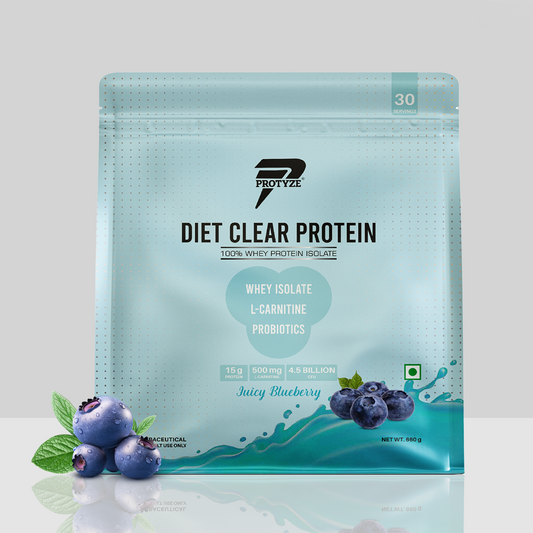
Clear whey protein is a good example it mixes with water, feels refreshing, and doesn’t add unnecessary fats or carbs. Clear whey protein options like those from Protyze fit well into both low fat and low carb diets by helping meet protein needs without adding heaviness or excess calories.
Common Mistakes People Make on Both Diets
Many people struggle because they:
- Cut fats or carbs too aggressively
- Ignore protein intake
- Choose diets they can’t maintain
- Focus only on weight, not body composition
Fat loss is not about extremes it’s about balance and consistency.
Which Diet Should You Choose? (Simple Guide)
Instead of asking “low fat or low carb,” ask:
- Which diet can I follow consistently?
- Which helps control my hunger better?
- Can I maintain adequate protein intake?
If you can stick to it, recover well, and feel energized, it’s the right choice for you.
Frequently Asked Questions (FAQs)
Q1: Is low carb better than low fat for fat loss?
Neither is inherently better. Both work if calories and protein are managed properly.
Q2: Can I lose fat without cutting carbs or fats completely?
Yes. Moderate reductions are often more sustainable.
Q3: Is protein more important than carbs or fats for fat loss?
Yes. Protein is critical for muscle retention and appetite control.
Q4: Do women need different diets than men?
Not fundamentally, but women often benefit from more balanced, sustainable approaches.
Q5: Can clear whey protein help during fat loss?
Yes. It provides protein without adding excess calories, fats, or heaviness.
Conclusion
Low fat and low carb diets are simply tools not magic solutions. Both can support fat loss when done correctly, and both can fail when protein and consistency are ignored. From a nutritionist’s perspective, the best diet is one you can follow long-term while maintaining adequate protein intake, good energy levels, and healthy recovery. Fat loss isn’t about choosing sides. It’s about choosing what fits your body, your routine, and your lifestyle and sticking with it consistently.