
Fat loss for women is not simply about making the number on the weighing scale smaller. If your goal is to lose body fat while maintaining a strong, toned physique, preserving muscle should be an important part of your approach.
Extreme calorie restriction and excessive cardio may lead to quick weight loss, but they can also make it harder to maintain lean muscle. A better strategy combines a moderate calorie deficit, sufficient protein, strength training, proper recovery, and consistent daily habits.
Quick Answer
Women can burn fat without losing muscle by combining a moderate calorie deficit with sufficient protein and regular strength training. Prioritize balanced meals, resistance exercises, adequate hydration, quality sleep, and proper recovery. Avoid extreme dieting and excessive cardio, and focus on gradual, sustainable progress for better long-term body composition
Can Women Lose Fat Without Losing Muscle?
Yes. Women can reduce body fat while maintaining much of their lean muscle by following a well-planned nutrition and exercise routine.
The key is to avoid an overly aggressive calorie deficit. Your body needs sufficient energy and nutrients to support training, recovery, and normal functions.
Focus on these fundamentals:
- Eat enough protein throughout the day.
- Create a moderate calorie deficit.
- Perform strength training regularly.
- Include nutrient-dense foods.
- Stay physically active.
- Get enough sleep.
- Give your muscles time to recover.
The goal is not simply to weigh less. It is to improve your body composition by gradually reducing fat while preserving lean tissue.
Why Protein Matters During Fat Loss
Protein plays an important role when you're trying to lose fat without sacrificing muscle. It provides amino acids that your body uses to maintain and repair muscle tissue.
A protein-rich diet can also help you feel fuller between meals, making it easier to maintain a calorie deficit.
Good protein sources include eggs, chicken, fish, paneer, tofu, Greek yogurt, lentils, beans, and dairy products. Protein powders can also be useful when getting enough protein from regular meals is difficult.
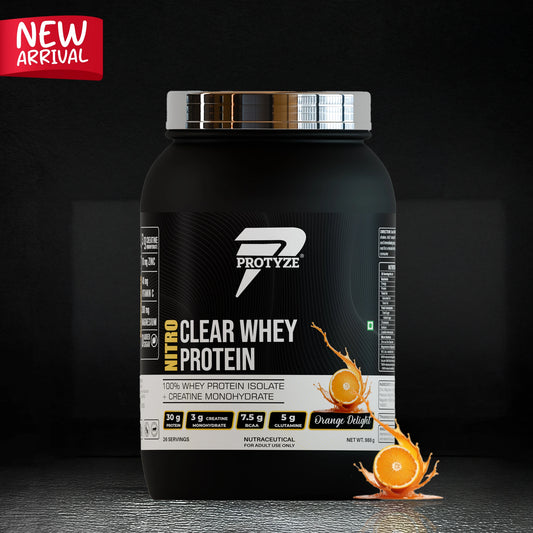
For example, whey protein for fat loss can be included as part of a balanced diet when you need a convenient source of high-quality protein.
Whey Protein for Weight Loss: Does It Help?
Whey protein for weight loss can support your diet, but it is not a fat-burning supplement.
Whey protein can make it easier to reach your daily protein target while controlling your overall calorie intake. You can have a protein shake after a workout, alongside breakfast, or as a convenient snack.
However, the most important factor is your total daily calorie intake. Adding whey protein on top of an already high-calorie diet will not automatically result in fat loss.
Choose a whey protein that fits your nutritional needs and check the label for calories, protein, carbohydrates, fats, and added sugars.
Strength Training Is Essential for Muscle Preservation
If you want to burn fat without losing muscle, resistance training should be a major part of your fitness routine.
Strength training gives your body a reason to maintain muscle even when you're eating fewer calories.
Women can benefit from exercises such as:
- Squats
- Lunges
- Hip thrusts
- Deadlifts
- Rows
- Push-ups
- Shoulder presses
- Pull-downs
Try to progressively increase the resistance, repetitions, or overall training difficulty as you become stronger.
You do not need to train every day. Consistent strength workouts combined with adequate recovery can be more effective than excessive training.
Choosing Protein Powders to Build Muscle
There are several protein powders to build muscle available, including whey protein concentrate, whey protein isolate, casein, soy protein, and other plant-based options.
Whey protein is popular because it provides all essential amino acids and is convenient after exercise.
If you are lactose-sensitive or prefer a different dietary option, you can consider whey isolate or plant-based protein powders depending on your individual needs.
Remember that protein powder is a supplement to your diet—not a replacement for a balanced diet.
What About Creatine for Muscle Growth?
Creatine for muscle growth is another supplement that can be considered if your primary goal includes improving strength and maintaining or building muscle.
Creatine is one of the most researched sports supplements and can support performance during high-intensity exercise. Better training performance can help you maintain a productive strength-training routine while working toward your fat-loss goals.
Creatine does not directly burn body fat. Its main role is related to exercise performance and muscle-related outcomes.
If you're considering creatine, follow the product's recommended serving instructions and discuss supplementation with a qualified healthcare professional if you have any medical concerns.
Don't Ignore Muscle Recovery
Training breaks muscle tissue down, while recovery allows your body to repair and adapt.
A muscle recovery protein source can be useful after exercise, particularly when it helps you meet your overall protein requirements.
Recovery also depends on more than protein. Make sure you are getting enough sleep, eating adequate nutrients, staying hydrated, and allowing sufficient time between demanding workouts.
Poor recovery can affect your performance and make it harder to maintain consistency.
How Much Cardio Should Women Do for Fat Loss?
Cardio can help increase calorie expenditure and improve cardiovascular fitness, but more is not always better.
Walking, cycling, swimming, jogging, and other aerobic activities can be included alongside strength training.
For many women, increasing daily movement through activities such as walking can be a sustainable way to become more active without placing excessive stress on the body.
Avoid using long cardio sessions to compensate for overeating. Nutrition and strength training should remain important parts of your overall plan.
Build Your Plate Around Whole Foods
A simple way to support fat loss is to build meals around protein, vegetables, fruits, whole grains, and healthy fats.
For example, a balanced meal could include grilled chicken or paneer, rice or roti, plenty of vegetables, and curd.
You don't need to completely eliminate carbohydrates or fats. Instead, focus on appropriate portions and overall calorie intake.
FAQ's
What are the best supplements for fat loss without muscle loss in women?
Protein supplements and creatine can support muscle maintenance when combined with proper nutrition and strength training.
What diet plans help women lose fat while retaining muscle?
Choose a balanced, protein-rich diet with a moderate calorie deficit, vegetables, whole grains, and healthy fats.
What are the top workout apps for women focused on fat loss and muscle retention?
Choose apps offering strength training, cardio, workout tracking, and progressive training plans.
What are effective strength training routines for women to burn fat?
Full-body workouts featuring squats, lunges, rows, presses, and hip thrusts are effective options.
How can women choose protein powders that support fat loss and muscle building?
Choose protein powders with high protein content and relatively low calories, added sugar, and unnecessary ingredients.
How much protein should women consume to preserve muscle during weight loss?
Protein needs vary, but active women generally benefit from spreading adequate protein across their daily meals.
What supplements can help women lose fat without excessive muscle loss?
Protein and creatine may support muscle maintenance, but supplements work best alongside proper diet and exercise.
What fitness trackers help women monitor fat loss and muscle preservation?
Choose trackers that monitor steps, workouts, heart rate, sleep, and overall activity levels.
What types of cardio support muscle retention for women?
Walking, cycling, swimming, and moderate-intensity cardio can support fat loss while complementing strength training.
Final Thoughts
Fat loss for women does not have to mean losing muscle along with body fat. A moderate calorie deficit, sufficient protein, regular strength training, and proper recovery can help you work toward better body composition.
Focus on gradual progress rather than extreme dieting. By combining nutrition, resistance training, movement, and recovery, you can work toward losing body fat while maintaining the muscle that contributes to strength and a toned physique.