
Getting enough protein on a vegetarian or vegan diet is possible with the right food choices. Protein is important for muscle repair, growth, hormones, enzymes, immune function, and overall health. While meat, chicken, and fish are common protein sources, plant-based diets can also provide plenty of protein through legumes, grains, seeds, nuts, and soy foods.
The key is to include different protein-rich foods throughout the day rather than depending on just one source.
Here are 15 useful protein sources for vegetarians and vegans.
1. Lentils
Lentils are one of the most convenient vegetarian protein sources. They are also rich in fiber, iron, folate, and other nutrients. You can use different varieties of dal in Indian meals, including moong dal, masoor dal, and toor dal.
Lentils can be included in dal, soups, salads, khichdi, or curries.
2. Chickpeas
Chickpeas are versatile legumes that provide protein and dietary fiber. They can be used to prepare chana masala, hummus, salads, or roasted snacks.
Combining chickpeas with whole grains such as rice or roti can make a nutritious and filling meal.
3. Kidney Beans
Rajma, or kidney beans, is another popular Indian protein source. It provides plant protein, fiber, iron, and other nutrients.
Rajma can be paired with rice for a traditional meal or added to salads and wraps.
4. Soybeans
Soybeans are among the more protein-dense plant foods. They contain all nine essential amino acids, making soy a complete protein source.
Soybeans can be consumed as whole cooked beans or used to make foods such as tofu and tempeh.
5. Tofu
Tofu is made from soybeans and is a useful protein source for both vegetarians and vegans. It can be grilled, stir-fried, added to curries, or used in sandwiches and salads.
Because tofu has a relatively mild taste, it can absorb the flavors of spices, sauces, and marinades.
6. Tempeh
Tempeh is another soy-based food that provides protein and other nutrients. Unlike tofu, tempeh is made from fermented soybeans and has a firmer texture.
It can be grilled, sautéed, or added to salads, wraps, and rice-based meals.
7. Green Peas
Green peas provide plant-based protein along with fiber, vitamins, and minerals. They can easily be added to Indian dishes such as matar curry, pulao, poha, and mixed vegetables.
Although peas aren't as protein-dense as some legumes, they can contribute to your overall daily protein intake.
8. Peanuts
Peanuts are technically legumes and provide protein, healthy fats, and calories. Peanut butter can be added to whole-grain toast, oats, smoothies, or fruit.
Because peanuts are calorie-dense, portion size is worth considering, especially if you're managing your overall calorie intake.
9. Almonds
Almonds provide protein, healthy fats, fiber, magnesium, and vitamin E. They can be eaten as a snack or added to oats, yogurt alternatives, smoothies, and salads.
A small serving can add both nutrients and texture to meals.
10. Pumpkin Seeds
Pumpkin seeds are a convenient source of plant protein and minerals such as magnesium and zinc. They can be sprinkled over salads, oatmeal, soups, or smoothies.
Seeds are generally energy-dense, so a measured serving can help you include them without unnecessarily increasing your calorie intake.
11. Chia Seeds
Chia seeds contain protein, fiber, and omega-3 fatty acids. They absorb liquid and form a gel-like texture, making them useful for overnight oats and chia pudding.
They can also be added to smoothies or sprinkled over breakfast foods.
12. Quinoa
Quinoa is a grain-like food that provides protein and contains all nine essential amino acids. It can be used instead of rice in some meals or added to salads and bowls.
Combining quinoa with vegetables and legumes can create a balanced plant-based meal.
13. Oats
Oats are not among the most concentrated protein sources, but they can contribute meaningful protein when eaten regularly. They also provide carbohydrates and fiber.
For a higher-protein breakfast, oats can be combined with nuts, seeds, soy milk, or a suitable plant-based protein source.
14. Seitan
Seitan is made primarily from wheat gluten and is particularly high in protein. It has a chewy texture that makes it useful as a meat alternative in sandwiches, wraps, stir-fries, and curries.
However, seitan is not suitable for people who need to avoid gluten.
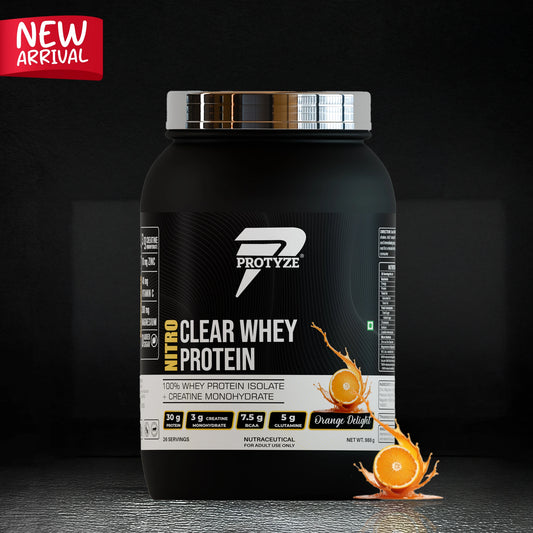
15. Plant-Based Protein Powder
Plant-based protein powders can be useful when getting enough protein from whole foods is difficult. Common protein sources include pea, rice, soy, and blended plant proteins.
They can be mixed into smoothies or other beverages. However, protein powder is best viewed as a convenient supplement to a nutritious diet rather than a replacement for whole foods.
What Is the Best Protein Source?
What is the best protein source? There isn't one protein source that is best for everyone. The right choice depends on your dietary preferences, nutritional needs, budget, digestion, and overall diet.
For vegetarians, dairy products and eggs can also provide high-quality protein if they are part of the diet. Vegans can focus on legumes, soy foods, quinoa, seeds, nuts, and plant-based protein products.
Using a variety of protein sources throughout the day can make it easier to meet your nutritional requirements.
High Protein Foods Vegetarian
When looking for high protein foods vegetarian, consider lentils, chickpeas, kidney beans, soybeans, tofu, tempeh, dairy products, eggs, quinoa, peanuts, seeds, and other legumes.
For a vegetarian diet, combining different foods can provide a broader range of nutrients. For example, dal with rice, rajma with rice, or chickpeas with roti can be practical meal combinations.
The goal is not simply to find one high-protein food but to build meals that consistently provide enough protein.
Protein Rich Foods Vegetarian
Protein rich foods vegetarian choices can easily be included in everyday Indian meals. Dal, chana, rajma, peas, tofu, paneer, curd, milk, eggs, nuts, seeds, and quinoa are some options.
Vegans can replace dairy and eggs with tofu, tempeh, soy milk, legumes, nuts, seeds, and other plant-based foods.
If you're physically active or trying to build muscle, distributing protein across your meals can be a practical strategy rather than consuming most of your protein at one time.
Final Thoughts
Vegetarians and vegans have many options for meeting their protein needs. Lentils, chickpeas, kidney beans, soy foods, quinoa, nuts, seeds, oats, and plant-based protein powders can all contribute to daily protein intake.
Rather than focusing on a single “best” protein source, build your diet around a variety of protein-rich foods. This approach can help you get protein along with fiber, vitamins, minerals, healthy fats, and other important nutrients.