
"Contains Natural Flavors."
You've seen it on protein powder labels, energy drinks, flavored water, snack bars pretty much everything that tastes good but claims to be healthy.
But have you ever stopped and thought... what exactly IS a natural flavor?
Most people shrug and move on. But if you're someone who obsesses over ingredient labels (welcome to the club, by the way), this tiny phrase can feel like a giant question mark.
Today, we're pulling back the curtain on natural flavors what they actually are, where they come from, whether they're safe, and what to watch out for when buying supplements and health products.
Buckle up, because this gets interesting.
The "Natural" Label Is More Complicated Than You Think
Let's start with a story.
Imagine you're in a supermarket, holding two protein drinks. One says "Artificial Strawberry Flavor." The other says "Natural Strawberry Flavor."
You pick the second one without thinking twice. Of course you do. Natural sounds better, cleaner, safer.
But here's the plot twist: both flavors might have been created in the exact same laboratory, by the same food scientist, using very similar chemical processes.
Mind blown? Let's explain.
So, What Exactly Are Natural Flavors?
According to food regulatory bodies, a natural flavor is any flavoring substance derived from a natural source meaning it originally came from:
- Fruits or fruit juices
- Vegetables or vegetable juice
- Edible yeast
- Herbs, barks, buds, roots, leaves
- Meat, poultry, or seafood
- Dairy products
- Eggs
The key word here is originally.
That natural strawberry flavor in your protein shake? It might have started as a real strawberry. But by the time it reaches your drink, it's been extracted, isolated, chemically processed, and concentrated in a lab until it's barely recognizable from its original form.
The difference between natural and artificial flavors isn't really about how they're made it's about where the original source material came from.
Natural flavor = started as something from nature. Artificial flavor = created entirely from synthetic, man-made chemicals.
That's... a surprisingly thin line, isn't it?
How Are Natural Flavors Actually Made?
Here's where it gets fascinating.
Food scientists called flavorists are basically the unsung heroes (or villains, depending on how you look at it) of the food industry. Their entire job is to create flavors that make food irresistible.
To make a natural flavor, they might:
- Extract flavor compounds from a fruit, plant, or animal source
- Isolate specific chemical molecules responsible for that taste or smell
- Concentrate those compounds
- Combine them with carrier agents, solvents, and preservatives
- Test until the flavor tastes exactly right
The final product is often a complex cocktail of dozens sometimes hundreds of individual chemical compounds, all derived from "natural" sources.
Here's a fun fact: natural vanilla flavor is often derived from a compound called castoreum, which comes from beaver glands. Yes, beaver glands. That's still considered "natural" by food standards.
Still feeling great about that "natural" label?
Natural Flavors vs. Artificial Flavors: What's the Real Difference?
Let's be honest—from a pure chemistry standpoint, the difference is smaller than the food industry wants you to believe.
Natural Flavors:
- Derived from natural sources (plants, animals, minerals)
- Still heavily processed in labs
- Can contain hundreds of chemical compounds
- Generally more expensive to produce
- Perceived as "healthier" by consumers (even if not always true)
Artificial Flavors:
- Created entirely from synthetic chemicals
- Also processed in labs
- Can sometimes be more consistent and stable
- Cheaper to produce
- Often unfairly demonized
Here's the uncomfortable truth: some artificial flavors are actually simpler and cleaner than natural ones. An artificial blueberry flavor might contain 5 chemical compounds. A natural blueberry flavor might contain 50.
More compounds = more potential for sensitivities, allergies, or reactions.
Are Natural Flavors Safe?
For the vast majority of people—yes, natural flavors are safe.
Regulatory bodies like the FDA (and India's FSSAI) require that all flavoring substances, natural or artificial, must be safe for consumption before they're approved for use in food.
However, there are some things worth knowing:
1. Hidden Allergens: Natural flavors can be derived from common allergens like dairy, soy, tree nuts, or wheat. If you have food allergies, "natural flavors" on a label can be a hidden trap. Always check with the manufacturer if you're unsure.
2. Digestive Sensitivity: Some people report bloating, gas, or stomach discomfort from certain natural flavoring compounds. If you notice digestive issues with a specific product, natural flavors could be a culprit.
3. Vegan Concerns: Not all natural flavors are plant-based. They can come from animal sources. If you're vegan or vegetarian, look for products that specifically state their flavors are plant-derived.
4. "Natural" Doesn't Mean Nutritious: Natural flavors add taste, not nutrition. They're essentially zero-calorie, zero-nutrient additives. They make your protein shake taste like mango—nothing more, nothing less.
Why Are Natural Flavors Used in Supplements?
Great question. Here's why supplement brands use them:
1. Taste matters more than you think. A protein powder that tastes like chalk won't get used consistently. If you hate the taste, you'll skip doses. If you skip doses, you don't reach your goals. Natural flavors make supplements actually enjoyable to consume.
2. They allow for zero sugar formulas. Instead of loading products with sugar to make them taste good, brands can use natural flavors combined with sweeteners like stevia or monk fruit to create a great-tasting product with zero added sugar.
3. Consumer preference. People overwhelmingly prefer "natural flavor" on a label over "artificial flavor," even when the actual difference is minimal. It's partly psychology, partly marketing.
What Should You Look for on a Label?
If you're health-conscious (and clearly you are, since you're reading this), here's a simple checklist when evaluating a flavored supplement:
✓ Natural flavors + clean sweeteners like monk fruit or stevia — this is the gold standard. You get great taste without added sugar or artificial chemicals.
✓ Short, readable ingredient lists — the fewer mystery ingredients, the better.
✓ Transparent brands — good companies tell you exactly what's in their products and are happy to answer questions about their flavoring sources.
✓ Certified products — look for ISO, GMP, or HACCP certifications. These ensure the product meets strict quality and safety standards.
✗ Watch out for: vague "natural and artificial flavors" combined, or products that list natural flavors near the top of the ingredient list (meaning there's a lot of it).
What About Protyze? Here's Why It Gets This Right
If you're particular about what goes into your body—and you should be—this is where Protyze genuinely stands out.
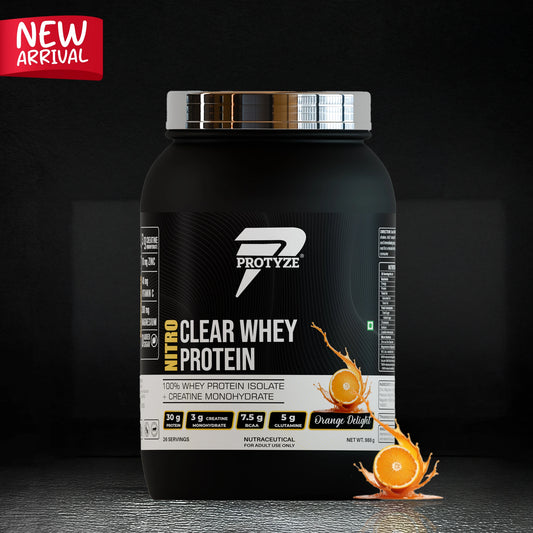
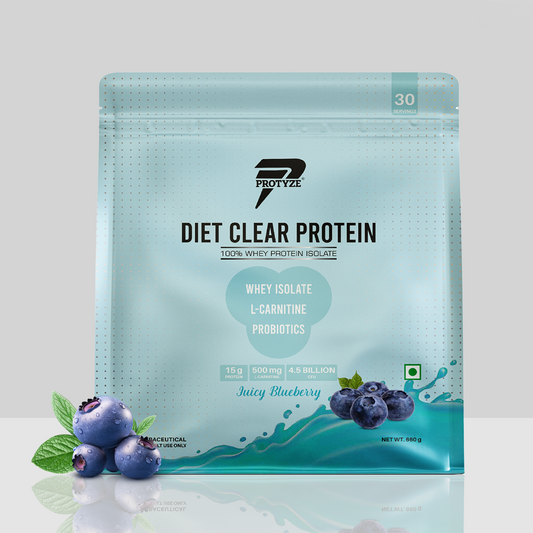
Protyze products are naturally sweetened using monk fruit and stevia, two of the cleanest, most well-researched natural sweeteners available. No added sugar, no artificial sweeteners, no unnecessary junk.
The Protyze Hydra and Protyze Hydra-X formulas are specifically designed with a clean-label philosophy—meaning what you see on the label is exactly what you get. No hidden fillers, no confusing chemical names, just high-quality ingredients that serve a purpose.
Even better, they're ISO, GMP, and HACCP certified—which means every batch is produced under strict quality controls that many supplement brands simply don't bother with.
When you're drinking a Protyze Hydra after a hard workout, you're not just getting 20g of clean whey protein isolate and 810mg of electrolytes—you're getting a product where every single ingredient, including how it's flavored, has been thought through carefully.
That's the difference between a brand that chases trends and one that actually cares about what goes into your body.
Conlusion: Should You Worry About Natural Flavors?
Here's our honest take:
No, you don't need to panic every time you see "natural flavors" on a label. For most healthy people, they're safe and perfectly fine to consume.
But yes, you should be aware. "Natural" doesn't automatically mean pure, simple, or nutritious. It just means the original source came from nature before a food scientist got their hands on it.
The smarter approach is to:
- Choose products with short, clean ingredient lists
- Look for naturally sweetened options over artificially sweetened ones
- Support transparent brands that are open about their formulations
- Trust certifications over marketing buzzwords
At the end of the day, the best supplement is the one that tastes good enough that you'll actually use it consistently—made by a brand honest enough to tell you exactly what's inside.
Because your body deserves better than mysterious ingredients and vague labels.