
Protein is one of the most important nutrients for people who exercise regularly. Whether your goal is to build muscle, maintain lean mass, improve recovery, or manage your body composition, getting enough protein is essential.
But protein does more than support muscle tissue. It also has a unique relationship with thermogenesis, the process through which your body uses energy to digest, absorb, and metabolize food. Understanding this connection can help you make better decisions about protein intake and fitness nutrition.
Quick Answer
Protein supports muscle building by providing amino acids needed for muscle protein synthesis and recovery. It also has a higher thermic effect than carbohydrates and fats, meaning the body uses more energy to digest and process it. Together, adequate protein intake and resistance training can support muscle growth, recovery, and healthy body composition.
What Is Protein Thermogenesis?
Thermogenesis refers to the production of heat and the energy your body uses during metabolic processes. One important component is the thermic effect of food (TEF), which is the energy required to digest, absorb, and process nutrients.
Protein generally has a higher thermic effect than carbohydrates and dietary fat. A recent systematic review and meta-analysis found that higher-protein meals produced greater diet-induced thermogenesis than lower-protein meals in short-term studies. Higher-protein diets were also associated with higher total daily energy expenditure in longer-term studies.
This doesn't mean protein is a magic fat-burning nutrient. Instead, its higher thermic effect is one reason protein can play a useful role in an overall nutrition strategy.
How Does Protein Support Muscle Building?
Muscle growth occurs when muscle protein synthesis is sufficiently stimulated over time and supported by appropriate training and nutrition.
When you consume protein, it is broken down into amino acids. These amino acids are used to build and repair body tissues, including skeletal muscle.
Resistance training provides the stimulus for muscle adaptation, while adequate protein supplies the building blocks required for recovery and growth. Research shows that increasing protein intake can provide additional gains in lean body mass when combined with resistance exercise.
This is why protein and strength training work particularly well together.
Protein and Thermogenesis: How Are They Connected?
The connection between protein and thermogenesis comes mainly from the amount of energy required to process protein.
After eating a protein-rich meal, your body has to digest the protein, break it into amino acids, absorb those amino acids, and use them for different physiological processes. These activities require energy.
Because protein generally has a greater thermic effect than carbohydrates and fats, increasing the proportion of protein in a balanced diet can influence post-meal energy expenditure.
However, the actual effect varies between individuals and depends on factors such as total calorie intake, body composition, meal composition, and physical activity.
Can Protein Help With Fat Loss?
Protein can support fat-loss goals, but it should not be viewed as a direct fat-burning supplement.
One potential advantage is its effect on thermogenesis. Protein also tends to be highly satisfying, which can make it easier for some people to manage overall food intake. Research has found that higher-protein diets can increase thermogenesis and satiety compared with lower-protein diets, although long-term weight-loss outcomes can vary.
Protein is particularly useful during a calorie deficit because maintaining adequate protein intake alongside resistance training can help support lean muscle mass.
The key is to combine protein with an appropriate calorie intake and regular physical activity.
How Much Protein Do You Need for Muscle Building?
Protein requirements vary depending on body size, age, activity level, training status, and overall diet.
For people participating in resistance training, research suggests that increasing protein intake can support additional gains in lean mass. A large meta-analysis found that protein supplementation enhanced muscle strength and size during prolonged resistance training, with no additional lean-mass benefit observed beyond approximately 1.6 g/kg/day in the studies analyzed.
This does not mean everyone needs exactly 1.6 g/kg/day. Your ideal intake should reflect your individual goals, training, diet, and circumstances.
Instead of focusing only on a single number, aim to consistently include quality protein sources throughout the day.
Best Protein Sources for Muscle Growth
Protein can come from both animal and plant-based foods.
Some useful options include:
- Eggs
- Milk and dairy products
- Greek yogurt
- Paneer
- Chicken
- Fish
- Lean meats
- Lentils and dal
- Chickpeas
- Beans
- Soy and tofu
- Whey protein
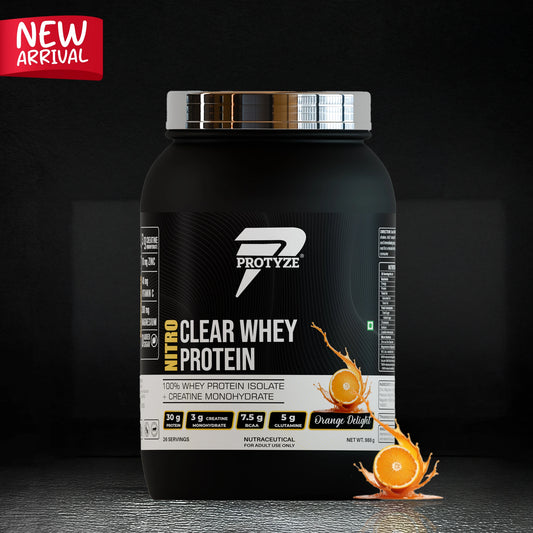
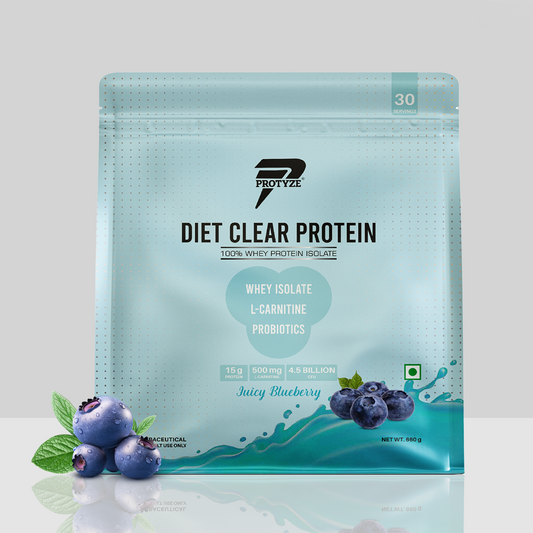
For people who find it difficult to meet their daily protein requirements through food alone, a whey protein supplement can provide a convenient source of high-quality protein.
When Is the Best Time to Consume Protein?
There is no single magical time to consume protein. Total daily protein intake is generally more important than focusing exclusively on one specific timing window.
However, including protein around workouts can be a practical way to support exercise recovery. Protein consumed before or after resistance training can provide amino acids during a period when muscle tissue is responding to exercise.
Spreading protein across meals may also make it easier to consistently meet your daily target.
Protein, Thermogenesis, and Muscle Building: The Bigger Picture
Protein's thermic effect and its role in muscle building are two different physiological benefits that can complement each other.
Its higher thermic effect means your body uses more energy to process protein compared with carbohydrates and fats. At the same time, adequate protein provides amino acids needed for muscle repair and adaptation.
When combined with resistance training, sufficient protein intake can support increases in lean mass and strength.
However, protein alone cannot build significant muscle without an appropriate training stimulus. Similarly, eating more protein does not automatically guarantee fat loss.
A sustainable approach combines adequate protein, resistance training, appropriate calorie intake, quality sleep, hydration, and a balanced diet.
FAQs
Does protein increase thermogenesis?
Yes. Protein generally has a higher thermic effect than carbohydrates and fats, so the body uses more energy to digest and process it.
Can protein help build muscle?
Yes. Adequate protein provides amino acids required for muscle protein synthesis and can support muscle growth when combined with resistance training.
Does protein help burn body fat?
Protein can support fat-loss efforts through its thermic effect, satiety, and role in maintaining lean mass. However, fat loss ultimately depends on maintaining an appropriate calorie balance.
Is whey protein good for muscle growth?
Yes. Whey protein can be a convenient way to increase protein intake, particularly when dietary protein requirements are difficult to meet through regular meals.
Does eating more protein increase metabolism?
Higher-protein diets can increase certain components of energy expenditure, although the size of the effect varies between individuals and does not replace the importance of physical activity and overall calorie balance.
Can I build muscle without protein supplements?
Yes. You can meet your protein requirements entirely through foods such as eggs, dairy, poultry, fish, meat, lentils, beans, soy, and other protein-rich foods. Supplements are simply a convenient option.
Final Thoughts
The connection between protein, thermogenesis, and muscle building makes protein an important part of a well-rounded fitness nutrition plan.
Protein has a higher thermic effect than carbohydrates and fats, which means your body uses more energy to digest and process it. At the same time, adequate protein provides amino acids that support muscle protein synthesis, repair, and adaptation.
For people working toward muscle growth or improved body composition, the focus should be on consistently meeting protein needs, following a progressive resistance-training program, and maintaining an overall balanced diet.
Protein is not a magic fat burner, but when used appropriately, it can be a valuable part of your approach to muscle growth, recovery, and healthy body composition.