
Protein plays an important role in muscle growth, recovery, and maintaining lean body mass. Whether you train regularly, play sports, or simply want to improve your daily nutrition, choosing the right protein source can make it easier to meet your protein needs.
But with so many options available—from eggs and dairy to pulses and protein supplements—it can be difficult to know which one fits your goals.
The best choice depends on factors such as protein quality, amino acid content, digestion, convenience, and your overall diet.
What is the best protein source?
There is no single protein source that is best for everyone. A good protein source provides enough essential amino acids, particularly leucine, which plays an important role in stimulating muscle protein synthesis.
For people looking to support muscle growth and recovery, whey protein is one of the most convenient high-quality protein sources because it contains all nine essential amino acids and is naturally rich in branched-chain amino acids (BCAAs).
Other useful protein sources include eggs, milk, curd, paneer, fish, meat, soy, lentils, beans, chickpeas, nuts, and seeds. Combining different sources can help create a balanced diet while providing a variety of nutrients.
Why Does Protein Matter for Muscle Growth?
Muscles experience small amounts of damage during resistance training and physical activity. Protein provides amino acids that the body uses to repair and build muscle tissue.
Consuming sufficient protein throughout the day can support muscle recovery and help maintain muscle mass. However, protein alone does not build muscle. Progressive resistance training, adequate calories, sleep, hydration, and overall nutrition also matter.
Animal vs Plant Protein Sources
Animal-based protein sources such as eggs, dairy, fish, and meat generally provide complete protein, meaning they contain all essential amino acids in adequate proportions.
Plant proteins such as lentils, beans, chickpeas, peas, nuts, and seeds can also contribute significantly to daily protein intake. Some plant foods may contain lower amounts of particular essential amino acids, so eating a variety of plant protein sources can help improve overall amino acid intake.
For people following vegetarian diets, combining foods such as legumes, dairy, grains, and nuts can make it easier to meet protein requirements.
Is Whey Protein a Good Protein Source?
Whey protein is a dairy-derived protein that is popular among athletes and fitness enthusiasts because it offers a concentrated source of protein and is easy to consume.
Whey protein isolate undergoes additional processing to remove much of the fat, lactose, and other components found in milk. This makes it a practical option for people who want a high-protein supplement with relatively low amounts of carbohydrates and fat.
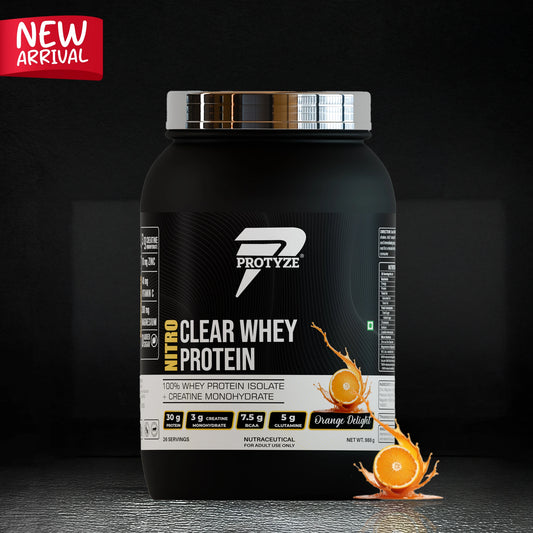
Clear whey protein is another form of whey isolate that is mixed with water to create a lighter, juice-like drink rather than a traditional milkshake-style protein drink.
How Much Protein Do You Need?
Protein requirements vary depending on body weight, activity level, age, and fitness goals.
People who regularly perform resistance training may require more protein than sedentary individuals. Instead of relying on one large protein-heavy meal, spreading protein intake across meals can make it easier to meet daily requirements.
Good protein-rich meals can include eggs with whole grains, paneer with rice or roti, dal with rice, curd with meals, or a protein supplement alongside a balanced diet.
Choosing the Right Protein Source
When selecting a protein source, consider more than just the number of grams of protein. Look at the complete nutritional profile, amino acid quality, digestibility, ingredients, dietary preferences, and convenience.
Whole foods should form the foundation of a balanced diet. Protein supplements can then be used as a convenient way to fill nutritional gaps when getting enough protein from regular meals is difficult.
Final Thoughts
The best protein source is ultimately the one that fits your nutritional needs, fitness goals, dietary preferences, and daily routine. Eggs, dairy, legumes, fish, meat, and other whole foods can all contribute to a high-protein diet, while whey protein offers a convenient option for increasing protein intake.
For muscle growth, focus on adequate total protein, balanced nutrition, consistent strength training, and recovery rather than depending on a single protein source.