
If you recently started going to the gym, trying to lose fat, or improving your daily nutrition, one question probably comes up often:
“How many calories are in 1 scoop of whey protein?”
The answer depends on the type of whey protein you choose.
On average, 1 scoop of whey protein contains anywhere between 90 to 130 calories, depending on:
- protein concentration
- fats and carbohydrates
- flavoring ingredients
- whey isolate vs concentrate
- digestion-friendly formulations
For people trying to:
- lose fat
- build lean muscle
- improve recovery
- maintain a calorie deficit
understanding whey protein calories is extremely important.
The good news?
Modern whey proteins are now designed to provide higher protein with lower calories, making them one of the most efficient nutrition options available today.
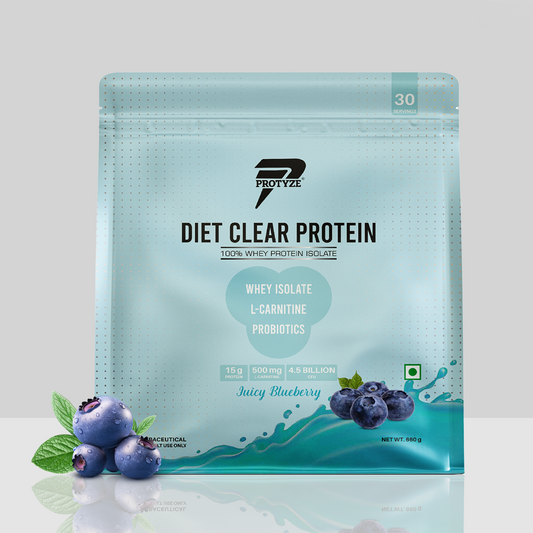
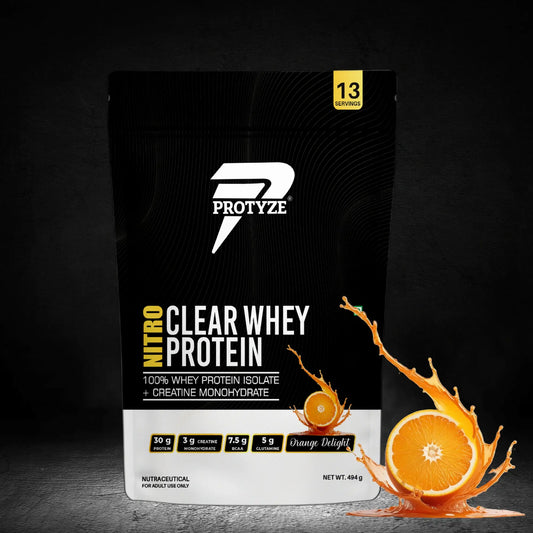
Brands like Protyze have focused on developing proteins with:
- lower calorie formulations
- higher protein purity
- lighter digestion
- better taste profiles
- reduced heaviness and bloating
especially with innovations like clear whey isolate protein.
In this guide, we’ll explain:
- calories in whey isolate
- calories in whey concentrate
- calories in clear whey protein
- whey protein with milk vs water
- whether whey protein helps fat loss
- which whey protein has the lowest calories
- how to choose the best protein powder in India
Average Calories in 1 Scoop of Whey Protein
A typical scoop of whey protein weighs around 30–35 grams and usually delivers 20–25 grams of protein.
However, calorie content changes based on the protein type.
| Type of Whey Protein | Protein Per Scoop | Calories | Best For |
|---|---|---|---|
| Whey Protein Concentrate | 20–24g | 120–130 kcal | Bulking & muscle gain |
| Whey Protein Isolate | 24–27g | 100–120 kcal | Lean muscle & fat loss |
| Clear Whey Protein | 22–24g | 90–110 kcal | Low-calorie & light digestion |
Most calories in whey protein come from protein itself, while smaller amounts come from fats and carbohydrates.
Calories Breakdown in Whey Protein
Each macronutrient contributes calories differently.
- Protein = 4 calories per gram
- Carbohydrates = 4 calories per gram
- Fat = 9 calories per gram
For example, if one scoop contains:
- 24g protein
- 2g carbohydrates
- 1g fat
the total calories would be:
This is why most whey proteins fall between 100–120 calories per scoop.
Calories in Whey Protein Isolate
Whey isolate is one of the purest forms of whey protein and generally contains 90% or more protein.
Because isolate contains minimal fats and carbohydrates, it typically provides fewer calories compared to whey concentrate.
Typical Whey Isolate Profile
- Protein: 24–27g
- Calories: 100–120 kcal
- Lower lactose
- Fast absorption
- Lean muscle support
This makes whey isolate ideal for:
- fat loss
- lean muscle building
- calorie-controlled diets
- high-protein low-carb nutrition
Many people searching for the best whey protein powder for weight loss prefer whey isolate because it delivers more protein with fewer calories.
Calories in Whey Protein Concentrate
Whey concentrate contains slightly more carbohydrates and fats, increasing the overall calorie count.
Typical Whey Concentrate Profile
- Protein: 20–24g
- Calories: 120–130 kcal
- Creamier texture
- Slightly higher lactose content
Although concentrate contains more calories, it remains an effective and affordable protein source for muscle growth.
Calories in Clear Whey Protein
Clear whey protein is becoming increasingly popular because it feels lighter and more refreshing than traditional milky protein shakes.
Unlike regular whey shakes, clear whey isolate has a juice-like texture and is usually easier to digest.
Typical Clear Whey Profile
- Protein: 22–24g
- Calories: 90–110 kcal
- Low fat
- Low lactose
- Easy digestion
- Refreshing taste
Because clear whey contains minimal fats and lactose, it is often preferred by people who:
- experience bloating with regular whey
- want lighter protein options
- prefer fruit-flavored drinks
- want summer-friendly protein supplements
Protyze Clear Whey Protein is specifically designed to provide:
- high-quality whey isolate
- lower calories
- refreshing taste
- faster absorption
- smoother digestion
without the heaviness commonly associated with traditional protein shakes.
This makes it suitable for:
- daily protein intake
- post-workout recovery
- fat-loss diets
- hydration-focused summer nutrition
Which Whey Protein Has the Lowest Calories?
If your goal is fat loss or maintaining a calorie deficit, choosing a lower-calorie whey protein can help significantly.
Here’s a quick comparison:
| Protein Type | Average Calories | Digestion | Texture |
|---|---|---|---|
| Whey Concentrate | Highest | Moderate | Creamy |
| Whey Isolate | Lower | Fast | Smooth |
| Clear Whey Isolate | Lowest | Very Easy | Juice-like |
In most cases, clear whey isolate and whey isolate provide the best protein-to-calorie ratio.
Modern formulations like Protyze proteins are developed to maintain:
- lower calorie counts
- higher protein purity
- better mixability
- improved taste
while still delivering effective recovery and muscle support.
Is 1 Scoop of Whey Protein Enough?
For many beginners, 1 scoop per day is enough to improve overall protein intake.
However, your daily protein requirement depends on:
- body weight
- activity level
- training intensity
- muscle-building goals
Most active individuals require approximately:
If you struggle to meet your protein requirements through food alone, whey protein becomes a convenient and efficient solution.
Calories in Whey Protein With Milk vs Water
What you mix your whey protein with also changes the calorie count.
| Mix Option | Extra Calories |
|---|---|
| Water | Almost 0 |
| Toned Milk (250ml) | 120–150 kcal |
| Full Cream Milk | 180+ kcal |
If your goal is:
- fat loss
- lean muscle
- calorie control
mixing whey protein with water is usually the better option.
Clear whey proteins are especially popular with water because they provide a juice-like experience rather than a thick milky shake.
Can Whey Protein Increase Belly Fat?
No. Whey protein itself does not directly increase belly fat.
Fat gain happens only when total daily calorie intake consistently exceeds calorie expenditure.
In fact, whey protein can support fat loss because it:
- increases fullness
- reduces unnecessary snacking
- preserves lean muscle mass
- supports recovery
- improves metabolism during dieting
This is why whey protein is commonly included in modern fat-loss nutrition plans.
Does Whey Protein Help With Fat Loss?
Yes. Whey protein can support fat loss when combined with proper nutrition and exercise.
Whey Protein Helps Fat Loss By:
Increasing Satiety
Protein helps keep you fuller for longer.
Preserving Lean Muscle
Adequate protein helps maintain muscle while dieting.
Supporting Metabolism
Protein has a higher thermic effect compared to carbs and fats.
Because whey protein provides high protein with relatively low calories, it becomes an effective nutrition tool for body recomposition and fat management.
Best Time to Take Whey Protein
Whey protein can be consumed at different times depending on your goals.
Post-Workout
Supports muscle recovery and protein synthesis.
Morning
Helps replenish protein after overnight fasting.
Between Meals
Helps increase protein intake without adding excessive calories.
Fast-absorbing options like Protyze Clear Whey Protein are also preferred during summer because they feel lighter and more refreshing compared to thick shakes.
Who Should Use Whey Protein?
Whey protein can benefit:
- gym beginners
- athletes
- busy professionals
- people trying to lose fat
- people trying to build muscle
- vegetarians with lower protein intake
In India, many diets are carbohydrate-heavy and relatively low in protein, making supplementation useful for meeting daily nutrition goals.
Frequently Asked Questions
How many calories are in 1 scoop of whey protein?
Most whey proteins contain around 100–120 calories per scoop depending on the formulation.
Which whey protein has the lowest calories?
Clear whey isolate and whey isolate generally contain the lowest calories.
Is clear whey protein lower in calories?
Yes. Clear whey proteins usually contain lower fats and carbohydrates, helping reduce calories.
Does whey protein have more calories with milk?
Yes. Mixing whey protein with milk significantly increases total calories compared to water.
Can whey protein help with weight loss?
Yes. Whey protein can support fat loss by increasing satiety and helping preserve muscle mass.
How much protein is in one scoop of whey protein?
Most whey proteins provide approximately 20–25 grams of protein per scoop.
Conclusion
The number of calories in 1 scoop of whey protein depends on the type and formulation, but most whey proteins provide between 90–130 calories while delivering 20–25 grams of high-quality protein.
This makes whey protein one of the most efficient ways to increase daily protein intake without significantly increasing calorie intake.
Today, modern protein supplements are no longer just about protein quantity. Consumers now look for:
- lower calories
- better digestion
- lighter texture
- improved taste
- cleaner formulations
This is where newer-generation proteins like Protyze stand out.
Protyze proteins are designed to provide:
- lower calorie formulations
- high protein purity
- refreshing taste profiles
- easier digestion
- smoother mixability
- effective recovery and muscle support
without the heaviness traditionally associated with protein shakes.
For people looking for:
- fat-loss-friendly protein
- lean muscle support
- refreshing summer protein options
- lighter digestion
- convenient daily protein intake
clear whey isolate offers one of the best modern alternatives to traditional whey shakes in 2026.