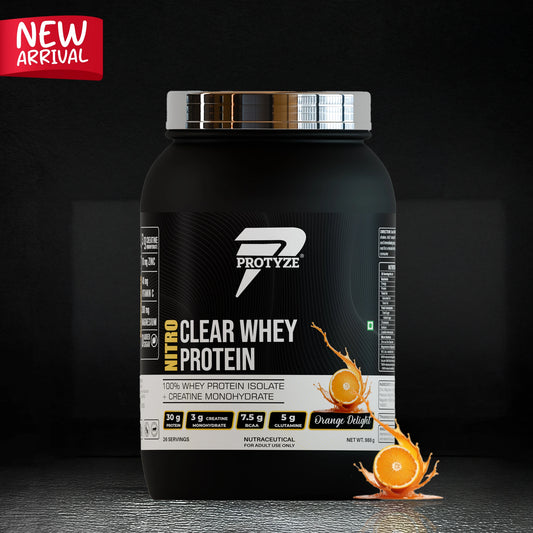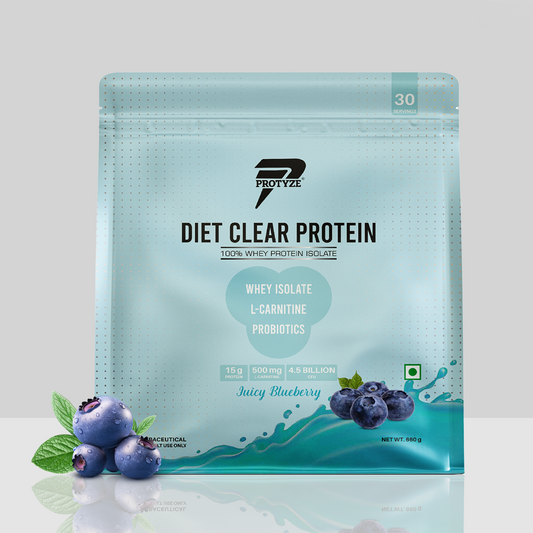

Tired of bloating after protein shakes?
If thick, milky shakes leave you feeling heavy, uncomfortable, or hard to digest, you’re not alone. More fitness enthusiasts in India are switching to juice-based clear protein for a lighter, faster-absorbing experience.
But is juice protein really easier to digest than traditional milk protein shakes?
Let’s break down the science, digestion speed, bloating factor, lactose concerns, workout recovery, and which option suits your lifestyle best.
Juice Protein vs Milk Protein Shake: Quick Comparison
| Feature | Juice Protein (Clear Whey) | Traditional Milk Protein Shake |
|---|---|---|
| Texture | Light & juice-like | Thick & creamy |
| Digestion Speed | Fast absorbing | Slower digestion |
| Lactose Content | Usually 99% lactose-free | Contains lactose |
| Bloating Chances | Low | Higher for sensitive users |
| Calories | Lower | Higher |
| Best For | Summer, post-workout, daily use | Meal replacement, bulking |
| Stomach Feel | Refreshing | Heavy/full feeling |
What Is Juice Protein?
Juice protein, also called Clear Whey Protein Isolate, is a refreshing protein drink that looks and tastes more like juice than a milkshake.
Instead of the thick creamy texture of regular whey, clear protein is:
- Light
- Fast absorbing
- Low calorie
- Low fat
- Easier on the stomach
Popular flavors include:
- Lemon iced tea
- Mango
- Berry
- Orange
- Rose
- Tropical fruit blends
Unlike traditional whey shakes, it doesn’t leave a milky aftertaste or heaviness.
What Is a Milk Protein Shake?
A milk protein shake is the classic creamy protein drink made using:
- Whey concentrate
- Casein
- Milk solids
- Dairy-based protein blends
These are commonly used for:
- Bulking
- Meal replacement
- Weight gain
- Slow protein release
While effective for muscle growth, many users experience:
- Bloating
- Gas
- Heaviness
- Digestion discomfort
- Lactose-related stomach issues
especially in India where lactose sensitivity is common.
Which Protein Is Easier to Digest?
Juice Protein Is Generally Easier to Digest
Here’s why:
1. Lower Lactose Content
Most clear whey isolate proteins are 99% lactose-free, making them easier for sensitive stomachs.
Traditional milk protein shakes often contain:
- Whey concentrate
- Milk powder
- Casein
These ingredients digest slower and may trigger bloating.
2. Faster Absorption
Clear whey isolate undergoes additional filtration, removing:
- Excess fats
- Sugars
- Lactose
This allows:
- Faster amino acid delivery
- Quicker muscle recovery
- Lighter stomach feel
3. No Thick Dairy Texture
Many people struggle not with protein itself, but with the heavy dairy consistency.
Juice protein feels:
- More hydrating
- More refreshing
- Less dense
especially during:
- Summer workouts
- Cardio sessions
- Fasted training
- Post-gym recovery
Why Milk Protein Shakes Cause Bloating
If you feel uncomfortable after drinking protein, these may be the reasons:
Common Causes of Protein Shake Bloating
Lactose Intolerance
A large percentage of Indians experience mild lactose sensitivity.
Symptoms include:
- Gas
- Stomach cramps
- Bloating
- Uneasiness
Thick Digestion
Creamy shakes stay longer in the stomach, creating a “heavy” feeling.
Added Sugars & Fillers
Many mass-market proteins include:
- Maltodextrin
- Added sugar
- Artificial creamers
- Thickening agents
These can slow digestion further.
Is Clear Whey Better for Everyday Use?
For many users, yes.
Juice Protein Is Ideal If You:
- Hate thick shakes
- Want low-calorie protein
- Feel bloated after whey
- Want summer-friendly protein
- Need fast post-workout recovery
- Prefer refreshing drinks
- Are cutting fat while maintaining muscle
When Milk Protein Shakes May Still Be Better
Traditional protein shakes can still work well for:
- Bulking phases
- Meal replacement
- Weight gain diets
- Night-time slow digestion
- High calorie intake goals
Casein-based milk proteins digest slower, which can help during long fasting periods.
Best Time to Drink Juice Protein
Ideal Timing
- Post workout
- Morning hydration + protein
- Evening cravings
- Between meals
- During fat loss phases
Because it’s light, many people also find it easier to consume consistently.
Does Juice Protein Build Muscle Effectively?
Yes if it contains quality whey isolate.
Muscle growth depends on:
- Total protein intake
- Amino acid profile
- Consistency
- Workout intensity
A good clear whey isolate still delivers:
- High protein per serving
- Essential amino acids
- BCAAs
- Fast recovery support
without the heaviness of traditional shakes.
Clear Whey vs Traditional Whey: Taste Experience
Traditional Whey
- Milky
- Thick
- Dessert-like
- Filling
Clear Whey
- Fruity
- Light
- Juice-like
- Refreshing
This is one reason clear protein is rapidly growing in India among:
- Gym beginners
- Women fitness users
- Summer fitness consumers
- People avoiding dairy-heavy supplements
How to Choose an Easy-to-Digest Protein
Look for These Features
Choose:
- Whey isolate
- 99% lactose-free
- Zero added sugar
- Low fat
- Minimal fillers
Avoid:
- Excessive creamers
- High sugar proteins
- Heavy mass gainers
- Cheap whey concentrates
Who Should Switch to Juice Protein?
You should consider switching if:
- You stop drinking protein because of bloating
- You dislike thick shakes
- You want better hydration
- You struggle with digestion
- You want lean muscle support without extra calories
Final Verdict: Juice Protein vs Milk Protein Shake
If your priority is:
- Easy digestion
- Low bloating
- Fast absorption
- Refreshing taste
- Lean muscle support
then juice protein (clear whey isolate) is usually the better option.
If your goal is:
- Bulking
- Higher calorie intake
- Meal replacement
then traditional milk protein shakes may still suit you.
For most modern fitness users, especially in India’s climate, clear juice-like protein offers a lighter and more comfortable daily protein experience.