
If you are monitoring uric acid or managing gout, you may wonder whether your whey protein whey contains high levels of purines. Since some high-protein foods are also high in purines, it is important to understand that not all protein sources have the same purine content.
Whey protein is derived from milk and is generally considered a low-purine protein source. However, the overall ingredients in a protein supplement, your total diet, hydration, kidney health, and individual health condition also matter.
Quick Answer :
Whey protein powder is generally considered a low-purine protein source and is unlikely to significantly increase uric acid when consumed in moderate amounts.
However, people with gout, kidney disease, or persistent high uric acid should consult a healthcare professional before using supplements regularly.
What Is It?
Purines are naturally occurring compounds found in many foods. When the body breaks down purines, it produces uric acid. Normally, the kidneys remove excess uric acid through urine. When uric acid builds up, it can contribute to hyperuricemia and, in some people, gout.
Foods such as organ meats, certain seafood and some meat products tend to contain higher amounts of purines. Dairy-based proteins such as whey are generally much lower in purines.
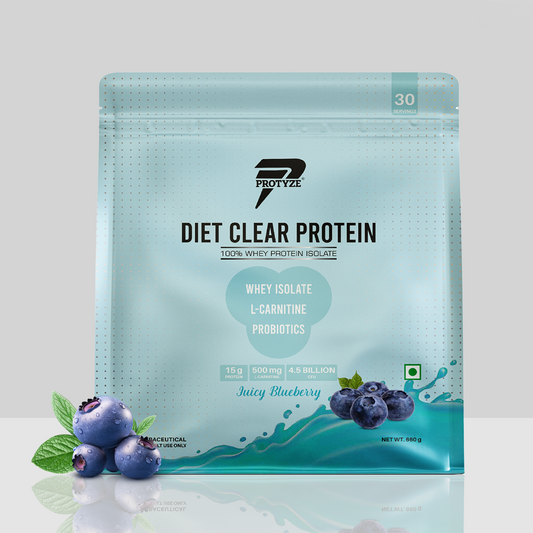
Whey protein whey is commonly used as a convenient protein source for people who exercise. The phrase protein whey protein is also commonly used when searching for whey-based protein supplements, but the important consideration is the actual ingredients and nutritional profile of the product.
Is Whey Protein High in Purines?
Generally, whey protein is not considered a high-purine food. Whey is derived from milk, making it different from protein sources such as organ meats and certain seafood that are naturally high in purines.
This means people concerned about purine intake do not necessarily need to avoid whey protein. However, having whey does not mean it can treat high uric acid or gout.
It is also important to check the complete product label. A whey protein powder may contain additional ingredients, including sweeteners, flavoring agents, carbohydrates, fats, vitamins, minerals or other protein sources.
Whey Protein Powder and Uric Acid
For most healthy adults, consuming a reasonable amount of whey protein as part of a balanced diet is unlikely to be a major source of dietary purines.
Some research has also examined dairy protein and uric acid, with dairy consumption generally not showing the same gout-risk association as certain high-purine animal foods.
However, individual circumstances differ. People with diagnosed gout, kidney disease, recurrent kidney stones or persistently elevated uric acid should discuss their diet and supplement use with a healthcare professional.
Who Should Use Whey Protein?
Whey protein can be useful for:
- People who struggle to meet their daily protein requirements
- Gym-goers and athletes
- Individuals following resistance-training programs
- People who need a convenient protein source
- Those looking to support muscle recovery and maintenance
It is not necessary for everyone. If you already consume enough protein through your regular diet, you may not need a protein supplement.
Benefits of Whey Protein
1. Convenient Protein Source
Whey makes it easier to increase daily protein intake without preparing a complete meal.
2. Complete Protein
Whey provides all nine essential amino acids, making it a high-quality protein source.
3. Supports Muscle Recovery
Adequate protein intake supports muscle repair and recovery when combined with resistance training.
4. Different Forms Available
Whey is available as concentrate, isolate and other formulations. This gives consumers options based on their dietary needs and preferences.
Whey Protein Isolate vs Whey Concentrate
Whey protein isolate undergoes additional filtration and generally contains a higher percentage of protein with less lactose, carbohydrates and fat than whey concentrate.
This can make whey isolate an option for people who want a higher protein percentage or have difficulty tolerating larger amounts of lactose.
However, choosing isolate does not mean it is specifically better for managing uric acid. The primary difference is its nutritional composition and processing.
Side Effects and Precautions
Whey protein is generally well tolerated, but some people may experience bloating, gas or digestive discomfort.
People with milk allergies should avoid whey unless advised otherwise by a healthcare professional.
If you have kidney disease or have been advised to restrict protein intake, do not increase your protein intake or start supplements without professional guidance.
Also remember that gout management involves more than avoiding purines. Maintaining appropriate hydration, managing body weight where appropriate, limiting alcohol and following your healthcare professional's recommendations can all be important.
Dosage
There is no specific whey protein dosage based solely on purine intake.
Your protein requirement depends on factors such as body weight, activity level, age, fitness goals and overall diet. For people who exercise regularly, protein needs are often higher than those of sedentary individuals.
Instead of taking multiple servings unnecessarily, calculate how much protein you already receive from food and use whey to fill the gap.
Best Time to Take Whey Protein
There is no mandatory time to consume whey protein. You can take it after exercise, between meals or at another convenient time.
For muscle growth, your total daily protein intake is generally more important than consuming whey at a specific time.
If you are using whey while managing high uric acid, focus on your overall dietary pattern, adequate hydration and any recommendations provided by your healthcare professional.
How to Choose a Whey Protein
If you are searching for the best whey protein in India, do not choose a product solely because of its popularity or price. Consider:
- Protein content per serving
- Type of whey used
- Complete ingredient list
- Added sugar and carbohydrate content
- Lactose content
- Manufacturing and quality standards
- Serving size and cost per serving
- Your individual dietary requirements
The best whey protein supplement is one that fits your protein requirements, dietary preferences, budget and tolerance.
FAQs
Is whey protein high in purines?
Generally, no. Whey is a dairy-derived protein and is considered a relatively low-purine protein source compared with foods such as organ meats and certain seafood.
Can people with high uric acid consume whey protein?
Many people with elevated uric acid can consume whey in moderate amounts. However, those with gout, kidney disease or other medical conditions should discuss supplementation with a healthcare professional.
Is whey protein isolate low in purines?
Whey protein isolate is derived from milk and is generally considered a low-purine protein source. Its main advantage over concentrate is its higher protein percentage and generally lower lactose content.
Does whey protein increase uric acid?
There is no strong evidence that moderate whey protein consumption necessarily increases uric acid in healthy individuals. Individual responses can vary based on overall diet and health.
Is protein powder safe for gout sufferers?
A suitable protein powder may be included in some gout-friendly diets, but the overall diet and medical condition should be considered. Speak with a healthcare professional if you have recurrent gout attacks or kidney problems.
What is the best whey protein supplement for high uric acid?
There is no specific brand universally recommended for high uric acid. Focus on a quality whey product with clear ingredients and an appropriate serving size.
Conclusion
Whey protein is generally a low-purine protein source and does not need to be automatically avoided by people concerned about uric acid. A quality whey protein powder can be a convenient way to meet daily protein needs, while whey protein isolate may be suitable for those looking for a higher protein percentage and lower lactose content.
However, protein supplements should complement a balanced diet rather than replace it. If you have gout, kidney disease or persistently high uric acid, consult a healthcare professional before making significant changes to your protein intake.