
Quick Answer
Functional protein combines protein with additional ingredients such as creatine, electrolytes, probiotics, or amino acids to support specific fitness or nutrition goals. Regular protein mainly focuses on helping you meet your daily protein requirement. Choose based on your individual goals and nutritional needs.
Protein is no longer limited to traditional shakes designed only to increase daily protein intake. Today, protein products can also include ingredients such as electrolytes, creatine, probiotics, amino acids, vitamins, and minerals to support specific fitness and lifestyle goals.
This has led to growing interest in functional protein. But what exactly does it mean, and how is it different from regular protein?
The answer depends on what you want from your protein supplement.
What Is Functional Protein?
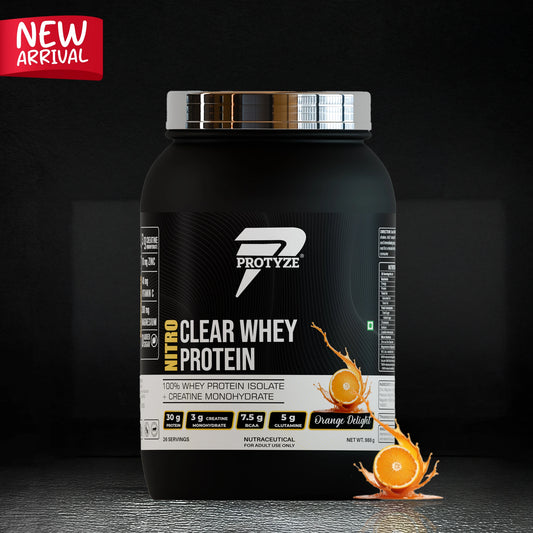
Functional protein is a protein product that combines protein with additional functional ingredients designed to provide benefits beyond basic protein supplementation.
A regular protein powder primarily focuses on delivering protein. A functional protein product may combine protein with ingredients such as:
- Creatine for exercise performance and muscle support
- Electrolytes for hydration
- Probiotics for gut health
- Essential amino acids for muscle protein synthesis
- Vitamins and minerals for specific nutritional needs
The exact benefits depend on the ingredients and their quantities.
For example, a protein drink containing whey protein and electrolytes may be designed to support both protein intake and hydration, while a protein product containing creatine may be targeted toward people focused on strength and performance.
Functional Protein Powder
A functional protein powder is a powdered protein supplement formulated with additional active ingredients that serve a specific nutritional or fitness purpose.
Traditional whey protein can be useful when your primary goal is simply increasing your daily protein intake. Functional protein powder takes a broader approach by combining protein with other ingredients.
For example, a product could provide:
for people focused on strength and muscle performance.
Or:
for people who want protein alongside hydration support.
Or:
for people looking to combine protein supplementation with digestive-support ingredients.
The important thing is to check the nutrition label rather than choosing a product simply because it is marketed as “functional.”
Functional Protein vs Regular Protein
The main difference is the purpose and formulation.
| Feature | Regular Protein | Functional Protein |
| Primary purpose | Increase protein intake | Protein + additional nutritional function |
| Protein | Yes | Yes |
| Added functional ingredients | Usually limited | Often included |
| Common additions | Flavouring, sweeteners | Creatine, electrolytes, probiotics, EAAs, etc. |
| Best suited for | General protein supplementation | Specific fitness or lifestyle needs |
Neither category is automatically necessary for everyone.
If you already get sufficient protein from your diet and don't need additional ingredients, regular protein may be enough.
If you want to combine protein with another nutritional goal, functional protein may offer greater convenience.
What Are the Benefits of Functional Protein?
The biggest advantage is convenience.
Instead of taking separate supplements for different purposes, a functional protein product may combine multiple ingredients into one serving.
For example, someone following an intense training routine might want protein and creatine. Another person training outdoors in hot weather may want protein and electrolytes.
Functional formulations can therefore help simplify a supplement routine.
However, the benefits depend entirely on the individual ingredients. A product should be evaluated based on its actual nutritional composition, dosage, and suitability for your goals.
When Should You Choose Regular Protein?
Regular protein may be appropriate when your main objective is meeting your daily protein requirement.
For example, if your diet provides enough carbohydrates, fats, vitamins, minerals, and other nutrients, you may simply need a convenient source of protein.
Whey protein, whey isolate, and other protein supplements can help fill this nutritional gap.
You don't need additional functional ingredients just because they are available in a product.
When Should You Choose Functional Protein?
Functional protein may make sense when you have multiple goals that can be addressed in one product.
For example:
- Muscle growth + creatine
- Protein intake + hydration
- Protein intake + probiotics
- Protein intake + essential amino acids
The key is matching the formulation to your actual needs.
For example, someone who already takes creatine separately may not need another product containing creatine. Similarly, if you already have a balanced diet and don't require additional functional ingredients, a simple protein supplement may be sufficient.
How to Choose a Functional Protein Powder
Before buying a functional protein powder, check these factors:
1. Protein per serving
Look at the actual grams of protein rather than focusing only on the front-of-pack claims.
2. Functional ingredients
Check what additional ingredients are included and why they are present.
3. Dosage
An ingredient being listed does not automatically mean the product provides an effective amount.
4. Ingredients and nutrition
Check added sugar, calories, sweeteners, allergens, and other ingredients based on your dietary preferences.
5. Your goal
Choose the product based on whether you want muscle growth, recovery, hydration support, gut health, or simply additional protein.
Which One Should You Take?
There isn't one choice that is right for everyone.
Choose regular protein when your primary goal is simply increasing your daily protein intake.
Choose functional protein when you want protein combined with additional ingredients that fit your specific nutritional or fitness goals.
Ultimately, your total daily protein intake, overall diet, training, recovery, and lifestyle matter more than whether a product is labelled “regular” or “functional.”
FAQ's
Functional protein vs regular protein supplements
Functional protein combines protein with additional ingredients such as creatine, electrolytes, probiotics, or amino acids, while regular protein primarily focuses on providing protein.
Difference between functional protein and standard protein powder
The main difference is formulation. Standard protein powder mainly provides protein, whereas functional protein may provide protein plus additional nutritional or performance-focused ingredients.
Which protein type is better for muscle building: functional or regular protein?
Both can support muscle growth when they provide sufficient protein. Your total daily protein intake and resistance training matter more than whether the product is labelled functional or regular.
Benefits of functional protein supplements for athletes
Functional protein can combine protein with ingredients such as creatine or electrolytes, making it convenient for athletes who have multiple nutritional or training needs.
Regular whey protein vs specialized protein for muscle growth
Regular whey protein is primarily used to increase protein intake, while specialized protein products may include additional ingredients designed around goals such as muscle performance, recovery, or hydration.
Which type of protein is best for weight loss goals?
There is no single protein type that guarantees weight loss. Choose a protein product that helps you meet your protein needs while fitting your overall calorie and nutrition requirements.
Can I replace my regular protein with functional protein for daily nutrition?
Yes, if the functional protein provides an appropriate amount of protein and its additional ingredients suit your needs. Check the nutrition label and consider your overall diet.
Understanding functional ingredients in protein supplements
Functional ingredients are additional compounds included for specific nutritional or fitness purposes. Common examples include creatine, electrolytes, probiotics, EAAs, and vitamins or minerals. Their usefulness depends on the ingredient, dosage, and your individual goals.
Final Takeaway
Functional protein can be a convenient option when you want protein along with additional functional ingredients in one serving. Regular protein may be sufficient if your main goal is simply increasing your daily protein intake. Neither is automatically better for everyone—the right choice depends on your diet, training routine, and specific goals.