Protein supplements are everywhere — gyms, offices, travel bags, even kitchen shelves.
But here’s the truth most people don’t talk about:
You may not need protein supplements.
But you probably need more protein than you’re currently eating.
That’s the real gap.
Let’s break this down with science, practicality, and zero hype — so you can decide what actually makes sense for your body and goals.
The Protein Problem Most Indians Ignore
Research and dietary surveys consistently show that a large percentage of Indians do not meet their daily protein requirements.
If you:
- Work out 3–5 times a week
- Want to lose fat
- Want to build lean muscle
- Or are above 30 trying to maintain strength
You likely need 1.2–2.2 grams of protein per kg body weight daily.
For a 70 kg active adult, that’s 85–150 grams of protein per day.
Now ask yourself:
Did you hit that yesterday?
Most people don’t.
What Happens When You Don’t Eat Enough Protein?
Low protein intake can lead to:
- Slower muscle recovery
- Reduced lean muscle mass
- Higher fat retention
- Increased cravings
- Lower metabolic rate
- Weaker immunity
Protein isn’t just for bodybuilders.
It directly impacts metabolism, recovery, fat loss, and even aging.
Do You Actually Need Protein Supplements?
Here’s the honest answer:
❌ No — if you consistently meet your protein needs through whole foods.
✅ Yes — if:
- You struggle to hit your protein target daily
- You skip meals due to work
- You’re dieting and losing muscle
- You feel constantly hungry
- You want faster recovery from workouts
Protein supplements are not magic.
They are a convenience tool to bridge the gap between what you need and what you actually consume.
Why Food Alone Isn’t Always Practical
To consume 120g of protein from food, you may need:
- 4–5 eggs
- 150–200g chicken or paneer
- Dal or legumes
- Greek yogurt
- Nuts
Daily.
For busy professionals, this isn’t always realistic.
That’s where whey protein isolate becomes useful — fast, efficient, low calorie, and easy to digest.
Who Benefits Most from Whey Protein?
1️⃣ Gym-Goers & Fitness Enthusiasts
After resistance training, your muscles require amino acids to repair and grow.
Whey protein:
- Absorbs quickly
- Supports muscle protein synthesis
- Reduces soreness
- Helps build lean mass
2️⃣ Fat Loss Seekers
High-protein diets are scientifically linked to:
- Greater satiety
- Reduced cravings
- Better muscle preservation
- Improved body composition
If you diet without enough protein, you risk losing muscle instead of fat.
3️⃣ Busy Professionals
Skipping protein-rich meals can lead to:
- Afternoon crashes
- Sugar cravings
- Muscle breakdown during calorie deficit
A light protein drink between meals helps stabilize hunger and energy.
4️⃣ Adults Over 30
After 30, muscle mass naturally declines.
Higher protein intake helps:
- Preserve lean mass
- Maintain strength
- Support metabolic health
- Reduce age-related muscle loss
The Problem with Traditional Protein Shakes
Many people quit protein supplements because:
- They feel heavy
- Cause bloating
- Taste too milky
- Feel like a meal replacement
That’s where clear whey isolate changes the experience.
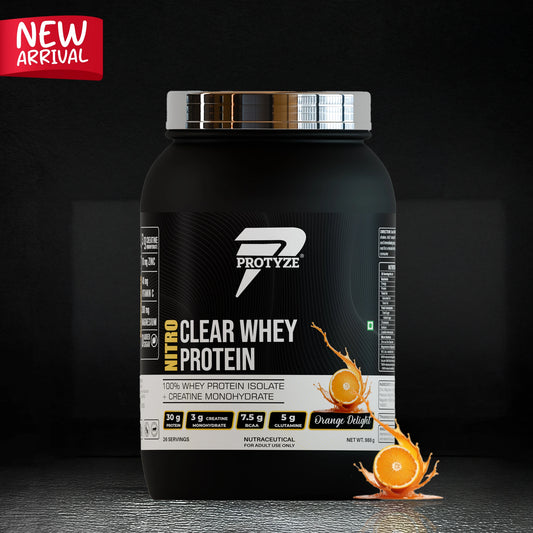
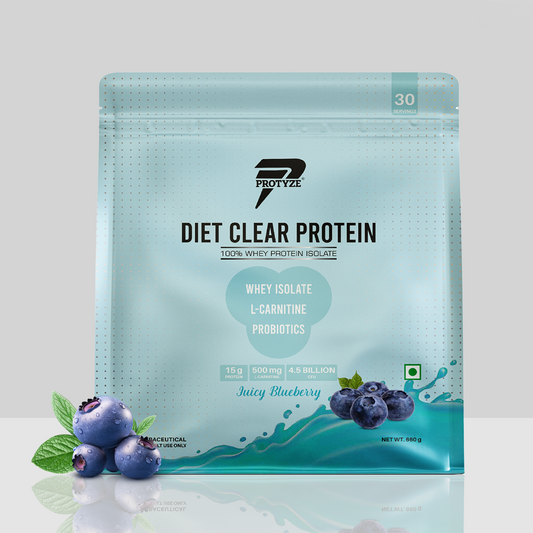
Why Protyze Anytime Clear Whey Protein Is Built for Modern Lifestyles
If convenience is your barrier, formulation matters.
Protyze Anytime Clear Whey Protein is designed differently:
✔ 24g High-Quality Protein Per Serving
Including:
- 7.2g BCAAs
- 3.8g leucine (key trigger for muscle protein synthesis)
✔ Low Carbs & Low Fat
Ideal for:
- Fat loss
- Cutting phases
- Lean muscle building
✔ 99% Lactose-Free
- No fillers
- No thickeners
- No added sugar
- No artificial colors
✔ India’s First Patented Clear Whey Protein
Instead of a thick shake, it’s:
- Light
- Juice-style
- Refreshing
- Easy to sip daily
This makes it suitable for:
- Post-workout recovery
- Mid-day protein boost
- Intermittent fasting windows
- Evening hunger control
Is Whey Protein Safe?
High-quality whey protein isolate is safe for healthy individuals when consumed within recommended protein limits.
It is simply filtered milk protein — not a steroid, not a synthetic muscle booster.
The key is choosing:
- Transparent brands
- Clean ingredient labels
- Tested formulations
The Real Question You Should Ask
Not:
“Do I need protein supplements?”
But:
👉 “Am I consistently hitting my daily protein requirement?”
If yes — supplements are optional.
If no — and you want:
- Lean muscle
- Faster fat loss
- Better recovery
- Improved metabolic health
Then adding a high-quality whey isolate like Protyze Anytime Clear Whey Protein becomes a strategic upgrade.
Conclusion
Protein supplements are not compulsory.
They are not magic.
But for modern, busy lifestyles — they are one of the most practical nutrition tools available.
If your goals include:
- Lean muscle gain
- Sustainable fat loss
- Better performance
- Long-term strength
Then bridging your protein gap could be the simplest improvement you make this year.
FAQ'S
1. Do I really need protein supplements to build muscle?
No, protein supplements are not mandatory if you consistently meet your daily protein needs from whole foods. However, whey protein makes it easier to reach optimal intake for muscle growth, especially if you train regularly or struggle to consume enough protein from meals.
2. How much protein do I need per day for muscle gain and fat loss?
Most active individuals need 1.6–2.2 grams of protein per kilogram of body weight per day for muscle gain and fat loss. Sedentary individuals may require around 0.8–1 gram per kilogram.
3. Is whey protein necessary for beginners?
Whey protein is not compulsory for beginners, but it helps ensure adequate protein intake. If you’re new to fitness and unable to meet your protein requirements through diet alone, a whey isolate supplement can support recovery and lean muscle development.
4. Can I lose weight without protein supplements?
Yes, weight loss is possible without supplements. However, higher protein intake improves satiety, reduces cravings, and helps preserve muscle mass during calorie deficits — making fat loss more effective.
5. Is whey protein safe for daily consumption?
High-quality whey protein isolate is safe for healthy individuals when consumed within recommended daily protein limits. It is simply filtered milk protein and does not harm kidneys in healthy people.
6. What is the difference between whey concentrate and whey isolate?
Whey isolate contains:
- Higher protein percentage
- Lower lactose
- Lower fat and carbohydrates
- Faster absorption
This makes isolate more suitable for fat loss, cutting phases, and lactose-sensitive individuals.
7. When is the best time to take whey protein?
The best time depends on your goal:
- Post-workout for muscle recovery
- Between meals to control hunger
- During calorie deficits to preserve lean mass
- Within eating windows for intermittent fasting
8. Can protein supplements replace whole foods?
No. Protein supplements should complement a balanced diet. Whole foods provide fiber, micronutrients, and healthy fats that supplements alone cannot replace.