
Building lean muscle requires consistent strength training, enough protein, sufficient calories, and proper recovery. Two popular choices for supporting muscle gain are whey protein and peanut butter. While both can be part of a muscle-building diet, they provide different nutrients.
Whey protein is mainly used to increase protein intake, while peanut butter provides protein along with fats and calories. Here is how they differ based on your muscle-building needs.
Quick Answer
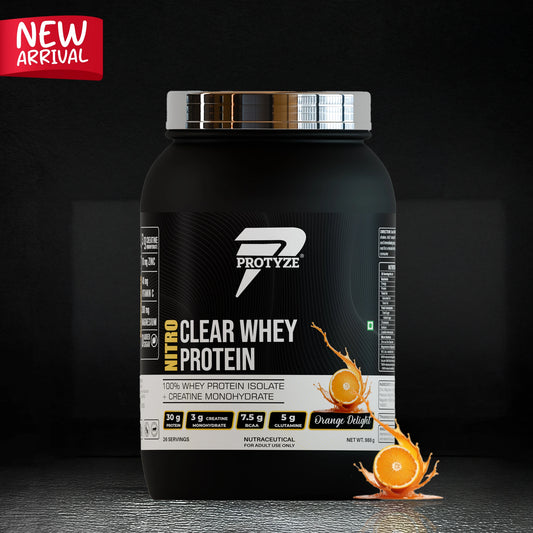
Whey protein supports lean muscle gain with high-quality protein, while peanut butter adds calories and healthy fats. Creatine monohydrate can support strength and training performance when combined with regular resistance training.
What Is Whey Protein?
Whey protein is derived from milk during the cheese-making process. It’s a complete protein, meaning it contains all nine essential amino acids your body needs for muscle repair and growth.
Whey protein comes in different forms concentrate, isolate, and hydrolysate but whey protein isolate is considered the purest, fastest-digesting version, with minimal lactose and fat.
Benefits of Whey Protein:
- High-quality protein: Contains all essential amino acids.
- Fast absorption: Ideal for post-workout recovery.
- Supports lean muscle: Low in fat and carbs, high in protein.
- Boosts metabolism: Helps your body burn more calories even at rest.
Because of its rapid digestion, whey protein is best consumed after workouts, when your muscles are primed to absorb nutrients and begin recovery.
Who Should Take Whey Protein?
Whey protein is suitable for people who exercise regularly and find it difficult to meet their daily protein needs through food alone. It can be particularly convenient after workouts or between meals.
For people involved in regular exercise, a daily protein intake of approximately 1.4–2.0 g per kg of body weight can support muscle growth and recovery.
Whey protein is also useful when you want to increase protein intake without adding a large amount of fat or calories to your diet.
Who Should Avoid Whey Protein?
People with a milk-protein allergy should avoid whey protein. Those who experience digestive problems with dairy should choose a suitable whey type or discuss alternatives with a healthcare professional.
If you have been advised to restrict protein or dairy products for a medical reason, consult a healthcare professional before using whey protein.
How Much Whey Protein Do We Need to Take?
The amount depends on your overall protein intake. A typical serving can provide around 20–40 g of protein, depending on the product and your individual requirements.
Remember that whey protein is a supplement, not a replacement for balanced meals. Your total daily protein intake matters more than simply increasing the number of servings.
What Time Should We Take Whey Protein?
Whey protein can be taken before or after a workout. Taking protein around your training session can be convenient for supporting recovery, but there is no need to focus only on a narrow post-workout window.
You can also take it between meals when your regular diet does not provide enough protein.
What Is Peanut Butter?
Peanut butter is a natural spread made from roasted peanuts. It’s rich in healthy fats, protein, fiber, and several vitamins and minerals.
Unlike whey, peanut butter is not a complete protein it lacks some essential amino acids like methionine but it provides valuable calories for energy and helps support overall nutrition.
Benefits of Peanut Butter:
- Good source of healthy fats: Helps support hormones that regulate muscle growth.
- Moderate protein: Around 8g per 2 tablespoons.
- High calorie density: Useful for those trying to gain weight.
- Contains micronutrients: Magnesium, vitamin E, and potassium aid muscle function.
Peanut butter works best as a supplementary food, adding calories and healthy fats to your diet not as your main source of protein.
Nutritional Comparison: Whey Protein vs Peanut Butter
Here’s a quick look at how both stack up nutritionally (per serving):
|
Nutrient |
Whey Protein (1 scoop) |
Peanut Butter (2 tbsp) |
|---|---|---|
|
Calories |
~100–120 |
~190–200 |
|
Protein |
20–25g |
7–8g |
|
Fat |
0.5–2g |
16g |
|
Carbohydrates |
1–3g |
6–8g |
|
Sugar |
0–1g |
2–3g |
|
Digestion Speed |
Fast |
Slow |
|
Amino Acids |
Complete |
Incomplete |
This shows that whey protein is more efficient for building lean muscle due to its higher protein-to-calorie ratio and amino acid content. Peanut butter, on the other hand, provides more calories and healthy fats, making it useful for adding energy to your meals but not ideal as your main protein source.
Who Should Take Peanut Butter?
Peanut butter can be useful for people who need additional calories while trying to gain muscle. It contains protein and healthy fats, making it an easy addition to meals and snacks.
It can be combined with foods such as whole-grain bread, oats, or fruit to increase the calorie content of a meal.
Who Should Avoid Peanut Butter?
People with a peanut allergy should avoid peanut butter completely. Since peanut butter is calorie-dense, people trying to control their calorie intake should also pay attention to portion sizes.
If you have specific dietary restrictions, follow the advice provided by your healthcare professional.
How Much Peanut Butter Do We Need to Take?
A practical serving is around 1–2 tablespoons, depending on your calorie requirements and overall diet.
For lean muscle gain, peanut butter should be viewed mainly as a source of calories and fats rather than your primary protein source.
What Time Should We Take Peanut Butter?
There is no specific time when peanut butter must be consumed. You can have it with breakfast, as a snack, or as part of another meal.
The most important factor is your overall daily calorie and protein intake, rather than the exact timing.
Whey Protein vs Peanut Butter for Muscle Gain
If your main goal is to increase protein efficiently, whey protein is generally the better option. It provides a concentrated source of high-quality protein without the relatively high fat and calorie content of peanut butter.
Peanut butter is more useful when you need additional calories and fats as part of your muscle-building diet.
You can also include both. Whey protein can help you reach your protein target, while peanut butter can contribute additional calories and fats.
Where Does Creatine Fit In?
Creatine monohydrate is another popular option for people involved in strength training. It is one of the most researched forms of creatine and can support strength, high-intensity exercise performance, and lean body mass when combined with resistance training.
A commonly used daily amount is 3–5 g of creatine monohydrate. Whether you choose creatine powder, a creatine monohydrate supplement, or a supplement with creatine, check the serving size on the product label.
For people looking for protein supplements to gain muscle, the foundation should still be adequate protein, progressive resistance training, sufficient calories, and recovery.
Conclusion
Whey protein and peanut butter can both support a muscle-building diet, but they serve different purposes. Whey protein is better for increasing protein intake efficiently, while peanut butter is better for adding calories and healthy fats.
For lean muscle gain, choose based on what your diet needs. If you struggle to get enough protein, whey protein may be more useful. If you need additional calories, peanut butter can be a helpful addition.