
When it comes to building muscle, most people focus on Whey protein, training, and supplements but there’s another crucial piece of the puzzle that often gets overlooked: micronutrients.
Vitamins and minerals may not get the same attention as protein or creatine, but they play a vital role in how your muscles grow, recover, and perform. Without them, even the best workout routine or diet won’t give you the results you’re aiming for.
Let’s break down the most important vitamins and minerals for muscle growth and performance, why they matter, and how to include them in your daily nutrition plan.
Why Micronutrients Matter for Muscle Growth
Your body’s ability to gain muscle doesn’t depend only on how much protein you eat it depends on how well your body can use that protein.
This process, known as protein synthesis, requires various vitamins and minerals to support:
- Energy production
- Muscle contraction and relaxation
- Hormone balance
- Recovery and repair
- Immune function
If you’re deficient in any of these nutrients, you might feel fatigued, recover slowly, or struggle to gain muscle despite eating enough calories and protein.
That’s why a balanced intake of micronutrients is just as important as macronutrients like protein, carbs, and fats.
1. Vitamin D – The Strength Vitamin
Vitamin D is often called the “sunshine vitamin,” and it plays a powerful role in muscle strength and recovery.
It helps regulate calcium and phosphate levels, which are essential for muscle contraction. Studies have shown that people with higher vitamin D levels tend to have better muscle performance and reduced risk of injuries.
Benefits for muscle growth:
- Enhances muscle strength and endurance
- Supports bone health
- Improves testosterone levels naturally
- Reduces fatigue and inflammation
Sources:
Sunlight is your best natural source. You can also get vitamin D from eggs, fish, and fortified dairy.
However, many people still fall short, especially during winter. That’s why maintaining a balanced, nutrient-rich diet along with functional supplements that support recovery is important throughout the year.
2. Vitamin C – The Recovery Booster
Vitamin C is best known for its immune-boosting properties, but it also supports collagen production, which keeps your muscles, tendons, and ligaments strong.
After a tough workout, vitamin C helps reduce oxidative stress and inflammation, speeding up recovery and protecting your muscles from damage.
Benefits for muscle growth:
- Reduces muscle soreness
- Speeds up recovery after exercise
- Protects muscles from oxidative stress
- Supports connective tissue repair
Sources:
Citrus fruits, bell peppers, kiwi, and strawberries are all rich in vitamin C.
For active individuals, a hydration-supporting supplement like Protyze Hydra Clear Whey Protein can also help replenish electrolytes and provide additional vitamin C (40mg per serving), making it an ideal post-workout recovery drink.
3. Vitamin B Complex – The Energy Providers
B vitamins including B1, B2, B3, B6, B9, and B12 play a central role in turning food into energy. They also help produce red blood cells, which deliver oxygen to working muscles during workouts.
Without enough B vitamins, you’ll likely feel tired, weak, and struggle with endurance.
Benefits for muscle growth and performance:
- Supports energy metabolism
- Reduces fatigue and tiredness
- Aids in red blood cell production
- Enhances nutrient absorption
Sources:
Whole grains, eggs, lean meats, leafy vegetables, and dairy.
For vegetarians or those with limited intake of animal foods, supplementing with B12 may be particularly important since it’s mostly found in non-vegetarian sources.
4. Calcium – The Muscle Contraction Mineral
Most people associate calcium with bone health, but it’s equally critical for muscle function. Every muscle contraction in your body from lifting weights to walking depends on calcium.
A lack of calcium can lead to cramps, muscle weakness, or slower recovery.
Benefits for muscle growth:
- Supports strong bones and joints
- Regulates muscle contraction and relaxation
- Reduces cramping during workouts
Sources:
Milk, paneer, yogurt, and fortified plant milks.
Calcium also works best when paired with vitamin D, which helps your body absorb it efficiently a reason why maintaining both nutrients together is key for performance and recovery.
5. Magnesium – The Recovery and Relaxation Mineral
Magnesium is a powerful mineral that supports more than 300 enzymatic reactions in your body, including those responsible for muscle contraction, energy production, and relaxation.
It also helps reduce post-workout soreness and supports better sleep two essential factors for muscle recovery.
Benefits for muscle growth:
- Improves energy and endurance
- Reduces cramping and fatigue
- Enhances muscle recovery and sleep quality
- Supports protein synthesis
Sources:
Nuts, seeds, dark chocolate, and leafy green vegetables.
Athletes or heavy lifters often lose magnesium through sweat, which is why hydration and electrolyte balance become crucial. A functional recovery formula like Protyze Hydra-X Clear Whey Protein, which includes electrolytes and glutamine, can help maintain mineral balance and promote faster muscle repair.
6. Zinc – The Hormone Regulator
Zinc might not be discussed as often as other nutrients, but it’s essential for testosterone production, protein synthesis, and immune health all vital for muscle growth.
Zinc also supports the repair of muscle tissue after intense exercise.
Benefits for muscle growth:
- Boosts testosterone naturally
- Aids protein synthesis and recovery
- Strengthens immune function
- Improves cell regeneration
Sources:
Whole grains, nuts, seeds, eggs, and shellfish.
Even a mild zinc deficiency can impact muscle-building progress and slow down recovery, so including zinc-rich foods or balanced nutrition is key.
7. Iron – The Oxygen Transporter
Iron is essential for carrying oxygen to your muscles through hemoglobin, a protein found in red blood cells. Low iron levels mean less oxygen reaches your muscles, leading to fatigue, weakness, and reduced performance.
Benefits for muscle growth:
- Improves oxygen flow to muscles
- Enhances endurance and strength
- Reduces tiredness
Sources:
Spinach, lentils, red meat, and fortified cereals.
Women, in particular, need to pay attention to iron intake since they are more prone to deficiency.
8. Potassium – The Hydration Mineral
Potassium works closely with sodium to regulate muscle contractions and fluid balance. It helps prevent cramps, fatigue, and muscle stiffness, especially during long workouts.
Benefits for muscle growth:
- Prevents muscle cramps
- Maintains fluid and electrolyte balance
- Supports nerve and muscle function
Sources:
Bananas, sweet potatoes, avocados, and coconut water.
For those who train intensely or sweat a lot, a product like Protyze Hydra Clear Whey Protein which includes 810mg of electrolytes (sodium, potassium, and magnesium) can help replenish these minerals efficiently while supporting muscle recovery.
9. Selenium – The Antioxidant Powerhouse
Selenium helps protect muscles from oxidative stress caused by intense exercise. It works with vitamin E to neutralize free radicals, reducing muscle damage and inflammation.
Benefits for muscle growth:
- Reduces muscle inflammation
- Enhances endurance
- Supports thyroid function and metabolism
Sources:
Brazil nuts, sunflower seeds, fish, and eggs.
A single Brazil nut can provide your daily selenium requirement, making it a great addition to your winter snack list.
10. Phosphorus – The Energy Partner
Phosphorus works hand-in-hand with calcium and plays a key role in ATP production your body’s main source of energy. Without enough phosphorus, your muscles can feel weak or recover slowly after exercise.
Benefits for muscle growth:
- Improves energy metabolism
- Supports bone and muscle health
- Aids recovery after workouts
Sources:
Dairy, lentils, and lean meats.
How to Combine Protein with Vitamins and Minerals
While vitamins and minerals are critical, they work best when your diet includes enough high quality protein. Without protein, your body doesn’t have the amino acids it needs to build muscle no matter how many micronutrients you consume.
For optimal performance and recovery, consider combining these nutrients with functional protein sources that fit your lifestyle.
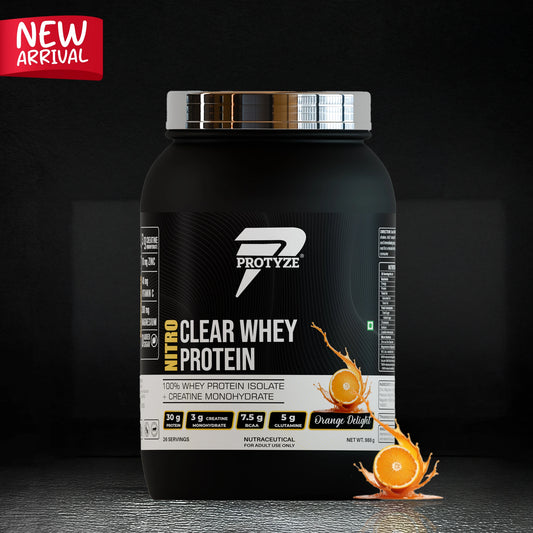
For instance, after workouts or long training sessions, Protyze Nitro Clear Whey Protein provides 30g of fast-absorbing protein along with creatine and glutamine nutrients that directly support recovery, muscle repair, and performance.
If you train outdoors or during hot conditions, Protyze Hydra-X Clear Whey Protein delivers protein plus electrolytes and key minerals to help you rehydrate and rebuild simultaneously, ensuring your body performs at its best.
How to Get the Right Balance Daily
A balanced diet rich in whole foods should always be your foundation. Here’s how you can easily include these nutrients every day:
- Morning: Eggs with whole grain toast (Vitamin D, B vitamins, zinc)
- Midday: Lentil soup or paneer with vegetables (iron, calcium, magnesium)
- Snack: Handful of nuts or a clear whey protein drink (magnesium, electrolytes, amino acids)
- Dinner: Grilled chicken or tofu with greens (B vitamins, zinc, phosphorus)
- Post-workout: Protyze Nitro Clear Whey Protein or Hydra-X Clear Whey Protein for rapid recovery
This balance ensures you’re nourishing your body not just for aesthetics but for long-term strength and performance.
Conclusion
Building muscle isn’t just about lifting heavier or eating more protein it’s about giving your body everything it needs to perform and recover efficiently.
Vitamins and minerals may be “small” nutrients, but their impact is massive. They support energy, repair tissues, enhance endurance, and protect your muscles from fatigue and damage.
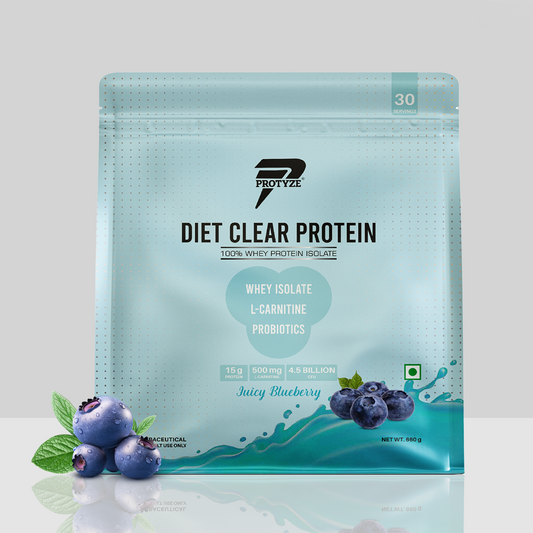
By eating a varied, balanced diet and including smart, functional nutrition like Protyze Clear Whey Proteins you can make sure your body gets the complete support it needs to grow stronger, perform better, and recover faster.
Because true performance doesn’t just come from the gym it comes from nutrition that works at every level of your body.