
Few things feel as satisfying in the gym as a strong-arm pump. Full biceps, tight triceps, visible veins it’s often seen as a sign of a great workout.
This is why many lifters experiment with intra-workout nutrition and ask an important question:
Does intra-workout protein actually improve muscle pump in arms, or is it just hype?
The answer isn’t a simple yes or no. Intra-workout protein doesn’t create a pump on its own, but under the right conditions, it can support better muscle fullness, endurance, and recovery during high-volume arm training. Let’s break this down in a simple, practical way.
What Is an Intra-Workout Pump?
A muscle pump happens when blood, water, and nutrients rush into working muscles during resistance training. In arm workouts, this usually occurs during:
- High-rep biceps curls
- Triceps pushdowns
- Supersets and drop sets
- Short rest periods
The pump is caused by increased blood flow and temporary muscle swelling not muscle growth itself. However, a better pump often allows you to train harder and longer.
What Is Intra-Workout Protein?
Intra-workout protein refers to consuming protein during your workout, rather than before or after. This is usually done in the form of:
- Fast-absorbing protein
- Light, easy-to-digest liquids
- Small amounts taken during long or intense sessions
The goal isn’t to replace meals but to support muscles while they are actively under stress.
What Happens to Arm Muscles During High-Volume Training
Arm workouts, especially pump-focused sessions can be very demanding. During these workouts:
- Muscles repeatedly contract and relax
- Blood flow increases dramatically
- Amino acids are used quickly
- Muscle protein breakdown rises
When volume is high and rest is short, muscles can start running low on available amino acids. This is where intra-workout nutrition becomes relevant.
Does Intra-Workout Protein Directly Increase Muscle Pump?
Intra-workout protein does not directly cause a pump the way carbs, sodium, or nitric oxide boosters do. However, it can support the conditions that help maintain a pump, especially in longer sessions. Here’s how.
How Intra-Workout Protein Can Support a Better Arm Pump
1. Helps Reduce Muscle Breakdown During Training
During long arm workouts, muscle protein breakdown can increase. Providing amino acids during training may help reduce this breakdown, allowing muscles to stay fuller and perform better throughout the session.
2. Supports Muscle Endurance
When muscles are supported nutritionally, fatigue may set in slightly later. This can help you push extra reps or maintain intensity, indirectly improving the quality of your pump.
3. Improves Blood Flow Efficiency
While protein itself doesn’t increase blood flow, having amino acids available can support muscle function during repeated contractions, helping maintain muscle tightness and fullness during sets.
4. Helps Recovery Start Earlier
Intra-workout protein begins the recovery process before the workout even ends. This can reduce excessive muscle breakdown and improve how arms feel later in the session.
When Intra-Workout Protein Makes the Most Sense
Intra-workout protein is not necessary for everyone. It becomes more useful in specific situations, such as:
- High-volume arm days
- Long workouts (60–90 minutes)
- Drop sets, supersets, and pump-focused training
- Training during calorie deficit phases
- Back-to-back training days
For short or low-volume sessions, post-workout protein is usually enough.
Why Protein Type Matters During Workouts
During training, digestion slows down slightly as blood is redirected to muscles. This makes heavy or slow-digesting protein a poor choice intra-workout. Fast-absorbing, light protein formats work better because they:
- Digest quickly
- Don’t cause stomach discomfort
- Are easier to sip during training
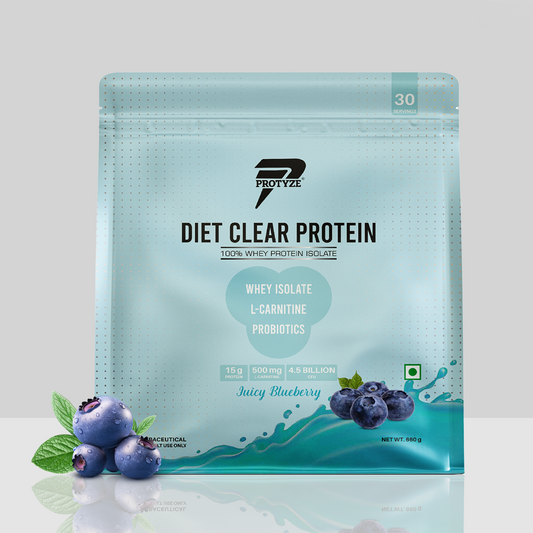
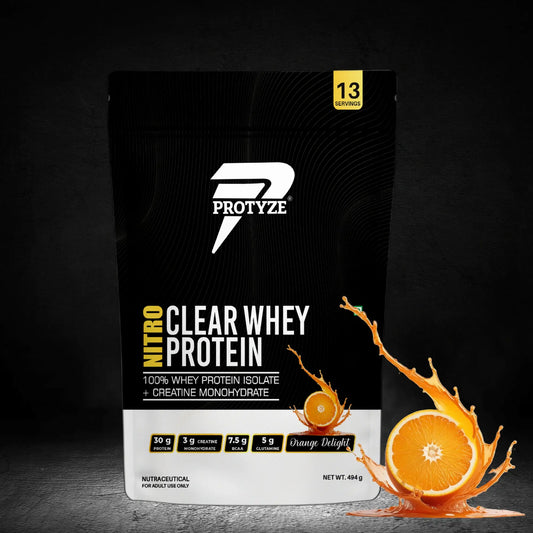
Clear, water-based protein options are especially suitable here. For example, clear whey protein formats like those from Protyze are designed to be light, fast absorbing, and easy to consume mid-workout without heaviness making them more practical for pump-focused sessions.
Intra-Workout Protein vs Carbs for Muscle Pump
It’s important to understand the difference:
- Carbohydrates help increase muscle pump by replenishing glycogen and drawing water into muscles
- Protein helps support muscle integrity and reduce breakdown
For the best pump and performance, many lifters prioritize carbs for pump and use protein as support, not the main driver.
How Much Intra-Workout Protein Is Enough?
You don’t need large amounts. A small serving is usually sufficient to:
- Supply amino acids
- Support endurance
- Avoid digestive stress
More is not better during training, comfort and consistency matter more.
Common Mistakes With Intra-Workout Protein
Some people don’t see benefits because they:
- Use thick, heavy protein shakes
- Consume too much protein during training
- Ignore hydration and electrolytes
- Expect protein alone to create a pump
Intra-workout protein works best as part of a balanced training and nutrition strategy.
So, Does Intra-Workout Protein Improve Arm Pump?
Intra-workout protein doesn’t magically inflate your arms. But during long, intense, high-volume arm workouts, it can:
- Help maintain muscle fullness
- Reduce breakdown
- Support endurance
- Improve overall training quality
When used correctly, it supports the environment that allows better pumps to happen especially when combined with proper hydration, carbs, and smart training.
Conclusion
If your arm workouts are short and simple, intra-workout protein may not make a noticeable difference. But if you train arms with high volume, short rest, and intense pump-focused methods, best intra-workout protein can be a useful support tool. The key is choosing a fast-absorbing, light protein that doesn’t interfere with digestion or training flow. When recovery starts early and muscles are supported during stress, performance and pumps often improve naturally. As always, the real results come from consistent training, smart nutrition, and listening to how your body responds.