
Indian summers can be intense, with temperatures often crossing 35–45°C in many regions. Training in such heat places additional stress on the body because you lose large amounts of water and electrolytes through sweat.
This is why many people experience during summer workouts:
- Sudden fatigue
- Muscle cramps
- Dizziness or headaches
- Low endurance
- Poor workout performance
The reality is that summer workouts require a different nutrition strategy compared to cooler seasons.
The right pre-workout and post-workout nutrition during hot weather helps you:
- Maintain hydration
- Prevent electrolyte imbalance
- Improve workout performance
- Support muscle recovery
- Avoid dehydration and heat exhaustion
In this guide, we’ll explain what to eat before and after workouts in summer, along with hydration strategies and electrolyte support for training in hot weather.
Why Summer Workout Nutrition Is Different
When you exercise in heat, your body works harder to regulate temperature.
- During summer workouts:
- Sweat production increases significantly
- Electrolytes are lost faster
- Body temperature rises quickly
- Muscles fatigue sooner
If hydration and nutrition are not managed properly, performance can drop quickly.
Common mistakes during summer workouts include:
- Exercising on an empty stomach
- Drinking only plain water
- Ignoring electrolyte replenishment
- Eating heavy meals before training
Instead, summer workout nutrition should focus on:
- Hydration
- Electrolyte balance
- Easily digestible carbohydrates
- Light protein sources
What to Eat Before a Workout in Summer
The goal of pre-workout nutrition during hot weather is to provide energy without making you feel heavy or bloated.
Ideally, you should eat 30–60 minutes before training.
Best Pre-Workout Foods for Summer
1. Banana with Peanut Butter
Bananas are rich in potassium, which helps maintain muscle function and prevent cramps during sweaty workouts.
Benefits include:
- Quick carbohydrates for energy
- Natural electrolytes
- Easy digestion
2. Oats with Yogurt
Oats combined with yogurt provide a balanced mix of:
- Slow-release carbohydrates
- Protein
- Probiotics for digestion
This combination helps maintain steady energy levels during workouts.
3. Coconut Water
Coconut water is a natural source of electrolytes such as potassium and sodium.
It helps support hydration and prepares the body for workouts in hot weather.
4. Fruit Smoothies
A smoothie made with fruits like banana, berries, or mango blended with yogurt or milk provides quick energy and hydration before training.
Ideal Pre-Workout Nutrition Timing
|
Time Before Workout |
Recommended Food |
|
60 minutes |
Oats with yogurt |
|
45 minutes |
Fruit smoothie |
|
30 minutes |
Banana with peanut butter |
|
15 minutes |
Coconut water |
Avoid heavy or oily meals before workouts as they can cause digestive discomfort and sluggishness, especially in hot weather.
What to Eat After a Workout in Summer
After exercising in heat, your body needs to replenish:
- Lost fluids
- Electrolytes
- Glycogen (energy stores)
- Muscle protein
The post-workout recovery window (30–60 minutes) is important for restoring energy and supporting muscle repair.
Best Post-Workout Foods for Summer
1. Protein Smoothies
A smoothie with whey protein, banana, and ice helps deliver protein and carbohydrates while also providing hydration.
2. Grilled Chicken with Rice
This meal provides:
- Lean protein for muscle repair
- Carbohydrates for replenishing energy stores
It is a simple and balanced post-workout option.
3. Watermelon or Hydrating Fruits
Water-rich fruits such as watermelon, oranges, and papaya help restore hydration and provide natural sugars for recovery.
Summer Electrolytes and Hydration Support
Electrolytes are minerals that regulate hydration, muscle contraction, and nerve function.
During intense summer workouts, the body primarily loses:
|
Electrolyte |
Role in the Body |
|
Sodium |
Maintains fluid balance |
|
Potassium |
Prevents muscle cramps |
|
Magnesium |
Supports muscle relaxation and recovery |
If these electrolytes are not replenished, it can lead to:
- Fatigue
- Muscle cramps
- Dehydration
- Reduced workout performance
For athletes and fitness enthusiasts training in hot weather, hydration products designed for electrolyte support can be beneficial.
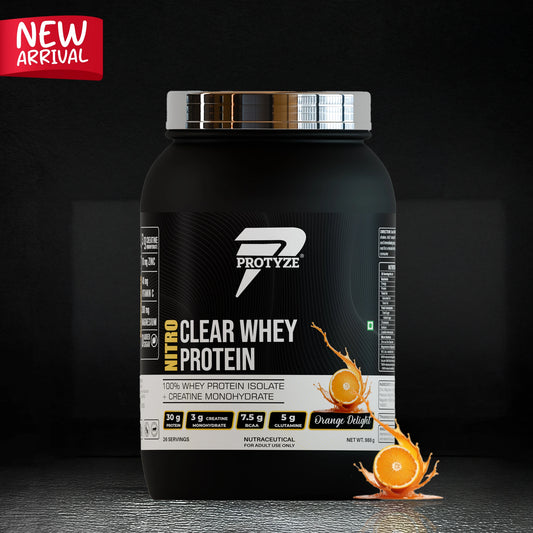
Hydra Clear Whey Protein is designed to support both hydration and protein intake, making it suitable for summer workouts. Unlike traditional thick protein shakes, it has a light, refreshing, juice-like texture, which makes it easier to consume during or after workouts in hot weather.
Because it combines protein with hydration-focused electrolytes, it can help support recovery while also addressing fluid and electrolyte loss during sweaty training sessions.
Hydration Strategy for Summer Training
A simple hydration routine can help maintain performance during hot weather workouts.
|
Timing |
Hydration Recommendation |
|
30 minutes before workout |
300–400 ml water |
|
During workout |
150–250 ml every 15–20 minutes |
|
After workout |
400–600 ml water or electrolyte drink |
Signs you may need more hydration include:
- Dark yellow urine
- Headaches
- Muscle cramps
- Sudden fatigue
Maintaining hydration before, during, and after workouts is essential for safe and effective summer training.
Summer Workout Nutrition Mistakes to Avoid
Drinking Only Plain Water
Water alone may not replace the electrolytes lost through sweat during intense workouts.
Skipping Pre-Workout Meals
Working out on an empty stomach in summer can cause dizziness, fatigue, and low endurance.
Consuming Heavy Meals Before Exercise
Large, oily meals slow digestion and can make workouts uncomfortable in hot conditions.
Ignoring Electrolyte Replacement
Without electrolytes, the body struggles to maintain hydration and muscle function.
Sample Summer Workout Nutrition Plan
A simple summer nutrition routine might look like this:
|
Time |
Meal |
|
Morning |
Coconut water and a banana |
|
Pre-workout |
Oats with yogurt |
|
During workout |
Water or electrolyte drink |
|
Post-workout |
Hydra Clear Whey Protein |
|
Lunch |
Rice, grilled chicken, and vegetables |
|
Evening snack |
Fresh fruits |
This type of nutrition plan supports:
- Energy for workouts
- Proper hydration
- Electrolyte balance
- Muscle recovery
Who Needs Summer Workout Nutrition the Most?
This approach is particularly important for:
- Gym-goers training during summer
- Outdoor runners and cyclists
- Athletes training in hot climates
- People exercising in non-AC gyms
- Individuals living in tropical regions like India
Even moderate exercise can result in significant fluid and electrolyte loss during summer.
Final Thoughts
Training during summer can be challenging, but the right nutrition strategy can make a major difference.
By focusing on:
- Hydration
- Electrolyte balance
- Light protein sources
- Easily digestible carbohydrates
you can maintain performance and recover effectively even during hot weather workouts.
Foods like bananas, coconut water, yogurt, hydrating fruits, and balanced meals, combined with hydration-focused supplements such as Hydra Clear Whey Protein, can support both performance and recovery during summer training.
When workouts feel unusually exhausting during hot weather, the issue is often hydration and electrolyte balance rather than fitness level.
Adjusting your summer workout nutrition can help you stay energized, hydrated, and consistent with your training even in extreme heat.
FAQs
1. What should you eat before a workout in summer?
Before a workout in summer, choose light and easily digestible foods that provide quick energy and hydration. Good options include bananas, oats with yogurt, fruit smoothies, or coconut water. These foods provide carbohydrates for energy and electrolytes like potassium that help prevent muscle cramps during sweaty workouts.
2. What is the best post-workout food in hot weather?
After a summer workout, your body needs protein, carbohydrates, and electrolytes for recovery. Ideal options include grilled chicken with rice, fruit smoothies, hydrating fruits like watermelon, or a refreshing protein drink such as Hydra Clear Whey Protein, which provides protein while supporting hydration.
3. Why do workouts feel harder during summer?
Workouts feel more difficult in summer because the body loses more fluids and electrolytes through sweat. When sodium, potassium, and magnesium levels drop, it can lead to fatigue, muscle cramps, dizziness, and reduced endurance.
4. How much water should you drink during summer workouts?
During summer workouts, it is recommended to drink:
- 300–400 ml water before exercise
- 150–250 ml every 15–20 minutes during workouts
- 400–600 ml after exercise
This helps maintain hydration and supports performance in hot weather.
5. Are electrolytes important for summer workouts?
Yes, electrolytes are extremely important during summer workouts. Sweating causes the body to lose sodium, potassium, and magnesium, which are essential for muscle contraction, hydration, and nerve function. Replenishing electrolytes helps prevent cramps, fatigue, and dehydration.
6. Can you drink protein shakes during summer workouts?
Yes, protein is important for muscle recovery after workouts. However, during summer many people prefer lighter and more refreshing protein drinks instead of thick shakes. Clear whey protein options like Hydra Clear Whey Protein are easier to drink in hot weather because they are light, hydrating, and juice-like.
7. What foods help prevent dehydration during summer workouts?
Foods that help prevent dehydration include:
- Watermelon
- Coconut water
- Oranges
- Yogurt
- Bananas
These foods contain water, natural sugars, and electrolytes, which help maintain hydration levels during hot weather.
8. Is it safe to work out in extreme summer heat?
Yes, but it requires proper precautions such as:
- Staying hydrated
- Consuming electrolytes
- Eating light pre-workout meals
- Training during cooler hours of the day
Ignoring hydration during intense heat can increase the risk of heat exhaustion and dehydration.