
Finishing a workout often feels like the hard part is over. Many people stretch, head home, and move on with their day sometimes without giving much thought to post-workout nutrition. One of the most common questions in fitness is:
Does skipping protein after a workout actually slow muscle growth?
The short answer is yes; it can especially if it becomes a regular habit. But the reason why is more important than the answer itself. Let’s break it down in simple, clear terms so you understand what really happens inside your body when protein is missed after training.
What Happens to Your Muscles After a Workout
During a workout, especially strength or resistance training, your muscles undergo stress. This stress causes tiny micro-tears in muscle fibers. This process is completely normal and is actually how muscles become stronger and more defined.
After training:
-
Muscle protein breakdown increases
-
Energy stores are depleted
-
The body enters repair mode
To repair and rebuild these muscle fibers, your body needs amino acids, which come from protein.
Why Protein Is Important After a Workout
Protein provides the building blocks your muscles need to repair themselves. When you consume protein after training, it helps:
-
Start muscle repair sooner
-
Reduce muscle breakdown
-
Support muscle growth over time
-
Improve recovery for future workouts
Skipping protein doesn’t mean muscles won’t recover at all but it slows the process and makes recovery less efficient.
Does Skipping Protein After Workout Slow Muscle Growth?
Yes, especially if it happens frequently.
When you skip protein after workouts:
-
Muscle repair is delayed
-
Muscle breakdown may continue longer
-
Recovery takes more time
-
Progress can plateau
Over time, this can result in slower muscle growth, reduced strength gains, and increased soreness particularly if training intensity or frequency is high.
One missed protein intake won’t ruin your progress, but making it a habit can.
Why Timing Matters After a Workout
After exercise, muscles become more sensitive to nutrients. This period is often called the post-workout recovery phase. During this time, the body is more efficient at using protein for repair.
Consuming protein after a workout helps:
-
Deliver amino acids when muscles need them most
-
Shift the body from muscle breakdown to muscle repair
-
Improve overall recovery quality
You don’t need perfect timing, but long delays without protein can slow recovery.
What Happens If You Rely Only on Your Next Meal?
Some people skip protein after workouts thinking their next meal will cover it. While total daily protein intake is important, long gaps after training can still matter.
If the next meal is:
-
Several hours away
-
Low in protein
-
Inconsistent
then muscles may stay in a breakdown state longer than necessary. This is why post-workout protein even a light serving can be helpful.
Does This Apply Only to Bodybuilders?
No. This applies to:
-
Gym-goers
-
People doing strength training
-
Athletes
-
Anyone exercising regularly
Even if your goal isn’t muscle size, protein still supports recovery, strength, and muscle preservation.
What If Protein Feels Heavy After Workouts?
One common reason people skip protein after workouts is digestion discomfort. Thick, milk-based shakes can feel heavy, especially after intense sessions.
When protein feels uncomfortable, people tend to avoid it altogether.
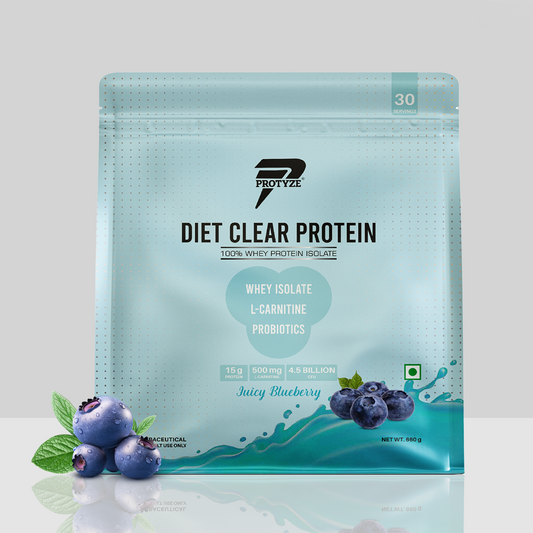
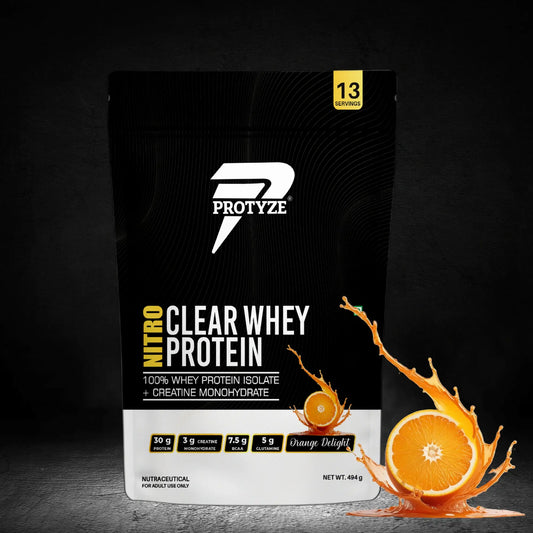
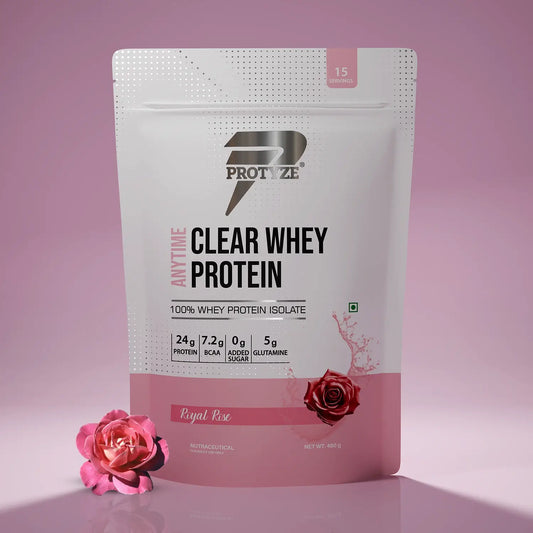
This is where lighter, easy-to-digest options help. Clear whey protein, for example, mixes with water and feels more like a refreshing drink than a heavy shake, making it easier to consume immediately after workouts.
Clear whey protein options like those from Protyze are designed to deliver protein in a lighter format, which can help people stay consistent with post-workout nutrition without digestive discomfort.
How Much Protein Is Enough After a Workout?
You don’t need extreme amounts.
A general guideline:
-
Around 20–30g of protein post-workout works well for most people
-
The exact amount depends on body weight, training intensity, and daily protein intake
What matters most is regularly supporting recovery, not hitting a perfect number every time.
Common Mistakes People Make Post-Workout
Many people unintentionally slow progress by:
-
Skipping protein entirely after workouts
-
Waiting too long before eating
-
Choosing protein they can’t digest comfortably
-
Focusing only on workouts, not recovery
Improving post-workout nutrition often leads to better results than increasing training volume.
Can You Still Build Muscle Without Post-Workout Protein?
Yes, muscle growth is still possible if:
-
Total daily protein intake is adequate
-
Meals are well-balanced
-
Recovery is managed
However, skipping protein after workouts makes the process less efficient, especially for people training frequently or intensely.
Conclusion
So, does skipping protein after a workout slow muscle growth?
It can especially when it becomes a habit.
Protein after workouts helps muscles recover faster, reduces breakdown, and supports steady progress. While one missed serving won’t undo your efforts, consistently skipping post-workout protein can slow recovery and limit results over time.
The key isn’t perfection it’s consistency. Choosing best Indian protein options that are easy to digest and fit naturally into your routine makes it much easier to support recovery and keep progressing.
In the long run, muscle growth isn’t just about how hard you train it’s also about how well you recover.