
If you’ve ever woken up a day or two after a hard workout feeling stiff, sore, and struggling to move normally, you’ve experienced DOMS. That tight, achy feeling in your muscles can make simple tasks like walking downstairs or lifting your arms surprisingly difficult.
Many people assume this soreness means they trained well. While that’s partly true, how you recover after heavy workouts matters just as much as how you train. One of the most important factors in managing DOMS and recovering faster is protein intake.
Let’s break down what DOMS really is, why it happens, and how protein helps your muscles recover after intense training.
What Is DOMS?
DOMS stands for Delayed Onset Muscle Soreness. Unlike the immediate burn you feel during exercise, DOMS usually appears 12 to 48 hours after a workout. It commonly happens after:
- Heavy strength training
- High-volume workouts
- New or unfamiliar exercises
- Eccentric movements (slow, controlled lowering)
DOMS is a natural response to muscle stress, especially when muscles are pushed beyond what they’re used to.
Why Does DOMS Happen After Heavy Workouts?
During heavy or intense workouts, muscle fibers experience tiny micro-tears. This is a normal part of training and is actually how muscles grow stronger over time. After training:
- Muscle tissue becomes inflamed
- Fluid builds up around damaged fibers
- Nerve endings become more sensitive
This combination leads to stiffness, soreness, and reduced range of motion the classic DOMS feeling. DOMS is not a sign of injury, but it does indicate that muscles need proper recovery support.
Why Recovery Matters More Than You Think
Training creates the stimulus for muscle growth, but recovery is where the actual progress happens. Without proper recovery:
- Muscle repair slows down
- Soreness lasts longer
- Performance drops
- Risk of overtraining increases
Nutrition especially protein plays a central role in how quickly muscles recover from DOMS.
Why Protein Is Key After Heavy Workouts
Protein provides amino acids, which are the building blocks your muscles need to repair damaged fibers. After heavy workouts, your body’s demand for these amino acids increases. Protein helps in several important ways:
1. Repairs Muscle Micro-Tears
The soreness you feel during DOMS comes from muscle damage. Protein supplies the raw materials needed to repair these micro-tears and rebuild stronger muscle tissue.
2. Reduces Muscle Breakdown
After intense workouts, muscle protein breakdown can remain elevated. Consuming protein helps shift the body toward repair instead of further breakdown.
3. Speeds Up Recovery
Adequate protein intake supports faster recovery, which can reduce the duration and intensity of soreness.
4. Prepares You for Your Next Workout
Faster recovery means you can train again with better strength and less discomfort, rather than feeling held back by lingering soreness.
Does Skipping Protein Make DOMS Worse?
Skipping protein won’t necessarily cause DOMS, but it can make soreness last longer. When protein intake is low after heavy workouts:
- Muscle repair is delayed
- Inflammation may persist longer
- Recovery feels incomplete
Over time, this can slow progress and increase fatigue, especially if training frequency is high.
Why Protein Digestion Matters After Heavy Training
After intense workouts, digestion can be sensitive. Many people avoid protein because thick shakes feel heavy or uncomfortable when the body is already fatigued.
This often leads to skipping post-workout nutrition entirely, which doesn’t help recovery. Lighter, easier-to-digest protein options make it simpler to support recovery without discomfort. Clear whey protein, for example, mixes with water and feels more like a refreshing drink than a heavy shake.
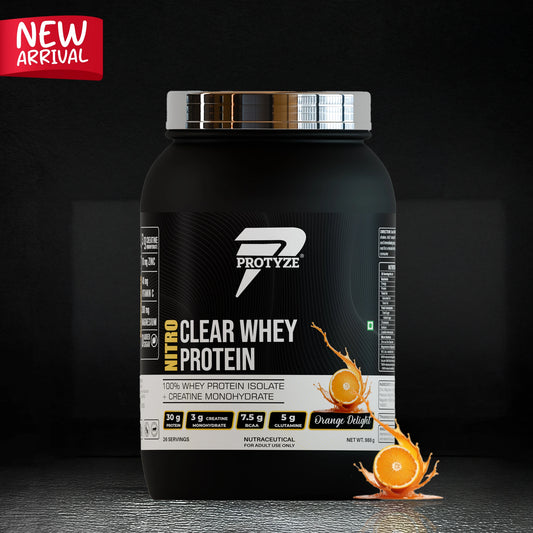
Clear whey protein options like those from Protyze are designed to support recovery in a lighter, more hydration-friendly way, which can be helpful after demanding workouts.
Best Time to Take Protein for DOMS Recovery
While total daily protein intake is important, timing can help recovery feel smoother. Good times to include protein include:
- Soon after heavy workouts
- Within the first hour post-training
- Spread across meals during the day
You don’t need perfect timing just avoid long gaps without protein after intense sessions.
How Much Protein Helps with DOMS Recovery?
Protein needs vary based on training intensity and body weight. A simple guideline:
- Moderate training: 1–1.2g protein per kg body weight
- Heavy or frequent training: 1.4–1.8g per kg
What matters most is consistent intake, not occasional high doses.
Other Factors That Affect DOMS (Besides Protein)
Protein is important, but it works best when combined with:
- Adequate sleep
- Proper hydration
- Light movement or stretching
- Gradual progression in training load
Ignoring these factors can make DOMS feel worse, even with good nutrition.
Common Myths About DOMS and Protein
Myth 1: DOMS means you must train harder next time Not necessarily. Excessive soreness can indicate inadequate recovery.
Myth 2: Protein eliminates DOMS completely Protein helps recovery, but some soreness is still normal.
Myth 3: Only beginners get DOMS Even experienced athletes experience DOMS after heavy or new training.
Conclusion
DOMS is a normal part of training, especially after heavy workouts. It signals that muscles have been challenged and now need proper recovery support. While soreness itself isn’t bad, how long it lasts and how it affects performance depends heavily on recovery habits. Protein plays a key role in repairing muscle damage, reducing breakdown, and supporting faster recovery after intense training.
Choosing protein options that are easy to digest and fit naturally into your routine makes it easier to stay consistent especially when soreness is high. In the end, managing DOMS isn’t about avoiding hard workouts. It’s about recovering smart so you can keep training strong.