
You’re training 4–5 days a week, eating “enough” protein, sleeping 7 hours, but you still wake up sore, tired, and feel like you’re not progressing. Sound familiar? The problem isn’t always quantity it’s protein quality. Here’s the science behind why some proteins help you recover faster and build muscle better and how to fix it in 2026.
Why Protein Quality Matters More Than You Think
Not all proteins are equal. Your body breaks protein into amino acids to repair muscle damage from training. Key factors that determine quality:
- Complete Amino Acid Profile Must have all 9 essential amino acids (EAAs) in good ratios.
- High Leucine Content Leucine is the “trigger” for muscle protein synthesis (MPS). You need ~2.5–3 g leucine per meal to maximise recovery.
- Digestion Speed Fast-digesting proteins (whey) spike amino acids quickly → better post-workout repair.
- Bioavailability How much your body actually absorbs and uses.
Protein Quality Comparison (2025 Data)
| Protein Source | Leucine per 30 g | Complete? | Digestion Speed | Recovery Score (out of 10) |
|---|---|---|---|---|
| Whey Isolate / Clear Whey | 3.0–3.5 g | Yes | Very Fast | 9.5–10 |
| Whey Concentrate | 2.8–3.2 g | Yes | Fast | 8.5–9 |
| Casein (milk protein) | 2.5–2.8 g | Yes | Slow | 7–8 |
| Egg | 2.4–2.7 g | Yes | Medium | 8–9 |
| Soya Isolate | 2.2–2.5 g | Yes | Medium | 7.5–8 |
| Dal + Rice (combined) | 2.0–2.4 g | Yes | Slow | 6.5–7.5 |
| Paneer | 2.0–2.3 g | Yes | Slow | 6–7 |
| Chicken | 2.3–2.6 g | Yes | Medium | 8 |
Clear whey (like Protyze) tops the list highest leucine, fastest absorption, zero lactose bloat.
Signs Your Protein Quality Is Holding Back Recovery
- Soreness lasts 3–4 days instead of 1–2
- Strength plateaus despite consistent training
- Constant fatigue even with good sleep
- Slow progress in muscle size or definition
- Frequent minor injuries or niggles
If you eat mostly dal, paneer, or soya, you’re getting protein, but not the optimal amino profile for fast recovery.
How to Upgrade Your Protein Quality in 2026
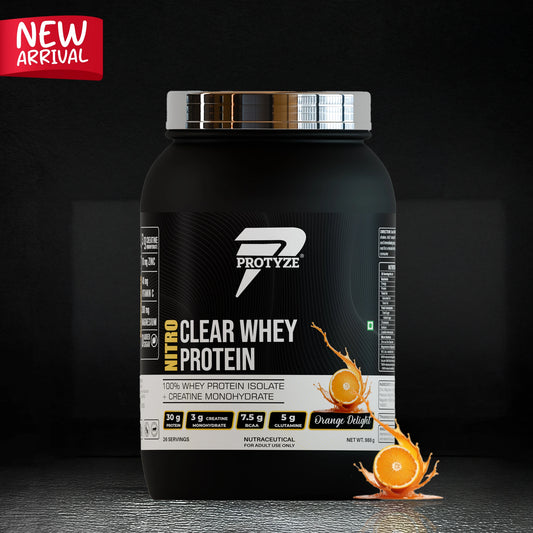
- Add whey isolate/clear whey post-workout → 30 g fast protein + 3 g leucine Protyze Nitro Clear Whey — 30 g protein, tastes like juice, zero bloat.
- Prioritise leucine-rich foods — eggs, chicken, fish, whey
- Combine plant proteins — dal + rice, soya + roti for complete profile
- Spread protein across meals — 30–40 g every 3–4 hours maximises MPS
- Time it right — fast protein (whey) after training, slow (casein/curd) before bed
Sample Recovery-Focused Day (70 kg person)
- Breakfast: 4 eggs + 2 rotis → 35 g
- Mid-morning: Protyze Nitro Clear Whey → 30 g
- Lunch: Dal + rice + chicken/paneer → 55 g
- Post-workout: Protyze Nitro Clear Whey → 30 g
- Dinner: Soya sabzi + curd → 45 g Total → 195 g high-quality protein
Conclusion
If you’re training hard but recovery feels slow, protein quality, not just quantity, is often the missing piece. Upgrade to fast, complete proteins like clear whey isolate (Protyze Nitro) post-workout, combine Indian sources smartly, and watch soreness drop, strength rise, and muscle grow faster. Train hard. Recover smarter.
TL;DR
Poor recovery despite training? Protein quality matters, need high leucine + fast digestion. Clear whey (Protyze ) tops all sources for recovery. Fix: Add clear whey post-workout + complete sources (eggs, chicken, dal+rice) → faster gains.
FAQ'S
1. Can poor protein quality slow muscle recovery even if I consume enough protein?
Answer:
Yes. Muscle recovery depends not just on how much protein you consume, but how well your body absorbs it. Low-quality proteins may lack essential amino acids or digest slowly, delaying muscle repair. High-quality, fast-absorbing proteins like clear whey isolate from Protyze provide complete amino acids with better bioavailability, supporting faster recovery.
2. Why do my muscles stay sore even after taking protein daily?
Answer:
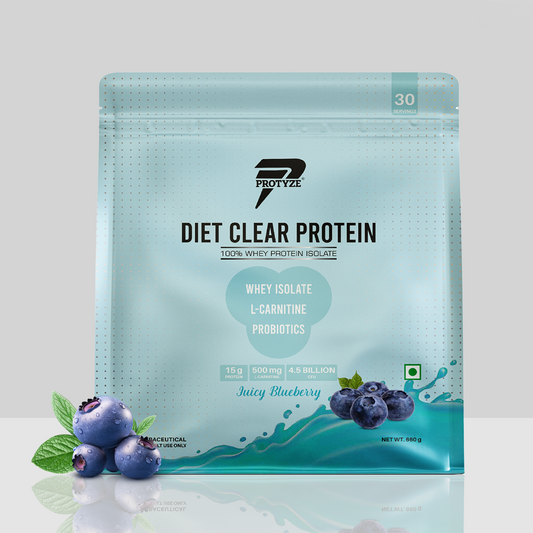
Persistent soreness often indicates poor protein absorption or incomplete amino acid intake. If your protein source is heavy, poorly digestible, or low in leucine, recovery slows down. Switching to a light, isolate-based protein like Protyze Clear Protein can improve digestion, reduce bloating, and accelerate muscle repair.
3. Is whey isolate better than regular whey for workout recovery?
Answer:
Yes. Whey isolate is purer, absorbs faster, and contains minimal lactose and fat—making it ideal for recovery. Regular whey can slow digestion and cause discomfort for some users. Protyze Clear Whey Isolate is designed for rapid absorption, helping muscles recover faster post-training.
4. Can protein digestion issues affect strength gains and performance?
Answer:
Absolutely. If protein isn’t digested efficiently, muscles don’t get the nutrients needed for repair and growth—leading to fatigue and stalled progress. Clear proteins like Protyze, which are lighter and juice-like, are easier on the gut and ensure faster nutrient delivery to muscles.
5. What type of protein is best if I train hard but feel constantly fatigued?
Answer:
If intense training leaves you exhausted, opt for a high-quality, fast-digesting protein with complete amino acids. Avoid heavy blends that cause bloating or sluggishness. Protyze Clear Protein supports quicker recovery, better hydration, and sustained energy without digestive load.