
Feeling bloated after workout sessions can be uncomfortable, especially when you expect exercise to leave you feeling energized. If you experience bloating after exercise, a tight stomach, excess gas, or discomfort, several factors could be responsible.
Stomach bloating after workout can happen due to dehydration, swallowing air, changes in digestion, eating too close to exercise, or consuming certain foods and drinks. Understanding the possible causes can help you manage and prevent post workout bloating.
Quick Answer
Feeling bloated after a workout is usually caused by eating too close to exercise, dehydration, swallowing air, intense workouts, or certain protein shakes and supplements. To reduce post workout bloating, stay hydrated, eat lighter meals before training, drink slowly, and check whether any foods or supplements trigger discomfort.
If bloating is severe, persistent, or accompanied by significant pain, consult a healthcare professional.
What Is Post Workout Bloating?
Post workout bloating is a feeling of fullness, tightness, swelling, or discomfort in the stomach after physical activity. Some people may also experience gas, burping, or abdominal discomfort.
If you're wondering, “why am I bloated after working out?”, the answer may depend on your workout intensity, hydration, food intake, and individual digestion.
Who Can Experience Bloating After Exercise?
Bloating after exercise can affect anyone, but it may be more common among:
- People doing high-intensity workouts
- Long-distance runners and endurance athletes
- Individuals who eat immediately before exercise
- People who drink large amounts of water quickly
- Those consuming protein shakes or supplements that do not suit their digestion
- People with sensitive digestive systems
Causes of Bloating After a Workout
1. Eating Too Close to Your Workout
A large meal before exercise may not have enough time to digest. During intense physical activity, blood flow is redirected toward working muscles, which can affect digestion.
This may contribute to stomach bloating after workout, especially after running, HIIT, or intense strength training.
2. Swallowing Too Much Air
Heavy breathing, drinking quickly, chewing gum, or consuming carbonated drinks can cause you to swallow more air. This trapped air may lead to gas and bloating.
3. Dehydration
Not drinking enough fluids can affect normal digestion. Dehydration may contribute to constipation and digestive discomfort, making you feel bloated.
4. Drinking Too Much Water Too Quickly
Hydration is important, but consuming a very large amount of water in a short period may temporarily cause stomach fullness and discomfort.
Instead of drinking excessive amounts at once, sip fluids gradually before, during, and after your workout.
5. High-Intensity Exercise
Intense exercise can temporarily affect blood flow to the digestive system. This may cause digestive discomfort in some individuals.
If you frequently experience bloating after exercise, consider whether the symptoms occur mainly after particularly intense workouts.
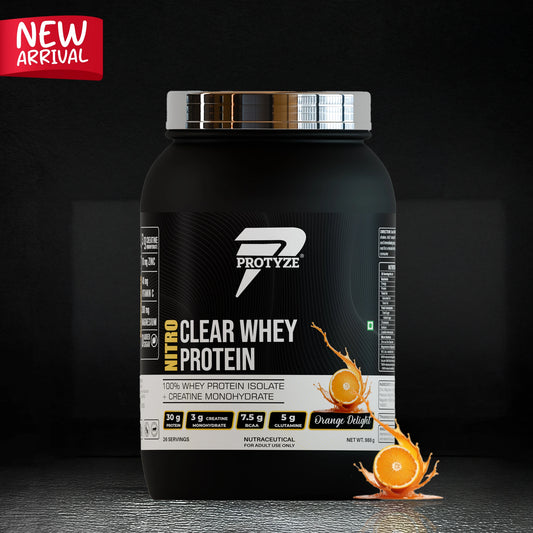
6. Protein Shakes and Supplements
Some protein powders contain ingredients that may cause digestive discomfort in sensitive individuals. Certain sweeteners, sugar alcohols, gums, or lactose-containing products may contribute to gas or bloating.
If you regularly feel bloated after workout protein shakes, check the ingredients and consider whether a different type of protein better suits your digestion.
How to Treat Post Workout Bloating
1. Walk Gently
A short, light walk after exercise may help support normal digestion and relieve the feeling of fullness.
2. Drink Fluids Slowly
Sip water gradually instead of drinking a large quantity at once.
3. Avoid Lying Down Immediately
Remaining upright for some time after eating or exercising may feel more comfortable if you are experiencing bloating.
4. Give Your Body Time
Temporary post workout bloating often improves as your breathing, hydration, and digestion return to normal.
5. Review Your Pre-Workout Meal
If symptoms occur frequently, try adjusting the timing or size of your pre-workout meal. A lighter meal or snack may be easier to tolerate before exercise.
How to Prevent Bloating After Exercise
Stay Properly Hydrated
Drink fluids regularly throughout the day instead of consuming large amounts only during or after your workout.
Avoid Large Meals Before Training
Give yourself enough time to digest a large meal before intense exercise. If needed, choose a lighter snack that suits your body.
Eat Slowly
Eating too quickly can increase the amount of air swallowed and may contribute to bloating.
Check Your Supplements
If a specific protein shake or supplement consistently causes discomfort, review its ingredients. Some people may tolerate different protein sources or formulations better.
Reduce Carbonated Drinks Before Exercise
Carbonated beverages can increase gas in the digestive system and may contribute to a bloated feeling during or after exercise.
Side Effects and When to Seek Medical Advice
Occasional bloating after exercise is often temporary. However, frequent or severe symptoms should not be ignored.
Consider speaking with a healthcare professional if bloating is accompanied by:
- Severe or persistent abdominal pain
- Vomiting
- Blood in stool
- Significant changes in bowel habits
- Unexplained weight loss
- Symptoms that regularly interfere with exercise or daily life
These symptoms may have causes beyond normal bloating after exercise.
Best Time to Eat Around a Workout
The ideal timing depends on the type and size of your meal and your individual tolerance.
A large meal generally needs more digestion time, while a smaller snack may be more comfortable closer to exercise. Experiment with meal timing to find what works best for your body.
After exercise, choose a balanced meal or snack containing protein and carbohydrates based on your nutritional needs.
FAQs
1. Why do I feel bloated after a workout and what are the common causes?
Common causes include eating too close to exercise, dehydration, swallowing air, intense workouts, and certain foods or supplements.
2. Why do I get a bloated stomach after gym workouts?
Heavy exercise can temporarily affect digestion, while large meals, excess water intake, or protein shakes may also cause bloating.
3. What are the best over-the-counter remedies for post-workout bloating available in India?
Depending on the cause, some OTC digestive or anti-gas products may help. Check with a pharmacist or healthcare professional before use.
4. What are the best strategies to prevent post-workout abdominal distension?
Stay hydrated, avoid large meals before training, eat slowly, and identify foods or supplements that trigger bloating.
5. How can I prevent bloating after exercising with diet and supplements?
Choose easily digestible foods, allow enough time between meals and exercise, and check whether your protein supplement causes discomfort.
6. What are immediate remedies for feeling bloated after exercise?
Take a gentle walk, sip water slowly, stay upright, and give your digestive system time to settle.
7. Which fitness apps or services offer advice on reducing post-workout bloating?
Many fitness and nutrition apps provide general dietary and workout guidance. For persistent bloating, professional medical or nutrition advice may be more appropriate.
8. Are certain protein supplements linked to workout bloating?
Yes. Some protein powders containing lactose, sugar alcohols, gums, or certain sweeteners may cause bloating in sensitive individuals.
9. Are there any sports drinks or hydration products that help reduce bloating after workouts?
Proper hydration may help prevent dehydration-related discomfort. Choose drinks that suit your hydration needs and avoid consuming large amounts too quickly.
10. What food choices cause bloating after a workout?
Large meals, high-fat foods, carbonated drinks, and foods that are difficult for you to digest may contribute to post-workout bloating.
Conclusion
Feeling bloated after workout sessions can be frustrating, but it is often linked to factors such as hydration, meal timing, exercise intensity, swallowed air, or certain foods and supplements. Paying attention to your routine can help identify what may be causing your symptoms.
If you're repeatedly asking yourself, “why am I bloated after working out?”, try tracking your meals, fluids, workout intensity, and supplements. Small adjustments can often help reduce bloating after exercise and make your workouts more comfortable.