Whether you're taking whey protein for muscle gain, weight loss, or better recovery, one question comes up repeatedly:
How long does protein powder take to work?
The short answer is that protein powder begins supplying amino acids within 30–90 minutes of consumption. However, noticeable improvements in recovery usually take 1–2 weeks, strength gains become more apparent after 2–4 weeks, and visible muscle growth generally requires 6–8 weeks of consistent training, adequate daily protein intake, and quality sleep.
Protein is not a magic supplement that builds muscle overnight. Instead, it supports your body's natural muscle repair and recovery processes every day. In this guide, you'll learn exactly what happens after drinking protein powder, how long different results take, what affects your progress, and how to maximize your results.
Quick Answer
Protein powder starts working internally within 30–90 minutes by providing amino acids for muscle repair. Most people notice improved recovery within 1–2 weeks, better strength in 2–4 weeks, and visible muscle growth after 6–8 weeks when combined with resistance training and sufficient daily protein intake.
Protein Results at a Glance
| Goal | When You'll Notice Results |
|---|---|
| Muscle recovery | Within 1 week |
| Reduced soreness | 1–2 weeks |
| Increased strength | 2–4 weeks |
| Visible muscle definition | 6–8 weeks |
| Significant body transformation | 8–12 weeks |
What Does "Protein Working" Actually Mean?
Protein doesn't create muscle.
Instead, it helps:
- Repair muscle tissue
- Build new muscle protein
- Reduce muscle breakdown
- Support fat loss
- Improve recovery
- Maintain lean muscle
Protein supports the process of adaptation. Your workouts stimulate muscle growth, while protein provides the building blocks your body needs to recover and grow stronger.
How Protein Powder Works Inside Your Body
30–90 Minutes
- Protein is digested
- Amino acids enter bloodstream
2–4 Hours
- Muscle protein synthesis increases
- Recovery begins
24 Hours
- Muscle repair continues
- Damaged fibres rebuild
Several Days
- Recovery improves
- Less soreness
Several Weeks
- Strength increases
- Muscle growth becomes visible
How Long Does Protein Powder Take for Different Goals?
Muscle Gain
| Timeline | Result |
|---|---|
| Week 1 | Recovery improves |
| Week 2 | Better workouts |
| Week 4 | Strength increases |
| Week 8 | Visible muscle gain |
Athletic Performance
| Timeline | Result |
|---|---|
| Days | Faster recovery |
| Weeks | Better endurance |
| Months | Improved performance |
Factors That Affect How Fast Protein Powder Works
Protein powder doesn't produce the same results for everyone. While it starts supplying amino acids within 30–90 minutes, the speed at which you notice visible improvements depends on several lifestyle and biological factors. Understanding these factors can help you set realistic expectations and get better results from your protein intake.
| Factor | Impact on Results | Why It Matters |
|---|---|---|
| Strength Training | ⭐⭐⭐⭐⭐ Very High | Protein supports muscle repair, but resistance training provides the stimulus for muscle growth. Without regular exercise, results will be limited. |
| Daily Protein Intake | ⭐⭐⭐⭐⭐ Very High | Your total daily protein intake matters more than a single protein shake. Most active adults benefit from 1.2–2.0 g of protein per kg of body weight, depending on their goals. |
| Consistency | ⭐⭐⭐⭐⭐ Very High | Drinking protein occasionally is unlikely to produce noticeable changes. Consistent daily intake combined with regular workouts delivers the best long-term results. |
| Sleep & Recovery | ⭐⭐⭐⭐ High | Most muscle repair happens while you sleep. Poor sleep can slow recovery, reduce muscle growth, and affect workout performance. Aim for 7–9 hours of quality sleep each night. |
| Calorie Intake | ⭐⭐⭐⭐ High | To build muscle, your body needs enough calories in addition to protein. If your goal is fat loss, maintaining a moderate calorie deficit while consuming adequate protein helps preserve lean muscle. |
| Hydration | ⭐⭐⭐ Moderate | Water supports digestion, nutrient transport, and muscle function. Staying hydrated also helps your body process protein efficiently, especially during exercise. |
| Training Experience | ⭐⭐⭐ Moderate | Beginners often notice improvements in strength and muscle definition faster because their bodies adapt quickly to new training. Experienced lifters usually see slower but steady progress. |
| Age | ⭐⭐⭐ Moderate | Younger adults typically recover faster, while older adults may require more consistent protein intake and resistance training to maintain and build muscle mass. |
| Stress Levels | ⭐⭐ Moderate | Chronic stress can increase cortisol levels, which may affect recovery, sleep quality, and muscle-building progress. Managing stress supports better overall results. |
| Genetics | ⭐⭐ Moderate | Genetics influence factors such as muscle-building potential, metabolism, and recovery speed. While you can't change your genetics, consistent training, nutrition, and protein intake help you maximize your individual potential. |
Does Whey Protein Work Faster Than Other Protein Sources?
| Protein | Digestion Speed |
|---|---|
| Whey Isolate | Fast |
| Clear Whey | Fast |
| Concentrate | Moderate |
| Casein | Slow |
| Egg | Moderate |
Does Clear Whey Protein Work Differently?
A common question among fitness beginners is whether clear whey protein works differently from regular whey protein.
The answer is no—when it comes to muscle recovery and muscle growth, clear whey protein provides the same high-quality whey protein isolate as traditional whey isolate. The difference lies in how it's prepared and consumed, not in its ability to support your fitness goals.
Here's how clear whey protein compares:
| Clear Whey Protein | What It Means for You |
|---|---|
| Same high-quality whey protein isolate | Delivers essential amino acids that support muscle repair and recovery. |
| Light, juice-like texture | Feels more like a refreshing drink than a creamy shake. |
| Fast-digesting | Provides quickly absorbed protein after workouts or between meals. |
| Low in lactose and easy to digest | Suitable for many people who find traditional whey shakes heavy. |
| Refreshing flavours | Makes it easier to enjoy protein daily without flavour fatigue. |
Why Does This Matter?
The biggest challenge for many people isn't finding the "best" protein—it's consuming enough protein consistently every day.
If a protein shake feels too heavy, overly sweet, or difficult to digest, it's easier to skip it. Missing your daily protein target regularly can slow your progress, even if you're following a good workout plan.
A lighter, refreshing protein drink can make it easier to stay consistent with your nutrition, especially after workouts, during hot weather, or as a between-meal protein source.
Consistency Is What Delivers Results
Muscle growth doesn't happen because you drink one protein shake. It happens because your body receives enough protein consistently over weeks and months while you train regularly.
Think of it this way:
High-Quality Protein
↓
Supports muscle repair and recovery
Easy to Drink Every Day
↓
Helps you meet your daily protein goal consistently
Consistent Protein Intake
↓
Supports better long-term muscle growth, recovery, and strength gains
This is why choosing a protein that fits your lifestyle can be just as important as choosing one with a good nutrition profile.
Where Does Protyze Anytime Clear Whey Protein Fit In?
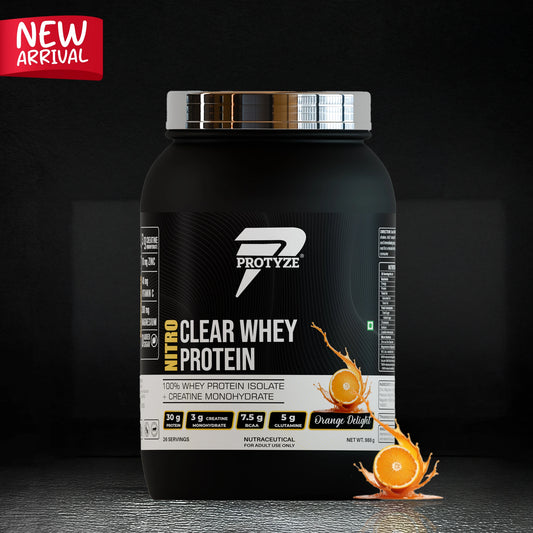
If you prefer a lighter alternative to traditional creamy protein shakes, Protyze Anytime Clear Whey Protein offers 100% whey protein isolate in a refreshing, juice-like format. Its light texture and easy-to-drink flavours can help make it easier to meet your daily protein requirements consistently, particularly for people who don't enjoy conventional milk-based protein shakes.
Regardless of the brand you choose, remember that the best protein powder is the one you can consume consistently alongside a balanced diet and regular resistance training. Long-term consistency—not a single serving—is what leads to noticeable results.
Myths vs Facts
| Myth | Fact |
|---|---|
| Protein builds muscle overnight | Muscle growth takes weeks |
| More protein means faster results | Daily requirements matter more |
| Protein works without exercise | Training is essential |
| Supplements replace meals | They supplement your diet |
What Does the Research Say?
Protein powder isn't a shortcut to building muscle, but it is one of the most researched sports nutrition supplements. Scientific organizations consistently agree that adequate daily protein intake combined with resistance training supports muscle growth, recovery, and strength gains.
International Society of Sports Nutrition (ISSN)
The International Society of Sports Nutrition (ISSN) states that consuming sufficient high-quality protein throughout the day helps maximize muscle protein synthesis—the process your body uses to repair and build muscle after exercise.
The ISSN also recommends that physically active individuals consume approximately 1.4–2.0 grams of protein per kilogram of body weight per day to support muscle maintenance and growth. People aiming to maximize muscle gain may benefit from intakes toward the higher end of this range.
American College of Sports Medicine (ACSM)
The American College of Sports Medicine (ACSM) also recommends combining regular resistance training with adequate protein intake to improve recovery, maintain lean muscle mass, and support long-term performance.
According to ACSM, spreading protein intake evenly across the day—rather than consuming most of it in a single meal—can help support muscle repair and recovery more effectively.
Understanding Muscle Protein Synthesis
Every strength workout creates tiny amounts of damage to your muscle fibres. This is a normal part of the muscle-building process.
Protein provides the essential amino acids your body needs to repair these fibres through a process called muscle protein synthesis (MPS). When muscle protein synthesis exceeds muscle protein breakdown over time, your muscles gradually become stronger and larger.
This is why protein powder doesn't produce instant results. It supports thousands of small repair cycles that occur after each workout, eventually leading to visible improvements in strength, recovery, and muscle mass.
Recommended Daily Protein Intake
Your ideal protein intake depends on your activity level and fitness goals.
| Goal | Recommended Daily Protein Intake* |
|---|---|
| General healthy adults | 0.8 g/kg body weight |
| Regular exercisers | 1.2–1.6 g/kg body weight |
| Muscle gain & strength training | 1.6–2.2 g/kg body weight |
| Fat loss while preserving muscle | 1.6–2.4 g/kg body weight |
*These are general evidence-based recommendations. Individual protein needs may vary depending on age, body composition, training intensity, and overall health.
What This Means for You
Research consistently shows that protein powder is most effective when it helps you meet your daily protein requirements consistently. Simply drinking a protein shake won't build muscle on its own—lasting results come from combining:
- Regular resistance training
- Adequate daily protein intake
- Balanced nutrition
- Quality sleep and recovery
- Long-term consistency
If your daily diet already provides enough protein, supplements may offer little additional benefit. However, for people who struggle to meet their protein needs through food alone, a high-quality whey protein can be a convenient way to close that gap and support recovery and muscle growth.
Frequently Asked Questions (FAQs)
1. How long does protein powder take to work?
Protein powder begins supplying amino acids to your muscles within 30–90 minutes after consumption. However, noticeable improvements in recovery typically occur within 1–2 weeks, while visible muscle growth usually takes 6–8 weeks of consistent resistance training, adequate daily protein intake, and quality sleep. Protein supports muscle repair, but long-term consistency is what delivers visible results.
2. How many days does whey protein take to show results?
Most people notice better recovery and reduced muscle soreness within the first 7–14 days of regular whey protein intake. Strength gains often become noticeable after 2–4 weeks, while visible muscle growth generally takes 6–12 weeks, depending on your training program, nutrition, and overall lifestyle.
3. Should I drink protein every day?
Yes. If you're unable to meet your daily protein requirements through food alone, consuming protein every day can help support muscle recovery, maintenance, and growth. Protein isn't just for workout days—your body continues repairing and rebuilding muscle during rest days as well. Daily consistency is more important than occasional high protein intake.
4. Does protein powder work without exercise?
Protein powder can help you meet your daily protein needs even if you don't exercise, but it won't build muscle on its own. Resistance training provides the stimulus for muscle growth, while protein supplies the amino acids needed for repair. Without exercise, protein mainly supports normal body functions and helps maintain lean muscle mass.
5. Can protein powder replace meals?
No. Protein powder is a dietary supplement, not a complete meal replacement. While it provides high-quality protein, it doesn't contain all the fibre, healthy fats, vitamins, and minerals found in balanced meals. It's best used alongside a nutritious diet to help increase your daily protein intake.
6. How much protein do beginners need?
For most beginners starting a fitness routine, a daily protein intake of 1.2–1.6 grams per kilogram of body weight is generally sufficient to support muscle recovery and adaptation. Those focused on muscle gain may benefit from increasing their intake to 1.6–2.2 grams per kilogram, depending on their training intensity and overall diet.
7. Is whey protein isolate better than whey concentrate?
Both provide high-quality protein, but whey protein isolate contains a higher percentage of protein and generally has less lactose, fat, and carbohydrates than whey concentrate. It is often preferred by people looking for a leaner protein source or those with mild lactose sensitivity. The best option depends on your fitness goals, dietary preferences, and budget.
8. Does clear whey protein build muscle?
Yes. Clear whey protein contains the same high-quality whey protein isolate that supports muscle repair and growth. The difference is its light, juice-like texture rather than a creamy shake. Products such as Protyze Anytime Clear Whey Protein provide whey protein isolate in a refreshing format, making it easier for many people to consume enough protein consistently to support their training goals.
9. Can I drink protein before bed?
Yes. Drinking protein before bed can contribute to your total daily protein intake and support overnight muscle recovery. The most important factor is meeting your daily protein requirement consistently. If consuming protein before bed helps you reach that goal comfortably, it can be a convenient option.
10. Which type of protein is best for daily use?
The best protein is one that fits your nutritional needs and that you can consume consistently. Whey protein isolate is a popular choice because it is high in protein and quickly absorbed. If you prefer a lighter, more refreshing option instead of a traditional milk-based shake, Protyze Anytime Clear Whey Protein offers whey protein isolate in a clear, juice-like format that's convenient for daily use.
11. Is it okay to take protein powder on rest days?
Yes. Your muscles continue recovering and adapting even on days when you don't exercise. Consuming enough protein on rest days helps support muscle repair and maintain a consistent daily protein intake, which is essential for long-term progress.
12. What is the best time to drink protein powder?
The best time is the time that helps you consistently meet your daily protein goal. Many people prefer protein after workouts because muscles are actively repairing, but protein can also be consumed with breakfast, between meals, or whenever it's most convenient. Total daily protein intake has a greater impact than exact timing.
13. Can beginners take clear whey protein?
Yes. Clear whey protein is suitable for beginners who want a lighter alternative to traditional creamy protein shakes. Because it is typically made from whey protein isolate and has a refreshing, juice-like consistency, products like Protyze Anytime Clear Whey Protein can make it easier for new users to consume protein regularly without feeling heavy or overly full.
14. Will drinking more protein powder help me build muscle faster?
Not necessarily. Consuming more protein than your body requires won't automatically lead to faster muscle growth. Building muscle depends on a combination of adequate protein intake, progressive resistance training, sufficient calories, and recovery. Meeting your daily protein target consistently is more important than consuming excessive amounts.
Key Takeaways
✅ Protein powder starts working within 30–90 minutes by supplying amino acids that support muscle repair and recovery.
✅ Recovery benefits are often noticeable within 1–2 weeks, while strength improvements typically appear after 2–4 weeks of consistent training.
✅ Visible muscle growth usually takes 6–8 weeks, and significant body composition changes often require 8–12 weeks of regular exercise and adequate nutrition.
✅ Your total daily protein intake matters more than when you drink your protein shake. Aim to meet your daily protein requirements consistently.
✅ Resistance training, quality sleep, balanced nutrition, and hydration all play a major role in how quickly you see results.
✅ Protein powder is a supplement, not a meal replacement or a shortcut to muscle gain. It works best when combined with a healthy diet and structured training program.
✅ Clear whey protein and traditional whey protein isolate support muscle growth equally. The main difference is that clear whey offers a lighter, juice-like drinking experience that many people find easier to consume consistently.
✅ The best protein powder is the one you can consume consistently. Products like Protyze Anytime Clear Whey Protein make it easier for many people to meet their daily protein intake because they're light, refreshing, and easy to drink
Conclusion
So, how long does protein powder take to work? Protein powder begins supplying amino acids within 30–90 minutes, but visible results take time. Most people notice improved recovery within 1–2 weeks, increased strength in 2–4 weeks, and visible muscle growth after 6–8 weeks when combined with resistance training, adequate daily protein intake, and quality sleep.
Protein powder isn't a shortcut to building muscle—it's a convenient way to help you meet your daily protein needs. Whether you choose traditional whey protein or a lighter option like Protyze Anytime Clear Whey Protein, your results will depend on maintaining a balanced diet, training regularly, and staying consistent over time.
The bottom line: The best protein powder isn't the one that promises the fastest results—it's the one you can enjoy every day while consistently supporting your fitness goals.