
Losing 10 pounds in a month may sound like an achievable goal, but it requires a structured approach to food, exercise, hydration, sleep, and daily habits. Ten pounds is approximately 4.5 kg, which means you would need to lose a significant amount of weight in a relatively short period.
For many people, a safer and more sustainable rate of weight loss is around 1–2 pounds per week. Your results can vary depending on your starting weight, activity level, age, calorie intake, and other individual factors. Instead of focusing only on the number on the scale, aim to build habits that support steady fat loss while helping you maintain muscle.
A simple diet plan can make this process easier. The key is to create a moderate calorie deficit while eating enough protein, fiber, and nutrient-rich foods to keep you full and energized.
Quick Answer
Losing 10 pounds in a month is an aggressive goal and may not be suitable for everyone. Focus on a balanced, calorie-controlled diet with protein, vegetables, fruits, and whole grains. Include whey protein for weight loss, stay hydrated with a hydration drink, exercise regularly, and prioritize consistent, sustainable habits.
Can You Lose 10 Pounds in One Month?
It is possible for some people to lose 10 pounds in a month, particularly if they have a higher starting weight or experience an initial drop in water weight. However, losing 10 pounds of body fat alone in four weeks would require a very large calorie deficit and may not be appropriate or sustainable for everyone.
A better strategy is to focus on consistent habits:
- Eat mostly whole, minimally processed foods.
- Maintain a moderate calorie deficit.
- Prioritize protein at every meal.
- Include vegetables and high-fiber foods.
- Stay properly hydrated.
- Exercise regularly.
- Get adequate sleep.
- Limit sugary drinks and highly processed snacks.
These habits can support weight management without relying on extreme dieting.
Simple Diet Plan for Weight Loss
Your diet does not have to be complicated. Instead of following a highly restrictive meal plan, build your meals around protein, vegetables, whole grains, healthy fats, and fruit.
Breakfast
Start your day with a protein-rich breakfast.
Some options include:
- 2–3 eggs with vegetables and whole-grain toast
- Greek yogurt with berries, nuts, and seeds
- Oatmeal with whey protein and fruit
- Vegetable omelet with a small portion of whole-grain toast
- Protein smoothie made with fruit, yogurt, and whey protein
Adding protein to breakfast can help make the meal more filling and make it easier to reach your daily protein target.
Mid-Morning Snack
If you are hungry between meals, choose a nutritious snack rather than highly processed foods.
Good options include:
- One piece of fruit
- Greek yogurt
- A small handful of nuts
- Boiled eggs
- Cottage cheese or paneer
You do not necessarily need snacks if you are comfortable going from breakfast to lunch without eating.
Lunch
A balanced lunch should contain protein, vegetables, carbohydrates, and a moderate amount of healthy fat.
For example:
Option 1: Grilled chicken + brown rice + vegetables + curd
Option 2: Paneer + roti + dal + vegetable salad
Option 3: Fish + rice + cooked vegetables + salad
Option 4: Dal + vegetables + roti + curd
Portion sizes matter. Even nutritious foods can contribute to excess calories when eaten in very large amounts.
Evening Snack
Choose a snack that provides protein or fiber.
You could have:
- Fruit and Greek yogurt
- Roasted chickpeas
- Boiled eggs
- Protein shake
- A small portion of nuts
If you enjoy smoothies, a weight loss drink smoothie can be prepared using low-calorie ingredients such as berries, leafy greens, unsweetened yogurt, water, and a suitable protein source.
Avoid turning your smoothie into a high-calorie dessert by adding large amounts of sugar, syrups, nut butter, or sweetened milk.
Dinner
Keep dinner satisfying but avoid unnecessarily large portions.
For example:
- Grilled chicken + vegetables + a small serving of rice
- Fish + salad + roasted vegetables
- Paneer or tofu + vegetables + roti
- Dal + vegetables + roti + salad
You do not have to completely eliminate carbohydrates at dinner. The total amount you eat throughout the day matters more than simply avoiding carbohydrates at night.
How Whey Protein Can Fit Into a Weight Loss Diet
Protein is particularly important during weight loss because it can help you feel full and support the maintenance of lean muscle when combined with resistance training.
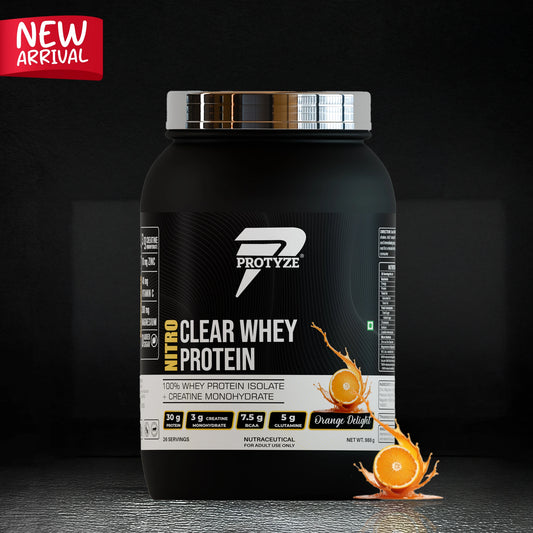
Whey protein for weight loss can be a convenient way to increase your protein intake without adding a large amount of food to your diet. For example, you could use a whey protein shake after training or as part of a snack when your regular meals do not provide enough protein.
Similarly, whey protein for fat loss can fit into a calorie-controlled diet when it helps you meet your protein needs while keeping overall calorie intake under control.
However, whey protein is not a fat-burning supplement. Simply drinking whey protein will not automatically cause weight loss. Your overall calorie intake, food quality, activity level, and consistency still matter.
Choose a protein powder that fits your dietary requirements and check the nutrition label for calories, protein, carbohydrates, and added sugars.
Add a Weight Loss Drink to Your Routine
What you drink can have a surprisingly large impact on your daily calorie intake.
Instead of regularly consuming sugary sodas, sweetened juices, or high-calorie coffee drinks, choose lower-calorie beverages.
A simple weight loss drink can be as basic as water infused with lemon, unsweetened green tea, or a protein shake that fits your calorie target.
Remember that no single drink directly melts body fat. The benefit comes from choosing beverages that help you stay hydrated without unnecessarily increasing your calorie intake.
Try a Fat Loss Drink Instead of Sugary Beverages
The term fat loss drink is often used for beverages marketed as products that can accelerate fat burning. In reality, there is no magic drink that can replace a calorie-controlled diet and regular physical activity.
Instead, think of a fat loss drink as a convenient beverage choice that supports your overall routine.
For example, you can choose:
- Water
- Sparkling water without added sugar
- Unsweetened tea
- Black coffee
- A low-calorie protein shake
- Electrolyte beverages when appropriate
The most important factor is your overall dietary pattern.
Don't Forget Hydration
Proper hydration is important when you are trying to lose weight. Drinking enough fluids can support normal body functions and may also help you distinguish thirst from hunger.
Water should generally be your primary beverage throughout the day.
A hydration drink can also be useful in certain situations, particularly when you have been exercising for a long time or sweating heavily. However, check the nutrition label because some commercial hydration drinks contain significant amounts of added sugar and calories.
An electrolyte drink may be useful during prolonged or intense exercise, particularly when you lose substantial amounts of fluid through sweat. For ordinary daily activities, however, plain water is often sufficient.
Foods to Limit During Your Weight Loss Month
You do not need to completely eliminate your favorite foods. Instead, limit foods that make it easy to consume large amounts of calories without feeling full.
Try to reduce:
- Sugary soft drinks
- Sweetened juices
- Deep-fried foods
- Cakes and pastries
- Candy and chocolate
- Highly processed snacks
- Large portions of fast food
- Excessive alcohol
- Sugary coffee beverages
You can still enjoy occasional treats. The goal is to make nutritious foods the foundation of your diet.
Exercise Alongside Your Diet
Diet is important for weight loss, but combining nutrition with physical activity can help improve your results and overall health.
Aim to include both cardio and resistance training.
Cardio
Walking, cycling, swimming, jogging, or other aerobic activities can help increase your daily energy expenditure.
A simple starting point is to increase your daily walking. You can gradually build your activity level based on your fitness and schedule.
Strength Training
Resistance training is especially useful during weight loss because it can help support muscle mass.
Try exercises such as:
- Squats
- Lunges
- Push-ups
- Rows
- Shoulder presses
- Deadlifts
- Planks
Beginners can start with bodyweight exercises and gradually increase resistance as they become stronger.
A Simple 7-Day Meal Structure
You can use the following structure as a starting point and adjust portions according to your individual calorie and protein requirements.
| Day | Breakfast | Lunch | Dinner |
|---|---|---|---|
| Monday | Eggs + toast + fruit | Chicken + rice + vegetables | Paneer + roti + salad |
| Tuesday | Protein oatmeal | Dal + roti + vegetables | Fish + rice + vegetables |
| Wednesday | Greek yogurt + fruit + nuts | Chicken + roti + salad | Tofu + vegetables + rice |
| Thursday | Vegetable omelet | Paneer + rice + vegetables | Dal + roti + salad |
| Friday | Whey protein smoothie + fruit | Fish + rice + vegetables | Chicken + roti + salad |
| Saturday | Eggs + whole-grain toast | Dal + rice + vegetables | Paneer + roti + vegetables |
| Sunday | Oatmeal + whey protein | Chicken/paneer bowl + vegetables | Fish/tofu + vegetables + rice |
The exact foods are less important than maintaining appropriate portions and consistently choosing nutrient-dense meals.
5 Habits That Can Make Weight Loss Easier
1. Track Your Food
Tracking your food for a few weeks can help you understand how many calories you are actually consuming. You do not necessarily have to track forever.
2. Prioritize Protein
Include a protein source at breakfast, lunch, dinner, and snacks when appropriate.
3. Eat More Vegetables
Vegetables provide fiber and nutrients while generally being relatively low in calories. Filling more of your plate with vegetables can make meals more satisfying.
4. Sleep Enough
Poor sleep can make healthy eating and appetite management more difficult. Aim for a consistent sleep schedule and adequate sleep each night.
5. Be Consistent
One high-calorie meal does not ruin your progress, just as one healthy meal does not create it. Focus on what you do consistently over weeks rather than individual meals.
What If You Don't Lose 10 Pounds?
Do not assume that your diet has failed if the scale does not drop by exactly 10 pounds.
Weight can fluctuate because of:
- Water retention
- Sodium intake
- Carbohydrate intake
- Digestion
- Hormonal changes
- Changes in exercise
- Muscle gain
Instead of judging your progress from one day's weight, look at the trend over several weeks. You can also track waist measurements, fitness improvements, strength, energy levels, and how your clothes fit.
Final Thoughts
Losing 10 pounds in one month is an aggressive target and may not be realistic or appropriate for everyone. A moderate calorie deficit, a protein-rich diet, regular exercise, good hydration, and adequate sleep are more sustainable ways to approach weight loss.
Build your meals around lean protein, vegetables, fruits, whole grains, and healthy fats. Use convenient options such as whey protein when they help you meet your protein needs, and choose water or low-calorie beverages instead of sugary drinks.
Rather than searching for a magic weight loss drink or fat loss drink, focus on the habits that consistently create a calorie deficit while supporting your health and muscle mass.
If you have a medical condition, take medications, are pregnant or breastfeeding, or are considering a significant calorie restriction, speak with a qualified healthcare professional before starting a weight-loss plan.