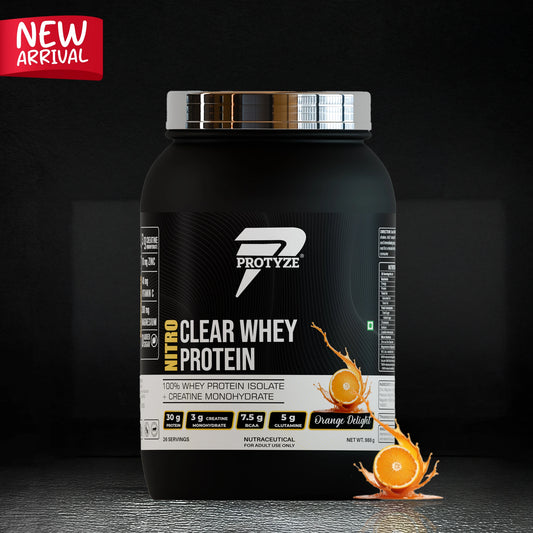

Whey protein is one of the most convenient ways to increase your daily protein intake and support muscle recovery. But simply drinking a protein shake does not guarantee better results. The type of whey you choose, how much you consume, when you take it, and whether it fits your fitness goals can all influence your overall nutrition strategy.
If you are consistently using whey protein but not seeing the progress you expect, your supplement may not be the problem. Your approach could be. Here are some common whey protein mistakes that may be holding back your fitness progress.
1. Choosing the Wrong Type of Whey Protein
One of the biggest mistakes is assuming that every whey protein works the same way. Whey concentrate, whey isolate, and hydrolyzed whey have different characteristics, including differences in protein concentration and lactose content.
For people who prefer a lighter option or are sensitive to lactose, whey isolate may be a better choice. If you are comparing options, understanding the difference between whey protein types and their benefits can help you make a more informed decision.
Your protein should match your digestion, lifestyle, dietary requirements, and fitness goals.
2. Thinking More Protein Always Means More Muscle
Another common mistake is believing that more protein automatically produces more muscle. Protein is important for muscle repair and growth, but consuming excessive amounts does not guarantee faster results.
Your total daily protein intake should be considered alongside your body weight, training routine, calorie intake, and overall diet. A protein supplement should help fill nutritional gaps rather than replace a balanced diet.
If you are unsure how much protein you need, start by understanding your overall requirements instead of simply adding extra scoops.
3. Ignoring Protein Quality
Not all protein supplements are formulated equally. Protein quality, amino acid profile, digestibility, and the overall ingredient list matter.
Whey protein is a complete protein because it provides all nine essential amino acids. It is particularly useful for people looking for convenient nutrition to support muscle growth and post-workout recovery.
You can learn more about what makes a good whey protein for muscle growth and recovery before choosing a product.
4. Focusing Too Much on Protein Timing
You may have heard that you must consume whey protein immediately after your workout or you will miss the “anabolic window.” While post-workout protein is convenient and can support recovery, the bigger picture is your total daily protein intake and consistent nutrition.
A post-workout protein drink for muscle recovery can be an easy way to add protein after training, especially when you do not have a full meal available.
However, consistency throughout the day matters more than obsessing over a specific minute on the clock.
5. Ignoring Digestibility
A protein powder may look excellent on its nutrition label, but if it consistently causes bloating, discomfort, or digestive issues, it may not be the right choice for you.
This is one reason some fitness enthusiasts prefer clear whey protein. Clear whey isolate typically has a lighter, juice-like texture compared with traditional creamy protein shakes.
If you are looking for a light protein option for post-workout recovery, clear whey can be worth considering.
6. Choosing Protein Without Considering Your Fitness Goal
Your protein supplement should support what you are actually trying to achieve.
Someone focused on muscle growth may prioritize a higher-protein formula, while someone focused on fat loss may prefer a protein option that fits comfortably within their daily calorie target.
Similarly, athletes who need hydration and performance support may prefer a functional formula containing additional ingredients such as electrolytes or creatine.
Understanding how functional protein supports hydration, recovery, and strength can help you see how modern protein formulas go beyond basic protein supplementation.
7. Treating Whey Protein as a Replacement for Real Food
Whey protein is a supplement, not a substitute for a balanced diet. Whole foods provide protein along with vitamins, minerals, fiber, healthy fats, and other nutrients.
Use whey as a convenient way to help meet your protein requirements when your regular meals do not provide enough.
A balanced diet combined with resistance training, adequate hydration, quality sleep, and consistent exercise will have a much greater impact on your results than relying on protein powder alone.
8. Being Inconsistent
Even the best protein supplement will not help much if you use it inconsistently. Your results depend on your overall habits over time.
Instead of constantly switching between products, focus on finding a protein that you enjoy, digest well, and can comfortably include in your daily routine.
For people searching for the best whey protein in India for different fitness goals, the right choice should be based on protein quality, digestibility, ingredients, lifestyle, and individual goals—not just popularity or price.
Final Thoughts
Whey protein can be a valuable part of a fitness nutrition plan, but using it incorrectly can make it less effective for your needs. Choosing the wrong type, consuming excessive amounts, ignoring digestion, focusing too heavily on timing, or failing to match your protein to your goals can all create unnecessary problems.
The solution is not necessarily more protein. It is better protein choices and better consistency.
Choose a high-quality protein that fits your goals, maintain a balanced diet, train consistently, stay hydrated, and give your body enough time to recover. When these fundamentals are in place, whey protein can become a useful tool for supporting muscle recovery, growth, and everyday fitness.