
Intense workouts can leave your muscles feeling tired, sore, and fatigued. Whether you lift weights, run, play sports, or follow a high-intensity training routine, recovery is an important part of your fitness journey. Your muscles need adequate nutrition, hydration, and rest to recover and adapt after exercise.
While supplements cannot replace a balanced diet, proper sleep, or a well-planned workout routine, they can help support your nutritional needs. Protein, creatine, and hydration-focused supplements can all play different roles in supporting your training and recovery.
Quick Answer :
The best supplements for muscle recovery after intense workouts include protein, creatine, and electrolytes. They can support muscle repair, workout performance, and hydration when combined with a balanced diet, quality sleep, and adequate rest.
What Is Muscle Recovery?
Muscle recovery is the process your body goes through after exercise to repair and adapt to physical stress. Intense exercise places stress on your muscles, and your body needs time, nutrients, and adequate rest to recover.
Several factors can influence muscle recovery, including:
- Protein and overall nutrient intake
- Hydration
- Sleep quality
- Training intensity
- Rest between workouts
- Overall calorie intake
A good recovery routine focuses on all of these factors rather than depending on supplements alone.
Who Should Use Muscle Recovery Supplements?
Muscle recovery supplements may be useful for people who:
- Train intensely or exercise frequently
- Perform strength or resistance training
- Participate in endurance sports
- Find it difficult to meet their daily protein requirements through food
- Want convenient post-workout nutrition
- Follow demanding training schedules
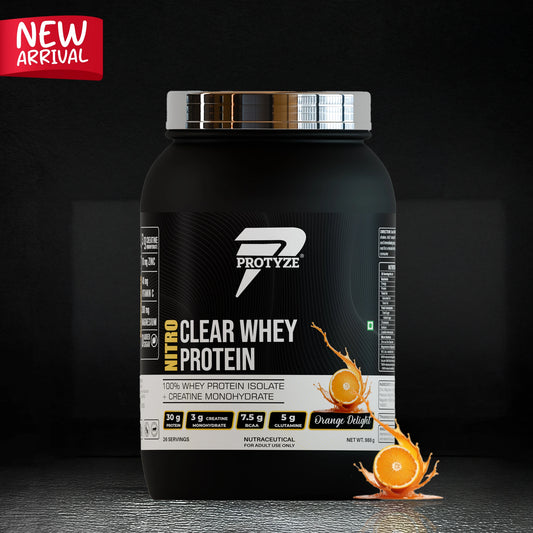
For example, muscle recovery whey protein can be useful for people looking for a convenient way to increase their daily protein intake. A creatine monohydrate supplement may also be suitable for healthy adults involved in strength training or repeated high-intensity exercise.
Who Should Not Use Muscle Recovery Supplements?
Muscle recovery supplements are not necessary for everyone. People who can comfortably meet their nutritional requirements through a balanced diet may not need additional supplements.
Individuals with existing medical conditions, particularly kidney-related concerns or other health issues, should speak with a qualified healthcare professional before making significant changes to protein or supplement intake.
Pregnant or breastfeeding individuals, children, and people taking medications should also seek professional advice before starting a new supplement.
1. Whey Protein for Muscle Recovery
Protein is one of the most important nutrients involved in supporting muscle repair and adaptation after exercise. When you train, your body requires amino acids from dietary protein to support these processes.
Muscle recovery whey protein is a convenient option for people who struggle to meet their daily protein requirements through regular meals. A protein shake can be particularly useful after a workout or at any other time when you need a convenient protein source.
A good muscle recovery protein supplement can provide essential amino acids while helping you meet your overall daily protein requirements.
However, protein supplements should not completely replace whole foods. Eggs, chicken, fish, dairy products, paneer, tofu, soy, pulses, and other protein-rich foods should also be part of a balanced diet.
2. Creatine Monohydrate
Creatine monohydrate is one of the most widely researched supplements for strength and high-intensity exercise. It is commonly used by people involved in resistance training, weightlifting, sprinting, and other activities that involve repeated short bursts of intense effort.
Creatine supports the body's ability to produce energy during high-intensity exercise. This can help support training performance and make it easier to maintain consistency in demanding workout routines.
A creatine monohydrate supplement is generally taken consistently rather than only after a workout. For many healthy adults, a commonly used daily amount is around 3–5 grams. Always follow the serving instructions provided on the product.
While creatine is often associated with muscle growth and strength training, it works best when combined with a suitable training program and balanced nutrition.
3. Electrolytes and Hydration
Hydration is another important part of recovery. During intense or long workouts, your body loses fluids and electrolytes through sweat.
Electrolyte drinks may be useful for people who exercise for extended periods, train in hot conditions, or sweat heavily. They can help support fluid and electrolyte replacement.
For shorter or moderate workouts, water and a balanced diet may be enough. Your individual hydration requirements can vary depending on exercise intensity, climate, and sweat loss.
4. Carbohydrate and Protein Recovery Drinks
After demanding workouts, both protein and carbohydrates can play a role in post-workout nutrition.
Protein supports muscle repair, while carbohydrates help replenish energy stores used during exercise. A recovery drink containing both nutrients can be convenient, particularly after long or intense training sessions.
However, you do not always need a specialised recovery drink. A balanced meal containing a quality protein source and carbohydrates can also support your recovery nutrition.
Benefits of Muscle Recovery Supplements
When used appropriately, recovery supplements can provide several benefits:
- Help support daily protein requirements
- Provide convenient post-workout nutrition
- Support muscle repair and adaptation
- Support hydration after intense exercise
- Help maintain high-intensity training performance
- Make it easier to follow a consistent nutrition routine
The benefits you experience will depend on your overall diet, training routine, recovery habits, and individual nutritional needs.
Side Effects and Things to Consider
Supplements may not be suitable for everyone. Some people may experience digestive discomfort when consuming certain protein powders, particularly if they are sensitive to ingredients such as lactose.
Some individuals using creatine monohydrate may experience temporary increases in body water weight. Maintaining adequate hydration is also important as part of an active lifestyle.
More supplements do not necessarily mean better results. Focus on choosing products that support a specific nutritional need rather than taking multiple supplements unnecessarily.
Dosage
The appropriate dosage depends on the type of supplement and your individual requirements.
For protein, focus on meeting your total daily protein needs based on factors such as your body weight, activity level, and fitness goals.
For creatine monohydrate, a commonly used daily amount for healthy adults is 3–5 grams per day. Follow the serving instructions provided with your chosen product.
Best Time to Take Muscle Recovery Supplements
Protein can be consumed throughout the day as part of your regular meals and snacks. Having a protein-rich meal or shake after exercise can be a convenient way to contribute towards your daily protein intake.
A creatine monohydrate supplement can generally be taken at any convenient time of the day. Consistent daily intake is usually more important than taking it at an exact time.
Electrolyte drinks may be particularly useful during or after long and intense workouts when significant fluid loss occurs.
FAQ's
Is whey protein good for muscle recovery?
Whey protein provides amino acids that support muscle repair and can help you meet your daily protein requirements.
Does creatine monohydrate support muscle recovery?
Creatine monohydrate is primarily known for supporting high-intensity exercise performance. When used consistently alongside proper nutrition and training, it can support your overall workout routine.
Can I take whey protein and creatine together?
Yes, whey protein and creatine can generally be included in the same fitness nutrition routine. Whey protein helps support daily protein intake, while creatine supports high-intensity exercise performance.
Are recovery supplements necessary?
Not always. Many people can meet their nutritional needs through a balanced diet. Supplements can be useful when they provide convenience or help fill nutritional gaps.
What supplements are best for muscle recovery after an intense workout?
Whey protein, creatine, electrolytes, and BCAAs are commonly used to support muscle recovery after demanding workouts.
Which supplements support muscle repair after a hard gym session?
Protein supplements, especially whey protein, provide amino acids that help support muscle repair and rebuilding after exercise.
Which muscle recovery supplements are popular in India?
Whey protein, creatine monohydrate, electrolytes, and BCAA supplements are among the popular recovery choices in India.
How can I find trustworthy reviews of muscle recovery supplements in India?
Check verified customer reviews, independent fitness websites, ingredient labels, and third-party testing information before choosing a product.
Where can I purchase muscle recovery supplements online in India?
You can purchase them from official brand websites and established online supplement retailers to reduce the risk of counterfeit products.
Which protein powder is good for recovery after weightlifting?
Whey protein is a convenient option because it provides high-quality protein and essential amino acids needed for muscle recovery.
What are the most affordable supplements for muscle recovery?
Creatine monohydrate and whey protein can offer good value because they have strong evidence for supporting muscle performance, growth, and recovery.
Do BCAA supplements help with muscle recovery?
BCAAs may help in certain situations, but people who already consume enough high-quality protein may get limited additional benefits from BCAA supplements.
What supplements can help with post-workout muscle soreness?
Protein and creatine can support overall recovery, while adequate hydration, sleep, nutrition, and rest are also important for managing soreness.
Can creatine help with recovery after workouts?
Yes. Creatine monohydrate can support training performance and muscle recovery over time, although it is not specifically a treatment for muscle soreness.
Conclusion
The best supplements for muscle recovery after intense workouts depend on your training routine and nutritional requirements. Muscle recovery whey protein can provide a convenient source of protein, while creatine monohydrate can support high-intensity exercise performance. A creatine monohydrate supplement, along with appropriate hydration and balanced nutrition, can be part of a well-rounded fitness routine.
Remember that effective recovery is not about relying on one supplement. Consistent nutrition, adequate protein, hydration, quality sleep, and sufficient rest all work together to support your body after intense workouts.