
When it comes to arm training, most people focus heavily on biceps. They’re easy to see, easy to flex, and often the first muscle people want to grow. Triceps, on the other hand, usually get less attention even though they make up a larger portion of your arm size.
This naturally leads to an important and often misunderstood question:
Do biceps and triceps need different amounts of protein, or does one muscle need more protein than the other?
To answer this properly, we need to understand how these muscles work, how they’re trained, and how protein actually supports muscle recovery and growth.
Understanding Biceps and Triceps: How They Really Work
Biceps and triceps are opposing muscle groups in the upper arm. The biceps are mainly responsible for bending the elbow, while the triceps handle straightening the arm. From a size and workload perspective, triceps are larger.
They have three heads and are involved in many compound movements like bench presses, overhead presses, push-ups, and dips. Biceps, while important for arm shape and pulling movements, are smaller and usually trained with isolation exercises like curls. This difference in size and usage plays a big role in recovery needs.
Does a Bigger Muscle Automatically Need More Protein?
Protein doesn’t work on a muscle-by-muscle basis. When you eat protein, your body uses it to support overall muscle repair, not one specific body part. However, muscles that experience:
- More total training volume
- Heavier loads
- More frequent activation
will place a greater demand on recovery. That means they indirectly require more support from protein. Since triceps are larger and used more often both directly and indirectly they usually create more total muscle stress than biceps.
How Biceps Training Affects Protein Needs
Biceps are typically trained with controlled, isolation-based movements. While these exercises still create muscle damage and require recovery, the overall workload is usually lower compared to triceps. Biceps absolutely need protein to grow and recover, but in most training programs, they:
- Handle lighter weights
- Accumulate less weekly volume
- Recover slightly faster
As a result, biceps rarely place the highest demand on protein intake unless they’re trained very aggressively.
Why Triceps Often Demand More Recovery Support
Triceps are involved in almost everybody pushing movement, even on days you’re not specifically training arms. Chest day, shoulder day, and push workouts all load the triceps heavily. Because of this, triceps often experience:
- More total weekly stress
- Heavier compound loading
- Longer recovery demands
This doesn’t mean you need “extra protein for triceps,” but it does explain why consistent protein intake becomes more important when triceps are worked frequently.
So, Which Muscle Needs More Protein?
The honest answer is: neither muscle needs special treatment on its own. Protein supports the whole recovery system. But in practical terms, the muscle that is:
- Larger
- Worked more often
- Loaded more heavily
will naturally demand more recovery resources. For most people, that muscle is the triceps. That said, insufficient protein affects both muscles equally biceps growth stalls just as easily as triceps growth when recovery is poor.
Why Consistency With Protein Matters More Than Muscle Focus
Many people worry about whether biceps or triceps need more protein, but the real issue is consistency. If your daily protein intake is inconsistent or too low, neither muscle will recover properly. When protein intake is inadequate:
- Triceps may stay sore longer
- Biceps growth may plateau
- Arm workouts feel less productive over time
Consistent daily protein intake matters far more than trying to “target” protein to a specific muscle.
Digestion Comfort Plays a Bigger Role Than Most People Realize
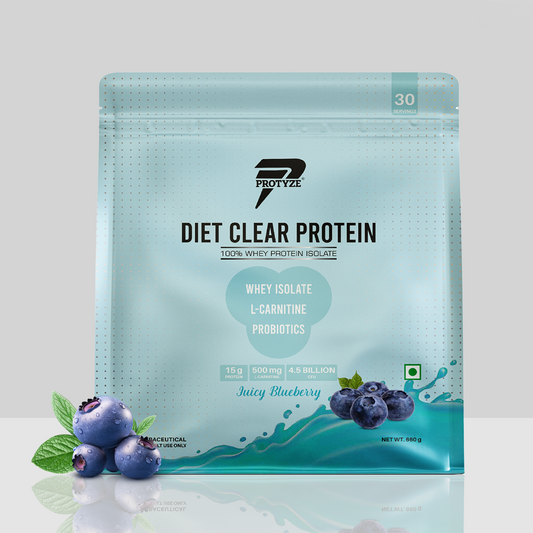
Upper-body and arm workouts are often paired with intense sessions, which can suppress appetite. If protein feels heavy or uncomfortable after training, people tend to delay it or skip it altogether. This is where lighter protein formats help. Clear whey protein, for example, mixes with water and feels refreshing rather than thick, making it easier to consume after push or arm-dominant workouts. Clear whey protein options like those from Protyze are designed for easy digestion and daily use, helping maintain consistent protein intake without heaviness.
How Much Protein Is Enough for Arm Growth?
Instead of separating protein for biceps and triceps, focus on total daily intake. For most active individuals:
- 1.2–1.6g protein per kg body weight supports regular training
- Slightly higher intake may help during high-volume or intense phases
Spreading protein across meals supports steady recovery for both muscles.
Common Mistakes People Make With Arm Training and Protein
One common mistake is overtraining arms while under-eating protein. Another is focusing too much on biceps while ignoring how much triceps contribute to overall arm size. Skipping protein after upper-body workouts or relying on inconsistent intake often limits arm growth more than exercise selection does.
Frequently Asked Questions (FAQs)
Q1: Do biceps need more protein than triceps?
No. Protein supports overall muscle recovery. However, triceps often experience more total workload, which can increase recovery demand.
Q2: Can low protein intake affect arm growth?
Yes. Inadequate protein slows muscle repair, which can stall both biceps and triceps growth.
Q3: Is protein timing important for arm workouts?
Timing helps, but consistency matters more. Supporting recovery after training and meeting daily protein needs is key.
Q4: Can beginners build arms without protein supplements?
Yes, if dietary protein is sufficient. Supplements simply make meeting protein needs easier.
Q5: Is whey protein enough for arm recovery?
Yes. Whey protein is effective for muscle repair when used consistently as part of a balanced diet.
Conclusion
When comparing biceps vs triceps, the question isn’t really about which muscle needs more protein. Protein doesn’t work in isolation it supports your entire recovery system. That said, triceps are larger and involved in more compound movements, so they often place a greater overall demand on recovery.
This makes consistent protein intake especially important for balanced arm development. Instead of worrying about feeding one muscle more than the other, focus on the fundamentals: train smart, recover well, and keep protein intake steady. Over time, both your biceps and triceps will grow as a result.