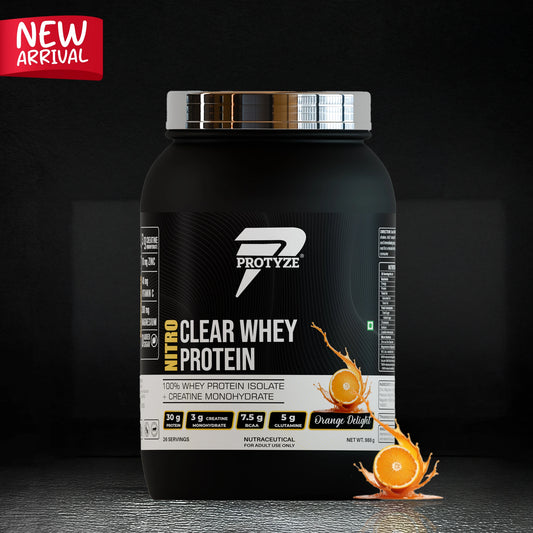

Building muscle requires more than just taking a protein supplement. A combination of resistance training, adequate protein, enough calories, proper hydration and quality sleep is important for supporting muscle growth. Whey protein can be a convenient way to meet your daily protein requirements, while a structured workout provides the training stimulus your muscles need.
If your goal is to build muscle or gain healthy weight, here are five effective workouts to pair with whey protein.
Quick Answer
Pair whey protein with strength workouts like squats, bench presses, pull-ups, shoulder exercises and deadlifts. Combined with proper nutrition, creatine monohydrate and recovery, these workouts can support muscle growth, strength and healthy weight gain
1. Squats and Lower-Body Workout
Squats are one of the most effective compound exercises for developing the lower body. They primarily target the quadriceps, hamstrings and glutes while also engaging the core.
A lower-body workout can include:
- Squats
- Leg press
- Romanian deadlifts
- Walking lunges
- Leg curls
- Calf raises
Aim for around 3–4 sets of 8–12 repetitions for most exercises. Gradually increasing the weight or repetitions can help create progressive overload, which is important for continued muscle development.
If you're using whey protein for weight gain, combine it with enough calories from nutritious foods to support your overall weight-gain goal.
2. Bench Press and Chest Workout
The bench press is a popular compound exercise for developing the chest, shoulders and triceps. You can build a complete chest workout by combining compound and isolation exercises.
Try including:
- Bench press
- Incline dumbbell press
- Chest flyes
- Push-ups
- Triceps extensions
Focus on proper form and controlled movements rather than simply lifting heavier weights. Consistent progression is more important for long-term results.
When using whey protein for muscle gain, remember that your total daily protein intake matters more than simply consuming protein immediately after every workout.
3. Pull-Ups and Back Workout
A strong back is essential for overall strength and a balanced physique. Pull-ups work the latissimus dorsi, upper back and biceps, making them an excellent addition to a muscle-building routine.
You can pair pull-ups with:
- Lat pulldowns
- Barbell rows
- Seated cable rows
- Dumbbell rows
- Face pulls
Beginners can use assisted pull-ups and gradually work toward unassisted repetitions.
Along with protein-rich foods, protein supplements to gain muscle can help people conveniently increase their daily protein intake when meals alone are not enough.
4. Shoulder and Arm Workout
Shoulder and arm training can complement your compound exercises and help improve overall muscular development. A balanced workout can include overhead presses, lateral raises, rear-delt flyes, biceps curls, hammer curls and triceps extensions.
Perform around 3 sets of 8–15 repetitions depending on your experience and the exercise.
When selecting protein powders to build muscle, consider the protein content per serving, ingredients and how the product fits into your overall diet. A protein powder should support your nutritional requirements rather than replace balanced meals.
5. Deadlifts and Full-Body Strength Training
Deadlifts are a compound exercise that engages several major muscle groups, including the hamstrings, glutes, back and core. They can be incorporated into a full-body strength routine with exercises such as squats, bench presses, rows and overhead presses.
Because deadlifts require proper technique, beginners should start with manageable weights and focus on learning the correct movement pattern before increasing resistance.
Whey Protein and Creatine for Muscle Growth
Whey protein provides high-quality protein and essential amino acids that can help you meet your daily protein needs. It can be particularly convenient after training or between meals.
For people who struggle to consume enough calories, muscle gainer whey protein may provide protein along with additional calories and carbohydrates. However, gaining weight still requires an overall calorie surplus.
Creatine has a different role. Creatine monohydrate benefits include supporting high-intensity exercise performance and increasing muscle creatine stores when taken consistently. Some people also use creatine for weight gain, as creatine may increase body weight partly through increased water stored in muscles.
A commonly used daily amount is 3–5 g of creatine monohydrate.
FAQ's
Q). What are the top 5 workouts to combine with whey protein for muscle growth?
The top five are squats, bench presses, pull-ups, shoulder exercises, and deadlifts. Combine these strength exercises with adequate whey protein, calories, and recovery to support muscle growth.
Q). What workout routines support accelerated muscle development with daily protein intake?
Full-body strength training, upper/lower-body splits, and push-pull-legs routines can support muscle development. Pair consistent resistance training with sufficient daily protein and progressive overload.
Q). What are the best exercises for lean muscle growth when consuming protein powder?
Compound exercises such as squats, deadlifts, bench presses, rows, and pull-ups are effective for building lean muscle. Protein powder can help meet your daily protein needs alongside a balanced diet.
Final Takeaway
The best approach to muscle growth combines consistent resistance training, adequate protein, sufficient calories and proper recovery. Squats, bench presses, pull-ups, shoulder and arm exercises, and deadlifts can provide a strong foundation for building strength and muscle.
Whether your goal is whey protein for weight gain, muscle growth or improved gym performance, supplements should complement your diet and training rather than replace them. Consistency, progressive overload, good nutrition and sufficient sleep are the key foundations for long-term results.