
Have you ever completed the same workout as your friend but noticed that they feel ready to train again the next day while you are still dealing with sore, tired muscles? Recovery can vary significantly from person to person.
How quickly you recover after exercise depends on several factors, including training experience, workout intensity, nutrition, hydration, sleep, and overall lifestyle. Genetics and individual differences may also influence how your body responds to exercise.
Understanding these factors can help you build a better recovery routine and support more consistent training.
Quick Answer
Some people recover faster after workouts due to differences in training experience, nutrition, hydration, sleep, workout intensity, and overall lifestyle. Consistent recovery habits can help your body adapt better and prepare for the next session.
What Is Muscle Recovery?
Muscle recovery is the process through which your body adapts after exercise. Training creates physical stress, especially during resistance training and intense workouts. Your body then needs time, nutrients, and rest to repair and adapt.
Recovery is not only about reducing muscle soreness. It also involves restoring energy, maintaining hydration, and preparing your body for future training sessions.
Who Should Focus on Muscle Recovery?
Muscle recovery is important for anyone who exercises regularly, particularly:
- People involved in strength training
- Athletes and sports enthusiasts
- Beginners starting a new workout program
- Individuals training multiple times per week
- Endurance athletes
- People returning to exercise after a break
The harder or more frequently you train, the more important it becomes to pay attention to your recovery habits.
1. Training Experience Makes a Difference
People who have been training consistently for a long time may recover differently from beginners. As your body becomes accustomed to a particular type of exercise, it can adapt to the training stimulus.
For example, someone who regularly performs squats may experience less soreness from a squat workout than someone trying the exercise for the first time. This does not necessarily mean the experienced person had a less effective workout. Their body may simply be more adapted to that movement.
Gradually increasing workout intensity can help your body adapt while reducing the likelihood of excessive soreness caused by doing too much too quickly.
2. Nutrition Supports Recovery
What you eat before and after training can influence how well your body is supported during recovery. Protein provides amino acids that are involved in muscle repair and adaptation.
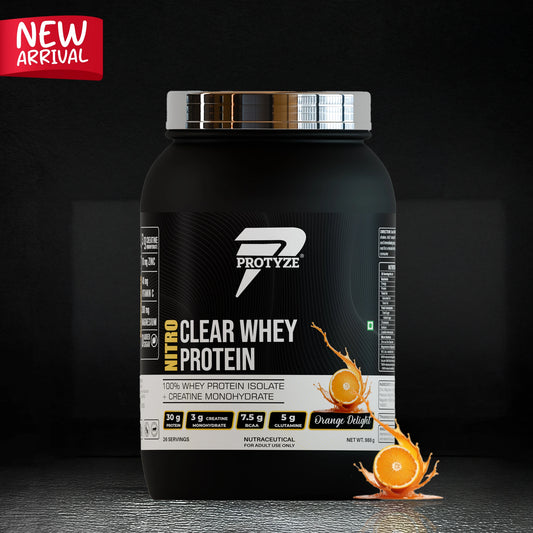
A muscle recovery protein source can come from whole foods such as eggs, dairy, fish, chicken, paneer, tofu, soy, and pulses. For people who find it difficult to meet their protein needs through meals alone, muscle recovery whey protein can be a convenient option.
Whey protein is a high-quality source of protein that can be easily added to your routine after exercise or between meals. However, total daily protein intake and overall nutrition are generally more important than relying on a single shake after a workout.
Some people may also prefer protein with electrolytes when they need both nutritional support and hydration after demanding exercise.
3. Hydration Can Affect How You Feel After Exercise
Hydration is another important factor that can influence recovery and exercise performance. During workouts, especially in hot or humid conditions, your body loses fluids through sweat.
Replacing lost fluids is important, particularly after long or intense training sessions. A hydration drink may be useful when plain water is not enough to meet your needs after significant sweating.
Electrolytes rehydration can also be important after prolonged exercise because minerals such as sodium and potassium are lost through sweat. An electrolyte drink can be a convenient option for people who train for long durations or sweat heavily.
For shorter and moderate workouts, water and a balanced diet may be sufficient.
4. Sleep Quality Plays a Major Role
People who consistently get enough quality sleep may feel better prepared for their next workout compared with those who regularly sleep poorly.
Sleep gives your body time to carry out important recovery processes. A lack of adequate sleep may affect energy levels, exercise performance, and your ability to maintain a consistent training routine.
Instead of focusing only on supplements, try to maintain a regular sleep schedule and give yourself enough time to rest after demanding workouts.
5. Workout Intensity and Volume Matter
The harder you train, the more recovery your body may require. Performing several intense workouts without enough rest can lead to accumulated fatigue.
Two people may perform similar exercises but recover differently because their total training volume is different. Factors such as the number of sets, repetitions, weight used, training frequency, and exercise selection can all affect recovery.
More training is not always better. A well-designed program should include appropriate recovery between demanding sessions.
6. Your Overall Lifestyle Matters
Recovery does not begin only after you finish your workout. Your daily habits also influence how your body responds to exercise.
Stress, nutrition, hydration, sleep, and physical activity outside the gym can all affect how you feel. Someone with a consistent eating pattern, adequate sleep, and proper hydration may recover differently from someone with irregular habits.
This is why there is no single supplement or recovery method that works the same way for everyone.
Benefits of a Good Recovery Routine
Supporting your recovery can help:
- Maintain training consistency
- Support muscle repair and adaptation
- Restore fluids after intense exercise
- Reduce accumulated fatigue
- Prepare your body for future workouts
- Support overall exercise performance
Side Effects and Things to Consider
Recovery supplements and drinks should complement, not replace, a balanced diet and healthy lifestyle.
Some people may experience digestive discomfort with certain forms of whey protein. Those who sweat heavily may benefit from an electrolyte drink, but electrolyte products may not be necessary after every short workout.
Choose products based on your activity level and individual needs.
Dosage
Your protein and hydration needs depend on factors such as body weight, training intensity, workout duration, climate, and fitness goals.
Whey protein can be used to help meet your overall daily protein requirement when food alone is not convenient. Electrolyte and hydration products should be used according to the product instructions and your level of fluid loss.
Best Time to Support Recovery
Recovery nutrition can be supported throughout the day. Rather than focusing only on a short post-workout window, aim to consistently meet your protein, calorie, and fluid needs.
After a long or intense workout, combining whey protein with adequate fluids may be a convenient option. For people who sweat heavily, protein with electrolytes can also support both nutritional intake and rehydration.
FAQs
Why do some people recover faster after workouts?
Recovery speed can differ because of training experience, workout intensity, nutrition, hydration, sleep, stress, and individual differences.
Is whey protein good for muscle recovery?
Yes, whey protein can provide a convenient source of high-quality protein and amino acids that support your overall muscle recovery nutrition.
When should I use an electrolyte drink?
An electrolyte drink may be useful after prolonged or intense exercise, particularly when you sweat heavily or train in hot conditions.
Does better hydration improve recovery?
Maintaining adequate hydration supports normal body function and exercise performance. Replacing fluids lost through sweat is an important part of recovery after demanding exercise.
Why do some people recover faster after workouts?
Recovery speed varies based on training experience, workout intensity, nutrition, hydration, sleep, stress levels, and individual differences.
What factors affect individual workout recovery times?
Factors such as exercise intensity, training volume, fitness level, diet, hydration, sleep quality, age, and overall lifestyle can influence recovery time.
Which supplements can help support workout recovery?
Protein supplements can help meet daily protein needs, while creatine may support high-intensity exercise performance. Electrolytes can also help replace fluids and minerals lost through heavy sweating.
Do genetics affect muscle recovery after exercise?
Yes. Genetic and individual biological differences may influence how people respond to exercise, muscle damage, inflammation, and recovery. However, lifestyle and training habits also play a major role.
What are the best recovery drinks after workouts?
A protein-rich drink can support post-workout nutrition, while an electrolyte drink may be useful after long or intense workouts involving significant sweating.
What dietary changes can help improve post-workout recovery?
Focus on consuming enough protein, carbohydrates, fluids, fruits, vegetables, and other nutrient-rich foods while meeting your overall calorie needs.
How do recovery wearables track workout recovery?
Some wearables use metrics such as heart rate variability, resting heart rate, sleep data, activity levels, and training load to estimate your recovery status.
What supplements are commonly used for quicker muscle recovery?
Protein, creatine, electrolytes, and omega-3 fatty acids are commonly included in recovery-focused nutrition routines. Their usefulness depends on individual needs and overall diet.
Can apps help monitor workout recovery?
Yes. Fitness and recovery apps can track workout volume, sleep, heart rate, resting heart rate, and other data to help you understand training load and recovery patterns.
How does sleep quality affect athletic recovery?
Quality sleep supports physical and mental recovery. Poor or insufficient sleep can affect energy levels, exercise performance, and your ability to recover effectively between workouts.
Conclusion
Some people recover faster after workouts because recovery is influenced by much more than the workout itself. Training experience, nutrition, hydration, sleep, workout intensity, and daily lifestyle habits all play a role.
A consistent recovery routine that includes enough protein, adequate fluids, quality sleep, and appropriate rest can help support your body after exercise. Whether you choose whole-food protein, muscle recovery whey protein, or an occasional hydration drink, the goal should be to support your individual needs and maintain a sustainable training routine.