
Introduction
You can get all the protein you need without eating meat. You just need to know which foods to pick. This guide lists the 25 best protein rich foods in a vegetarian diet, from soya chunks and paneer to dal, nuts and seeds, with protein per 100 g for each one.
Protein builds and repairs muscle, keeps hair, skin and nails healthy, supports immunity and keeps you full for longer. Many Indian vegetarian meals are high in rice and roti but low in protein. Small swaps can close that gap.
How much protein do you need?
The Indian Council of Medical Research (ICMR-NIN) recommends about 0.83 g of protein per kg of body weight per day for healthy adults.
- A 60 kg adult needs about 50 g of protein a day.
- A 75 kg adult needs about 62 g a day.
- People who work out, older adults, and pregnant or breastfeeding women usually need more. A doctor or dietitian can give you a personal target.
The good news is that a well-planned vegetarian diet can easily give you 60 to 80 g of protein a day. Here is how.
Highest protein veg foods: quick chart
Soya chunks are the highest protein veg food, with about 52 g of protein per 100 g (dry). Seeds, peanuts, dals, cheese and paneer come next. Values are approximate and are for the raw or dry form unless noted. Cooked dals and beans hold water, so they have about one third of the protein per 100 g.
|
Rank |
Food |
Protein per 100 g |
Easy serving |
|---|---|---|---|
|
1 |
Soya chunks (dry) |
52 g |
30 g dry = 15 g protein |
|
2 |
Hemp seeds |
31 g |
3 tbsp = 10 g |
|
3 |
Pumpkin seeds |
30 g |
2 tbsp = 7 g |
|
4 |
Peanuts |
26 g |
1 small handful (30 g) = 8 g |
|
5 |
Cheese (cheddar type) |
25 g |
1 slice (20 g) = 5 g |
|
6 |
Masoor dal (dry) |
25 g |
1 katori cooked = 9 g |
|
7 |
Moong dal (dry) |
24 g |
1 katori cooked = 8 g |
|
8 |
Rajma (dry) |
24 g |
1 katori cooked = 8 g |
|
9 |
Besan (gram flour) |
22 g |
2 besan chillas = 10 g |
|
10 |
Sattu (roasted chana flour) |
21 g |
3 tbsp in water = 7 g |
|
11 |
Almonds |
21 g |
15 almonds = 4 g |
|
12 |
Sunflower seeds |
21 g |
2 tbsp = 4 g |
|
13 |
Kabuli chana (dry) |
20 g |
1 katori cooked = 8 g |
|
14 |
Tempeh |
20 g |
100 g = 20 g |
|
15 |
Paneer |
18 g |
100 g = 18 g |
|
16 |
Flaxseeds |
18 g |
1 tbsp = 2 g |
|
17 |
Cashews |
18 g |
15 cashews = 5 g |
|
18 |
Tofu (firm) |
17 g |
100 g = 17 g |
|
19 |
Chia seeds |
17 g |
2 tbsp = 5 g |
|
20 |
Walnuts |
15 g |
7 halves = 4 g |
|
21 |
Quinoa (dry) |
14 g |
1 cup cooked = 8 g |
|
22 |
Oats (dry) |
13 g |
50 g = 7 g |
|
23 |
Greek yogurt / hung curd |
10 g |
1 bowl (150 g) = 15 g |
|
24 |
Green peas |
5 g |
1 cup = 8 g |
|
25 |
Milk |
3.3 g |
1 glass (250 ml) = 8 g |
Tip: Save this chart or pin it on your fridge. It makes planning high-protein meals much easier.
25 best sources of protein in a vegetarian diet
These foods fall into six groups. Try to eat from at least three groups every day.
Soy foods: the richest source of protein for vegetarians
1. Soya chunks (52 g per 100 g dry). Soya chunks are the cheapest and highest protein veg food in India. Soak them, squeeze out the water and add them to pulao, curry or a dry sabzi. They are a complete protein, which means they have all nine essential amino acids.
2. Tofu (17 g per 100 g). Tofu is soy "paneer". It has less fat than paneer and works well in bhurji, stir-fries and tikka.
3. Tempeh (20 g per 100 g). Tempeh is fermented soybean cake. It is firm, nutty and good for gut health. Pan-fry it with Indian spices.
Dairy: easy everyday protein
4. Paneer (18 g per 100 g). Paneer is the most popular protein source for vegetarians in India. 100 g of paneer bhurji or tikka gives you about 18 g of protein. Use low-fat paneer if you are watching calories.
5. Greek yogurt or hung curd (10 g per 100 g). Straining curd removes water and almost triples its protein. Use it for raita, dips and smoothies.
6. Cheese (about 25 g per 100 g). Cheese is protein dense but also high in fat and salt. One slice a day is a good limit.
7. Milk (3.3 g per 100 ml). One glass of milk gives about 8 g of protein. Regular curd gives about 3.5 g per 100 g.
Dals and legumes: the base of a high-protein Indian diet
8. Moong dal (24 g per 100 g dry). Light on the stomach and easy to sprout. Sprouted moong salad is a great protein snack.
9. Masoor dal (25 g per 100 g dry). Cooks fast and is rich in iron and folate.
10. Rajma (24 g per 100 g dry). Rajma chawal is a complete-protein meal, because beans and rice fill each other's amino acid gaps.
11. Kabuli chana and kala chana (about 20 g per 100 g dry). Use them in chole, chaat, hummus or a roasted chana snack.
12. Besan (22 g per 100 g). Besan chilla is one of the easiest high-protein vegetarian breakfasts.
13. Sattu (about 21 g per 100 g). Roasted chana flour from Bihar and UP. Mix 3 tablespoons in water with lemon and salt for a cheap protein drink.
14. Green peas (5 g per 100 g). Low per 100 g but easy to add to poha, upma, pulao and parathas.
Nuts: protein plus healthy fats
15. Peanuts (26 g per 100 g). Peanuts have more protein than any other common nut and cost very little. Peanut butter (2 tbsp) gives about 7 g.
16. Almonds (21 g per 100 g). A handful of soaked almonds in the morning adds protein, vitamin E and fibre.
17. Cashews (18 g per 100 g). Good in gravies and as a snack, but high in calories.
18. Walnuts (15 g per 100 g). Also give omega-3 fats for heart and brain health.
Seeds: small but protein enriched
19. Hemp seeds (31 g per 100 g). Mild, nutty taste. Sprinkle on salads and smoothies.
20. Pumpkin seeds (30 g per 100 g). One of the richest plant sources of protein, zinc and magnesium.
21. Sunflower seeds (21 g per 100 g). Add to trail mix, salads or roasted with spices.
22. Chia seeds (17 g per 100 g). Soak in milk overnight for chia pudding.
23. Flaxseeds (18 g per 100 g). Grind them first so your body can absorb the nutrients. Add to atta, smoothies or raita.
Grains: the extra protein most people forget
24. Quinoa (14 g per 100 g dry). A complete protein grain. Use it in place of rice for khichdi or pulao.
25. Oats (13 g per 100 g dry). Make oats with milk, nuts and seeds and you get a 15 to 20 g protein breakfast.
How to get enough protein in a vegetarian diet
The easiest way is to add one protein food to every meal. Here are seven simple habits.
- Add protein to every meal. Aim for 15 to 25 g at breakfast, lunch and dinner instead of one big serving at night.
- Combine dal and grains. Dal-chawal, rajma-chawal and khichdi give you complete protein because the amino acids in grains and pulses balance each other.
- Make dal thicker. Watery dal has very little protein per katori. Use more dal and less water.
- Swap your flour. Mix besan, soy flour or sattu into your roti atta to raise its protein.
- Snack smart. Choose roasted chana, peanuts, sprouts chaat or Greek yogurt instead of biscuits and namkeen.
- Sprout your legumes. Sprouting makes moong and chana easier to digest and helps your body absorb more nutrients.
- Mix your sources. Rotate soy, dairy, dals, nuts and seeds through the week so you get a wide range of amino acids, vitamins and minerals.
Sample high-protein vegetarian Indian diet plan (about 80 g protein)
This one-day plan uses everyday Indian foods and gives roughly 80 g of protein. Adjust portions to your calorie needs.
|
Meal |
What to eat |
Protein (approx.) |
|---|---|---|
|
Breakfast |
2 besan chillas stuffed with 50 g paneer, green chutney |
19 g |
|
Mid-morning |
1 glass milk + 10 soaked almonds |
11 g |
|
Lunch |
2 rotis + 1 katori thick rajma + 1 bowl curd + salad |
19 g |
|
Evening snack |
30 g roasted chana + green tea |
6 g |
|
Dinner |
Soya chunk pulao (30 g dry soya) + 1 katori moong dal |
25 g |
|
Total |
|
about 80 g |
Want a lighter version? Replace the soya pulao with a tofu or paneer bhurji and one roti. You will still get around 65 g of protein for the day.
Protein enriched vegetarian foods and supplements
Whole foods should come first, but protein enriched foods can help if you are busy or have higher needs.
- High-protein curd, milk and lassi: Many dairy brands now sell versions with 10 to 20 g protein per serving.
- Protein atta and soy-mixed flours: These raise the protein in every roti you eat.
- High-protein paneer and tofu: Some brands offer firmer, lower-fat versions with more protein per 100 g.
- Protein bars and peanut butter: Handy for travel. Check the label for added sugar.
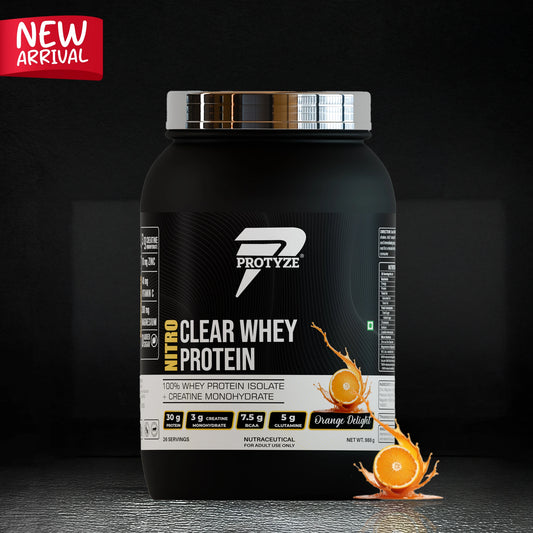
- Plant or whey protein powder: Whey (from milk) suits lacto-vegetarians. Pea, soy or blended plant proteins suit vegans. One scoop usually gives 20 to 25 g.
Check labels for protein per serving, sugar and ingredients. If you have kidney problems or any health condition, talk to your doctor before using protein supplements.
Frequently asked questions
Which veg food has the highest protein?
Soya chunks have the most protein of any common vegetarian food, about 52 g per 100 g dry. Hemp seeds, pumpkin seeds and peanuts come next.
What is the richest source of protein for vegetarians in India?
Soya chunks, paneer, dals such as moong and masoor, rajma, chana, besan and peanuts are the richest and most affordable sources in India.
Is paneer better than eggs for protein?
100 g of paneer has about 18 g of protein, while one egg has about 6 g. Gram for gram, paneer has more protein, but it also has more fat and calories.
Can vegetarians build muscle?
Yes. Eat about 1.2 to 1.6 g of protein per kg of body weight from mixed sources such as soy, dairy, dals and seeds, and do regular strength training.
Do vegetarians get complete protein?
Yes. Soy, quinoa and dairy are complete proteins. Combining grains with dals, such as dal-chawal or rajma-roti, also gives all essential amino acids.
How can I get 100 g of protein a day as a vegetarian?
Add a protein food to every meal, use soya chunks or paneer daily, snack on roasted chana and nuts, and add one scoop of protein powder if needed.
Conclusion
Getting enough protein as a vegetarian is simple once you know the right foods. Build your meals around soya chunks, paneer, dals, legumes, nuts and seeds, and add one protein food to every meal. Use the chart above as your quick guide, and try the sample diet plan this week.
Which high protein vegetarian food do you eat most? Tell us in the comments.
This article is for general information and is not medical advice. Talk to a doctor or registered dietitian before making big changes to your diet.