
Losing weight often starts with one big question: Which diet should I follow? Keto and vegan diets are two popular approaches, but they work in very different ways. Keto focuses on reducing carbohydrates and increasing fat intake, while a vegan diet eliminates animal products and emphasizes plant-based foods.
So, keto vs vegan for weight loss—which one is better?
The answer depends on your calorie intake, food preferences, protein intake, activity level, and how easily you can follow the diet consistently. Instead of looking for a quick fix, it's better to understand how both diets work and choose an approach that fits your lifestyle.
What Is the Keto Diet?
The ketogenic, or keto, diet is a low-carbohydrate, high-fat diet. The goal is to significantly reduce carbohydrate intake so the body can enter a metabolic state called ketosis.
When carbohydrate intake is very low, the body relies more heavily on fat and ketones for energy.
A typical keto diet includes:
- Eggs and meat
- Fish and seafood
- Cheese and other dairy products
- Avocados
- Nuts and seeds
- Olive oil
- Low-carbohydrate vegetables
- Healthy fats
Foods such as rice, bread, pasta, sugary drinks, sweets and many high-carbohydrate foods are restricted.
For people searching for a keto diet plan for weight loss, the main consideration is whether the diet helps them maintain a calorie deficit while providing adequate nutrition.
What Is a Vegan Diet?
A vegan diet eliminates foods derived from animals, including meat, fish, eggs and dairy. Instead, it focuses on plant-based foods.
A balanced vegan diet can include:
- Vegetables
- Fruits
- Beans and lentils
- Chickpeas
- Tofu and tempeh
- Nuts and seeds
- Whole grains
- Plant-based milk
A vegan diet can be useful for weight management because many minimally processed plant foods are rich in fiber and relatively low in calorie density.
However, simply eliminating animal products doesn't automatically result in weight loss. Portion sizes, total calories and food quality still matter.
If you're interested in a vegetarian diet plan for weight loss, a similar principle applies: focus on whole foods, sufficient protein, fiber and controlled portions.
Keto vs Vegan for Weight Loss
So, which is better for losing weight?
1. Calorie Control
Weight loss ultimately requires a sustained calorie deficit.
Keto may help some people control calories because high-fat and protein-rich meals can feel filling. However, foods such as cheese, nuts, oils and butter can also be calorie-dense.
A vegan diet can make calorie control easier when it emphasizes vegetables, fruits, legumes and other minimally processed foods. However, vegan desserts, fried foods and processed snacks can still be high in calories.
Winner: It depends on food choices and calorie intake.
2. Protein Intake
Protein is particularly important during weight loss because maintaining adequate protein intake can help support muscle maintenance.
Keto diets can provide protein through eggs, meat, fish and dairy.
Vegans need to plan their meals carefully to obtain sufficient protein from foods such as tofu, tempeh, lentils, beans, chickpeas, soy foods and seeds.
If you're looking for high protein diet foods for fat loss, focus on including a protein source at each major meal rather than relying on one food or supplement.
For additional information, you can internally link this section to your article about protein-rich foods in India for daily protein needs.
3. Fiber and Fullness
One major difference between keto and vegan diets is fiber intake.
Because keto restricts many carbohydrate-rich foods, including grains, legumes and some fruits, getting enough fiber requires careful food selection.
A well-planned vegan diet can naturally provide significant fiber through vegetables, fruits, legumes, whole grains, nuts and seeds.
Fiber can help support fullness and digestive health, making high-fiber foods useful in a healthy weight loss diet plan.
4. Sustainability
The best diet isn't necessarily the one that produces the fastest initial results. It's the one you can follow consistently.
Keto requires strict carbohydrate restriction, which can make social occasions, eating out and traditional meals more challenging.
Vegan diets can also require planning, particularly when eating outside the home or trying to maintain adequate protein and micronutrient intake.
Your personal preferences therefore matter.
If you want more ideas, our guide to the top diet plans for effective and sustainable weight loss compares several popular approaches and explains why long-term consistency matters.
Can You Lose Weight on a Vegan Diet?
Yes. A vegan diet can support weight loss when it provides appropriate portions, adequate protein and nutrient-dense foods.
A simple vegan weight-loss plate could include:
- Tofu or lentils for protein
- Plenty of vegetables
- A moderate portion of brown rice or another whole grain
- Healthy fats from seeds or nuts
The important point is that vegan doesn't automatically mean low-calorie.
Large portions of processed vegan foods, fried foods or sugary products can still make it difficult to lose weight.
Can You Lose Weight on Keto?
Yes, keto can also support weight loss.
The combination of carbohydrate restriction, increased fat intake and adequate protein may help some people manage appetite and reduce overall calorie intake.
However, keto isn't a requirement for fat loss. You can lose weight with other dietary patterns as long as your overall nutrition and calorie intake support your goal.
If you're considering a low-carb diet plan for weight loss, focus on nutrient-dense foods rather than simply removing carbohydrates.
Keto vs Vegan: Which Diet Is Better?
There isn't one universal winner.
| Factor | Keto | Vegan |
| Carbohydrates | Very low | Usually moderate to high |
| Animal foods | Allowed | Avoided |
| Plant foods | Selective | Main focus |
| Fiber | Can require planning | Often easier to obtain |
| Protein | Generally easier | Requires more planning |
| Food flexibility | More restrictive | Depends on food choices |
| Long-term adherence | Individual | Individual |
| Weight loss | Can be effective | Can be effective |
The best diet for weight loss is ultimately the one that helps you maintain a sustainable calorie deficit while providing enough protein, fiber, vitamins, minerals and other essential nutrients.
What About Protein During Weight Loss?
Regardless of whether you choose keto or vegan, protein deserves attention.
Adequate protein can help you maintain muscle while losing body fat and can also make meals more satisfying.
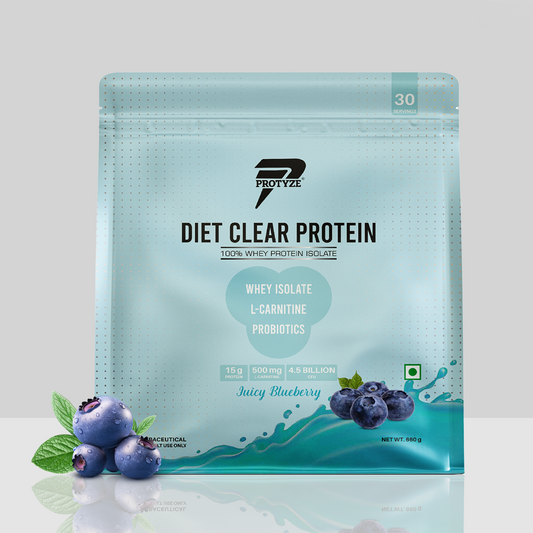
For people who struggle to reach their daily protein target through food alone, a protein supplement can be a convenient option.
However, remember that Protyze Clear Whey is whey protein and therefore is not vegan. If you're following a strict vegan diet, choose plant-based protein sources instead.
For a broader explanation of protein and fat loss, you can link to why low-protein diet plans can make fat loss harder.
Can You Combine Keto and Vegan?
A combination of keto and vegan eating is possible, although it can be considerably more restrictive.
A vegan keto diet for weight loss generally focuses on foods such as:
- Tofu
- Tempeh
- Avocado
- Nuts and seeds
- Chia seeds
- Leafy vegetables
- Cauliflower
- Zucchini
- Unsweetened plant-based foods
Because both diets eliminate many foods, careful meal planning is important to ensure adequate protein, essential fats, fiber, vitamins and minerals.
Final Verdict: Keto or Vegan for Weight Loss?
So, keto vs vegan—which one is better for weight loss?
Neither diet is automatically better for everyone.
Keto may suit people who prefer low-carbohydrate, higher-fat meals and can comfortably maintain strict carbohydrate limits. A vegan diet may suit people who prefer plant-based foods and enjoy a high-fiber eating pattern.
The most effective approach is the one you can maintain while controlling calories, eating enough protein, staying active and getting adequate nutrition.
Instead of focusing only on “keto vs vegan,” focus on building a sustainable eating pattern that supports your long-term goals.