![Sabja Seeds: Complete Guide to Benefits, Uses, Side Effects and Comparisons [2026 Edition]](http://www.protyze.com/cdn/shop/articles/Sabja_Seeds_-_Complete_Guide_to_Benefits_Uses_Side_Effects_and_Comparisons_copy.png?v=1788935949&width=1100)
Tiny seeds, big benefits that’s the best way to describe sabja seeds. Also known as basil seeds or falooda seeds, these little black seeds may look simple, but once soaked in water, they transform into jelly-like pearls packed with powerful health benefits. For centuries, sabja seeds have been used in traditional diets to cool the body, improve digestion, and boost overall wellness and today, they’re making a strong comeback among health-conscious people.
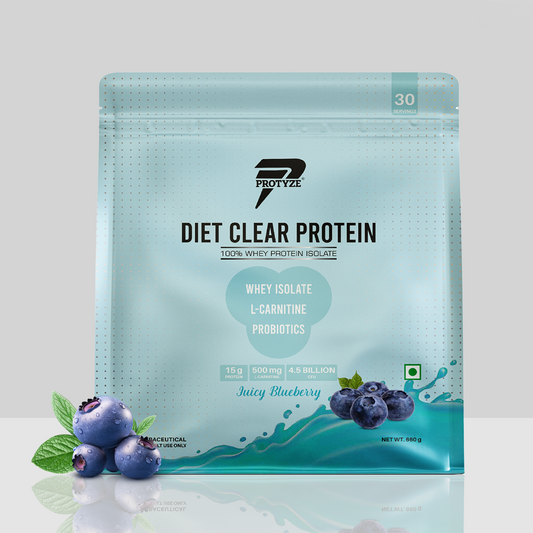
Whether your goal is better digestion, weight management, glowing skin, or natural hydration, sabja seeds offer an easy and affordable solution. They require no cooking, mix well with drinks and meals, and fit perfectly into modern healthy lifestyles. When paired with smart nutrition like adding a light protein option such as Protyze Diet Clear Whey Protein for extra protein and gut support sabja seeds can become part of a truly balanced routine.
In this guide, we’ll break down everything you need to know about sabja seeds what they are, their benefits, how to use them, possible side effects, and how they compare to other popular seeds. Let’s explore why these tiny seeds deserve a big place in your daily diet.
What Are Sabja Seeds?
Sabja seeds come from the sweet basil plant, which is the same plant we use for leaves in cooking. The seeds are small, black, and oval-shaped. They don’t have much taste on their own, but when you soak them in water, they get a gel-like coating that makes them fun to eat. This gel comes from the fiber in the seeds, which absorbs water and swells up.
These seeds are often confused with chia seeds because they look similar and do the same swelling thing. But sabja seeds are from basil, while chia comes from a different plant. Sabja seeds are common in tropical areas and have been used in traditional remedies for cooling the body and helping digestion. A single teaspoon of dry sabja seeds can expand to fill a whole glass when soaked, making them a filling addition to drinks or desserts.
In terms of nutrition, sabja seeds are loaded with good stuff. One tablespoon (about 13 grams) has around 60 calories, 2 grams of protein, 7 grams of carbs, 5 grams of fiber, and small amounts of fat. They also have minerals like iron, magnesium, and calcium, plus omega-3 fatty acids. The high fiber is what makes them stand out, as it helps with digestion and keeps you full. If you’re into healthy eating, sabja seeds are a natural way to add fiber and nutrients without much effort.
The Nutritional Profile of Sabja Seeds
To understand why sabja seeds are so good, let’s look at what’s inside them. These seeds are a natural source of many important nutrients:
-
Fiber: About 5 grams per tablespoon. This is the main nutrient that helps with digestion and feeling full.
-
Protein: Around 2 grams per tablespoon. It’s not a lot, but it adds up when combined with other foods.
-
Omega-3 Fatty Acids: Sabja seeds have alpha-linolenic acid (ALA), a plant-based omega-3 that supports heart health and reduces inflammation.
-
Minerals: They’re rich in iron (for energy), magnesium (for muscles), calcium (for bones), and potassium (for blood pressure).
-
Antioxidants: The seeds contain compounds that fight free radicals, helping your body stay healthy.
- Low Calories: With just 60 calories per tablespoon, they’re a light addition to your diet.
The gel-like coating from soaking is made of soluble fiber, which acts like a sponge in your gut, helping with smooth digestion. Compared to other seeds, sabja has more fiber than oats but less protein than chia. This mix makes them a balanced choice for everyday health.
Benefits of Sabja Seeds
Sabja seeds have many benefits that can help your body in different ways. Here are some of the main ones:
1. Helps with Weight Loss
Sabja seeds are great for people trying to lose weight. The fiber in them swells up in your stomach, making you feel full for longer. This can help you eat less and avoid snacking on unhealthy foods. They’re low in calories too, so you can add them to meals without worrying about extra weight. Some people soak sabja seeds in water and drink it in the morning to start their day feeling satisfied. The fiber also slows down how fast your body absorbs sugar, which can keep your blood sugar steady and reduce cravings.
2. Supports Digestion
The soluble fiber in sabja seeds acts like a gentle cleaner for your gut. It helps food move through your system smoothly, preventing constipation. The gel coating protects your stomach lining and can ease acid reflux or heartburn. If you have tummy troubles, adding soaked sabja seeds to your diet can make things better naturally. They also promote good bacteria in your gut, which is key for overall digestion.
3. Keeps You Hydrated
When you soak sabja seeds, they absorb a lot of water and turn into a gel. This can help your body stay hydrated, especially in hot weather or after exercise. The seeds release water slowly in your system, acting like a natural hydration boost. This is useful for people who forget to drink enough water or sweat a lot during workouts.
4. Boosts Skin Health
The antioxidants in sabja seeds fight damage from free radicals, which can make your skin look older. They also help with hydration, keeping your skin moist and healthy. Some people use sabja seeds in face masks or eat them to reduce acne or brighten their skin. The omega-3 fatty acids support skin repair and reduce inflammation.
5. Improves Heart Health
Sabja seeds have omega-3s that can lower cholesterol and blood pressure. The fiber helps remove bad cholesterol from your body, reducing the risk of heart problems. Potassium in the seeds supports healthy blood flow, and magnesium relaxes blood vessels. Eating sabja seeds regularly can be a simple way to care for your heart.
6. Controls Blood Sugar
For people with diabetes or those watching their sugar levels, sabja seeds are helpful. The fiber slows down how fast your body absorbs sugar from food, preventing spikes in blood sugar. This can make it easier to manage your energy and avoid crashes. Soaking sabja seeds in water and drinking it with meals is a common way to use them for this benefit.
7. Reduces Stress and Boosts Mood
Magnesium in sabja seeds helps relax your muscles and mind, reducing stress. The seeds can also support better sleep, which improves your mood. Some people add them to calming drinks like lemon water for a soothing effect.
8. Supports Bone Health
Calcium and magnesium in sabja seeds help keep your bones strong. This is important as you age or if you exercise a lot, to avoid bone weakness.
9. Aids Detox
The fiber acts like a detox for your body, helping remove toxins from your gut. This can improve your overall health and make you feel lighter.
10. Boosts Immunity
Antioxidants and minerals like zinc and iron help your immune system fight off infections. Eating sabja seeds can give your body a natural defense boost.
These benefits make sabja seeds a simple addition to your diet for better health.
Uses of Sabja Seeds
Sabja seeds are easy to use in many ways. Here’s how you can add them to your day:
1. Soaked in Water
- Soak 1 teaspoon of seeds in a glass of water for 10-15 minutes. They’ll swell up. Drink it plain or with lemon for a refreshing drink.
2. In Drinks
- Add soaked sabja to lemonade, coconut water, or smoothies for a fun texture. It’s like adding jelly to your drink.
3. In Desserts
- Mix them into puddings, ice cream, or falooda for a chewy bite. They’re common in sweet treats.
4. With Yogurt
- Stir soaked seeds into yogurt or curd for a healthy snack. Add fruit for extra flavor.
5. In Salads or Soups
- Sprinkle soaked sabja on salads for crunch or add to soups for thickness.
6. As a Thickener
- Use the gel to thicken sauces or dressings without extra calories.
7. In Baking
- Add them to muffins or breads for fiber and texture.
Soak them first for best results, as dry seeds are hard to chew.
Side Effects of Sabja Seeds
Sabja seeds are safe for most, but here are some side effects to watch:
-
Choking Risk: Dry seeds can swell in your throat if not soaked always soak them.
-
Digestive Upset: Too many can cause bloating or loose stools from high fiber.
-
Blood Sugar Drop: They might lower blood sugar, which is good but can be too much if you take medicine.
-
Allergies: Rare, but some might have skin rashes or itching.
-
Pregnancy: Safe in small amounts, but check with a doctor for large doses.
- Medication Interactions: Might affect how your body absorbs some medicines.
Start with 1 teaspoon a day and increase slowly to see how your body reacts.
Comparisons with Other Seeds
Sabja seeds are often compared to chia, flax, and other seeds. Here’s how they stack up:
Sabja vs. Chia Seeds
-
Similarity: Both swell in water and have fiber for digestion.
-
Difference: Chia has more omega-3s, while sabja is better for cooling and hydration. Sabja is cheaper and expands faster.
- Winner: Chia for heart health, sabja for quick fiber boost.
Sabja vs. Flax Seeds
-
Similarity: Both have omega-3s and fiber for gut health.
-
Difference: Flax is nutty and has more lignans for hormones, while sabja is neutral and better for hydration.
- Winner: Flax for women’s health, sabja for easy digestion.
Sabja vs. Quinoa Seeds
-
Similarity: Both add protein and fiber to meals.
-
Difference: Quinoa is a grain with more protein (8g per half cup), while sabja is a seed with more gel for filling you up.
- Winner: Quinoa for meals, sabja for drinks.
Sabja vs. Sesame Seeds
-
Similarity: Both small seeds with minerals.
-
Difference: Sesame has more calcium for bones, while sabja is better for fiber and hydration.
- Winner: Sesame for cooking, sabja for health drinks.
Sabja stands out for its swelling property and low cost.
How to Choose and Store Sabja Seeds
Pick good sabja seeds with these tips:
-
Color and Size: Look for black, shiny seeds without dust.
-
Purity: Buy from a trusted store to avoid dirt or bugs.
-
Packaging: Sealed bags keep them fresh.
- Store: Keep in a cool, dry place in an airtight jar. They last 1-2 years.
Soak only what you need to avoid waste.
Conclusion
Sabja seeds are small but mighty, with benefits like helping weight loss, improving digestion, keeping you hydrated, and boosting skin and heart health. They’re easy to use in drinks, desserts, or salads, and their fiber makes them filling. While they can cause side effects like bloating if overeaten, they’re safe for most people in moderation.
Compared to chia or flax, sabja is a great choice for hydration and fiber. If you’re looking for a protein boost without added sugars, Protyze Diet Clear Whey Protein (15g protein with probiotics) can pair well with sabja seeds for a healthy, gut-friendly snack. Try adding sabja to your diet, and see how it helps you feel better!