
Yes, you can drink protein every day if you need help meeting your daily protein requirements. Protein supplements such as whey protein can be a convenient way to increase protein intake, support muscle recovery and maintain lean muscle. However, how much protein you need depends on factors such as your body weight, activity level, age, diet and fitness goals.
If you're considering adding a protein drink to your daily routine, here's what you need to know.
Key Takeaways
- Protein can be consumed every day as part of a balanced diet.
- Your total daily protein intake matters more than how many protein shakes you consume.
- Active individuals may need more protein than less-active adults.
- Whey protein is a convenient source of complete protein.
- Different protein formats can suit different dietary preferences and lifestyles.
- Functional protein combines protein supplementation with additional functional features or ingredients, depending on the formulation.
- More protein isn't necessarily better once your nutritional requirements are met.
What Happens When You Drink Protein Every Day?
Drinking protein every day can make it easier to consistently meet your daily protein requirements. When combined with appropriate nutrition and exercise, adequate protein intake can support muscle maintenance, recovery and an active lifestyle.
1. It Helps You Meet Your Daily Protein Target
Getting enough protein from regular meals isn't always easy, particularly when you're busy or have higher protein requirements.
A protein drink can provide a convenient way to add protein without preparing another complete meal.
2. It Supports Muscle Recovery
Exercise places stress on your muscles. Protein provides amino acids that your body uses for muscle repair and maintenance.
For people who regularly participate in strength training, sports or other physical activities, getting enough protein can support recovery.
3. It Helps Maintain Lean Muscle
Adequate protein intake is important for maintaining muscle mass.
This can be particularly relevant when you're trying to lose body fat while maintaining lean muscle. Protein works alongside resistance training and appropriate nutrition rather than replacing them.
4. It Makes a High-Protein Diet More Convenient
Preparing protein-rich meals throughout the day can take time.
A protein shake can be prepared quickly, making it useful after training, between meals or whenever you need additional protein.
5. It Can Support Different Fitness Goals
Protein can play a role in several fitness and nutrition goals, including muscle building, recovery and maintaining lean muscle.
The goal should be to consume an appropriate amount of protein consistently, rather than simply consuming as much protein as possible.
Is It Safe to Drink Protein Every Day?
For most healthy people, consuming an appropriate amount of protein every day can be part of a balanced diet.
The important consideration is your total protein intake and overall diet, rather than simply whether you drink a protein shake every day.
If you already get enough protein from foods such as eggs, dairy, fish, chicken, soy, pulses and other protein-rich foods, you may not need a protein supplement every day.
A protein supplement should complement a varied diet rather than replace nutritious whole foods.
If you have a medical condition or have been advised to follow a specific protein intake, speak with a qualified healthcare professional before significantly changing your diet.
How Much Protein Do You Need Every Day?
Your protein requirement depends on factors such as body weight, activity level, age, body composition and fitness goals.
| Person / Goal | Approximate Daily Protein Intake* | Primary Purpose |
| Generally healthy adult | ~0.8 g/kg | Basic nutritional requirement |
| Regularly active adult | ~1.2–1.6 g/kg | Recovery and muscle maintenance |
| Strength training / muscle gain | ~1.6–2.0 g/kg | Muscle growth and recovery |
| Fat-loss / calorie deficit | ~1.6–2.0 g/kg | Help preserve lean muscle |
For generally healthy adults, the basic protein requirement is around 0.8 g per kg of body weight per day. People who exercise regularly may require more depending on their training and goals.
*These are general ranges and not individualized recommendations. Protein requirements can vary based on individual circumstances.
For example, a 70 kg person would need approximately 56 g of protein per day at 0.8 g/kg. Someone who exercises regularly may require considerably more.
Your daily protein total includes protein from food, beverages and supplements.
Can You Drink Whey Protein Every Day?
Yes, whey protein can be consumed every day when it fits your overall protein and calorie requirements.
Whey is a complete protein source containing all nine essential amino acids. It can be particularly useful when you need a convenient way to increase your protein intake.
You can use whey protein:
- After a workout
- Between meals
- With breakfast
- As an afternoon snack
- When your meals don't provide enough protein
However, you don't have to consume whey protein every day. If your regular diet already provides enough protein, additional supplementation may not be necessary.
How to Choose the Right Protein for Daily Use
Once you've decided that a protein supplement fits your routine, the next question is:
Which type of protein is right for you?
Not all protein supplements are designed around the same experience. Some focus primarily on delivering protein, while others may offer different formats, ingredients or functional features.
The right choice depends on your protein requirements, fitness goals, dietary preferences and lifestyle.
Whey Protein
Traditional whey protein is a popular option for people looking for a convenient source of complete protein.
It can work well for:
- Muscle recovery
- Daily protein supplementation
- Post-workout nutrition
- People who enjoy creamy shakes
Whey Isolate
Whey isolate is a more refined form of whey protein with a high proportion of protein.
It may be preferred by people looking for a high-protein option with a different nutritional profile from standard whey concentrates.
Clear Whey
Clear whey offers a different experience from traditional creamy protein shakes.
It mixes into a lighter, refreshing, juice-like drink and can be useful for people who don't enjoy thick protein shakes.
Functional Protein
Functional protein takes the concept of protein supplementation a step further by combining protein with additional functional features or ingredients, depending on the formulation.
Why Functional Protein Is Different
Functional protein is designed to provide protein while also incorporating additional functional features or ingredients, depending on the product formulation.
Traditional protein powders primarily focus on helping you increase your protein intake. Functional protein products may combine protein with other ingredients or characteristics designed around specific lifestyle or nutritional needs.
These may include considerations such as:
- Daily protein supplementation
- Muscle recovery and maintenance
- Convenience
- Refreshing formats
- Hydration-focused consumption
- Additional functional ingredients
The exact benefits depend on the individual product and its formulation.
Functional Protein vs Traditional Whey Protein
| Feature | Traditional Whey Protein | Functional Protein |
| Primary purpose | Increase protein intake | Protein plus additional functional features |
| Protein source | Often whey | Can vary depending on formulation |
| Complete protein | Yes, when whey is the source | Depends on protein source |
| Daily use | Yes | Yes, when appropriate |
| Formats | Commonly shakes | Can include shakes, clear drinks and other formats |
| Lifestyle focus | Primarily protein and fitness | Protein plus additional functional positioning |
Functional protein isn't automatically better than traditional whey protein. The right choice depends on the ingredients, nutritional profile and what you want from your protein supplement.
Is Functional Protein Better for Everyday Use?
It can be, depending on what you're looking for from your daily protein supplement.
If your primary goal is simply to increase your protein intake, a quality whey protein may be sufficient.
If you want a protein product that combines protein with additional functional features, a functional protein may fit your daily routine better.
When choosing a functional protein, don't focus only on the word "functional." Look at:
- Protein per serving
- Ingredient list
- Serving size
- Added ingredients
- Sugar and calorie content
- Dietary preferences
- How it fits into your daily protein target
This helps you choose a product based on what it actually provides rather than its marketing category.
Can You Drink Clear Whey Every Day?
Yes, clear whey can be used as a daily protein supplement when it fits your nutritional requirements.
Clear whey is particularly useful for people who prefer a lighter alternative to traditional creamy shakes.
You can have it:
- After workouts
- Between meals
- During busy days
- As part of your daily protein routine
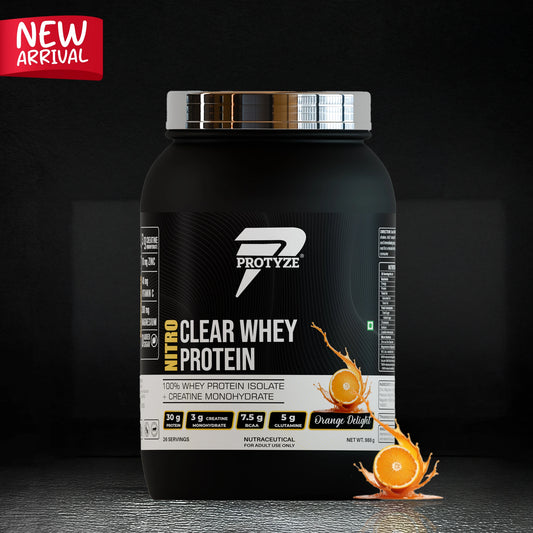
For people looking for a refreshing way to increase protein intake, Protyze Clear Whey can be incorporated into an active lifestyle.
Whey Protein vs Food: Which Is Better?
Whole foods should form the foundation of your diet, while protein supplements can provide additional convenience when you need more protein.
| Protein Source | Main Advantage | Best Used For |
| Eggs | Protein plus other nutrients | Breakfast and meals |
| Chicken / fish | Protein-rich whole foods | Main meals |
| Dairy / curd | Protein and other nutrients | Meals and snacks |
| Pulses / legumes | Plant protein and fibre | Everyday meals |
| Whey protein | Convenient complete protein | Post-workout / between meals |
| Clear whey | Light, refreshing protein drink | People who prefer juice-like drinks |
There is no need to choose exclusively between food and protein powder.
A practical approach is to build your diet around a variety of nutritious foods and use protein supplements when they make meeting your protein target easier.
Should You Drink Protein on Rest Days?
Yes, you can drink protein on rest days.
Your body continues to repair and maintain muscle even when you aren't training.
However, you don't necessarily need a protein shake if you're already meeting your daily protein requirement through food.
Your overall daily protein intake matters more than whether it is a training day or rest day.
Does Drinking Protein Every Day Build Muscle?
Protein supports muscle growth, but drinking protein alone does not build muscle.
Muscle growth generally requires a combination of:
- Progressive resistance training
- Adequate protein
- Sufficient overall nutrition
- Appropriate calorie intake
- Rest and recovery
A protein shake is simply one convenient way of adding protein to your diet.
What Happens If You Drink Too Much Protein?
More protein isn't necessarily better.
Once you've consumed enough protein to meet your body's requirements, consuming substantially more does not automatically result in additional muscle growth.
Very high protein intake can also make it harder to maintain a balanced diet if supplements begin replacing other nutritious foods.
Some people may also experience digestive discomfort from consuming large amounts of protein or certain protein products.
The better approach is to establish an appropriate daily protein target and distribute your protein intake across meals and supplements when useful.
When Is the Best Time to Drink Protein?
There isn't one universally required time to drink protein.
For most people, consistently meeting their overall daily protein target is more important than focusing on a narrow timing window.
You can consume protein:
- After your workout
- Between meals
- With breakfast
- As an afternoon snack
- Whenever it fits your routine
Post-workout protein can be convenient, but you don't need to obsess over exact timing if your overall protein intake is adequate.
Who Can Benefit From Drinking Protein Every Day?
A daily protein supplement may be useful for people who:
- Struggle to get enough protein from food
- Exercise regularly
- Follow a structured fitness program
- Have busy schedules
- Need a convenient post-workout option
- Prefer refreshing protein drinks
- Want an easy way to increase daily protein intake
However, not everyone needs a protein supplement every day.
If you're already meeting your protein requirements through your regular diet, additional supplementation may not be necessary.
Should You Drink Protein Every Day?
You don't have to drink protein every day—but you can if it helps you meet your nutritional goals.
The most important factor is getting an appropriate amount of protein consistently through your overall diet.
Whole foods can provide most of your daily nutrition, while whey protein, whey isolate, clear whey and functional protein can provide convenient ways to supplement your protein intake.
When choosing a daily protein supplement, consider the protein content, ingredients, nutritional profile, serving size, taste and how easily it fits into your lifestyle.
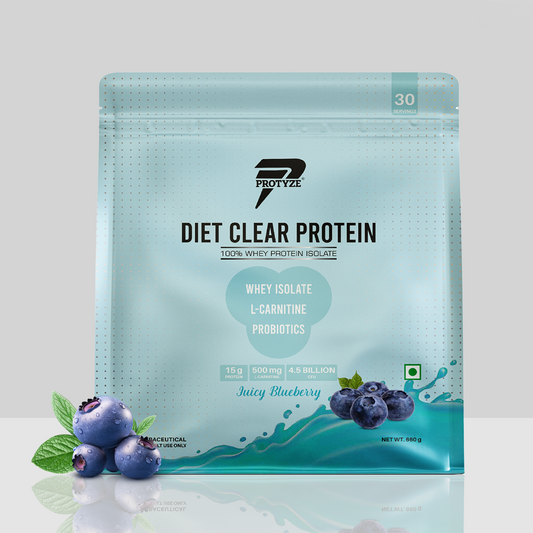
For people looking for convenient and refreshing protein options, Protyze's range of functional protein and clear whey products can fit into an active daily routine.
Frequently Asked Questions
Is it okay to drink protein every day?
Yes. For most healthy people, an appropriate amount of protein can be consumed every day as part of a balanced diet.
Can I drink whey protein every day?
Yes. Whey protein can be consumed daily when it fits within your overall protein and calorie requirements.
What is functional protein?
Functional protein is a protein supplement designed to provide protein along with additional functional features or ingredients, depending on its formulation.
Is functional protein good for everyday use?
Functional protein can be used every day when it helps meet your protein requirements and its ingredients fit your diet and lifestyle.
What is the difference between functional protein and whey protein?
Whey protein describes a protein source, while functional protein generally describes a product that combines protein with additional functional features or ingredients. A functional protein product can also use whey as its protein source.
Can I drink protein twice a day?
Yes, if needed to meet your daily protein target. Your total daily protein intake matters more than the number of protein shakes you consume.
Can I drink protein on rest days?
Yes. Your body continues to repair and maintain muscle on rest days, so adequate protein intake remains important.
Does protein powder help build muscle?
Protein provides amino acids needed for muscle repair and growth, but muscle development also requires appropriate resistance training, nutrition and recovery.
Is clear whey good for daily use?
Clear whey can be used daily when it fits your overall nutritional requirements. It is a convenient option for people who prefer a lighter, refreshing protein drink.
How much protein should I consume every day?
Protein requirements vary by individual. A generally healthy adult may require around 0.8 g/kg of body weight per day as a basic requirement, while active individuals may require more depending on their goals and training.
What is the best protein powder for daily use?
The best protein powder depends on your protein requirements, fitness goals, ingredients, dietary preferences, taste and how easily it fits into your routine. Whey protein, clear whey and functional protein are all options depending on individual needs.