
Getting enough protein on a vegetarian or vegan diet is completely possible when you choose a variety of protein-rich foods. Protein is important for muscle repair, strength, recovery, enzymes, hormones and many other functions in the body.
Vegetarians can get protein from dairy, pulses, legumes, grains, nuts and seeds, while vegans can rely entirely on plant-based foods. The key is to include different protein sources throughout the day rather than depending on just one food.
Quick Answer
The best protein sources for vegetarians and vegans include lentils, chickpeas, beans, tofu, tempeh, edamame, seitan, quinoa, peas, hemp seeds, chia seeds, pumpkin seeds, peanuts, soy milk and nutritional yeast. Eating a variety of these foods throughout the day can help you meet your protein needs while also providing fiber, vitamins and minerals.
Here are 15 of the best protein sources for vegetarians and vegans.
1. Lentils
Lentils are one of the most affordable and versatile vegetarian protein sources. Cooked lentils provide around 9 g of protein per 100 g, along with fibre, iron and other nutrients.
You can add them to dal, soups, salads, khichdi or curries. Combining lentils with rice or other grains can also create a balanced meal.
2. Chickpeas
Chickpeas provide around 8–9 g of protein per 100 g when cooked. They are also rich in fibre and can help make meals more filling.
You can use chickpeas in chana masala, hummus, salads, wraps or roasted snacks.
3. Kidney Beans
Kidney beans, commonly known as rajma, are another useful source of plant protein. Cooked rajma provides approximately 8–9 g of protein per 100 g.
Rajma with rice is a popular combination because pulses and cereals complement each other nutritionally.
4. Green Gram
Green gram, or moong dal, is a convenient protein source commonly used in Indian diets. Cooked moong provides around 7 g of protein per 100 g.
You can include it as dal, sprouts, chilla or in salads.
5. Soybeans
Soybeans are among the highest-protein plant foods. Cooked soybeans can provide around 16–17 g of protein per 100 g.
Soy can also be consumed as tofu, tempeh, soy milk and other soy-based foods. These options can make it easier for vegans to increase their daily protein intake.
6. Tofu
Tofu is made from soybeans and is a popular vegan protein source. Depending on the type, tofu can provide approximately 8–15 g of protein per 100 g.
It can be grilled, stir-fried, added to curries or used in wraps and salads.
7. Peanuts
Peanuts provide around 25–26 g of protein per 100 g and are also a source of healthy fats and calories.
Peanut butter can be added to toast, oats or smoothies. However, because peanuts are calorie-dense, portion size is important if you are managing your calorie intake.
8. Almonds
Almonds contain around 21 g of protein per 100 g. They also provide healthy fats, fibre, magnesium and other nutrients.
A small handful of almonds can be used as a snack or added to oats, smoothies and breakfast bowls.
9. Pumpkin Seeds
Pumpkin seeds are a convenient way to add protein and healthy fats to your diet. They contain roughly 29–30 g of protein per 100 g.
You can sprinkle them over salads, oats, yoghurt or smoothies. Because seeds are calorie-dense, a moderate serving is usually sufficient.
10. Chia Seeds
Chia seeds provide approximately 16–17 g of protein per 100 g and are also rich in fibre and omega-3 fatty acids.
They can be added to overnight oats, smoothies, yoghurt or chia pudding. While chia seeds contain protein, they are usually eaten in smaller quantities, so they should complement other protein sources rather than be your main source.
11. Quinoa
Quinoa is a useful plant-based protein source and is also a grain-like food that can be used instead of rice or other grains.
Cooked quinoa provides around 4 g of protein per 100 g. It can be combined with beans, vegetables, tofu or lentils to create a higher-protein meal.
12. Oats
Oats provide around 13 g of protein per 100 g in their dry form. They are also a source of carbohydrates and fibre, making them useful for breakfast or pre-workout meals.
For a higher-protein breakfast, combine oats with milk or soy milk, nuts, seeds and yoghurt.
13. Milk and Greek Yoghurt
For vegetarians who consume dairy, milk and Greek yoghurt can provide convenient high-quality protein.
Greek yoghurt can provide approximately 8–10 g of protein per 100 g, depending on the product. It can be eaten with fruit, oats, nuts or seeds.
Vegans can choose fortified soy yoghurt or other plant-based alternatives, although protein content varies between products.
14. Paneer
Paneer is a popular vegetarian protein source made from milk. Depending on its preparation, paneer can provide approximately 18–20 g of protein per 100 g.
It can be added to curries, salads, wraps and grilled meals. Since paneer can also be relatively high in fat and calories, portion size should match your overall nutrition goals.
15. Protein Supplements
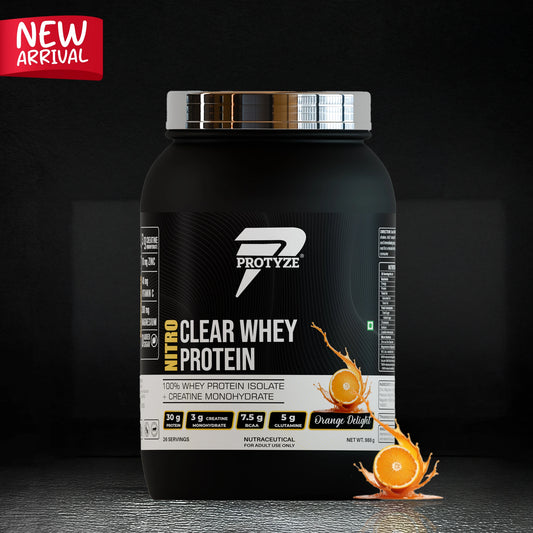
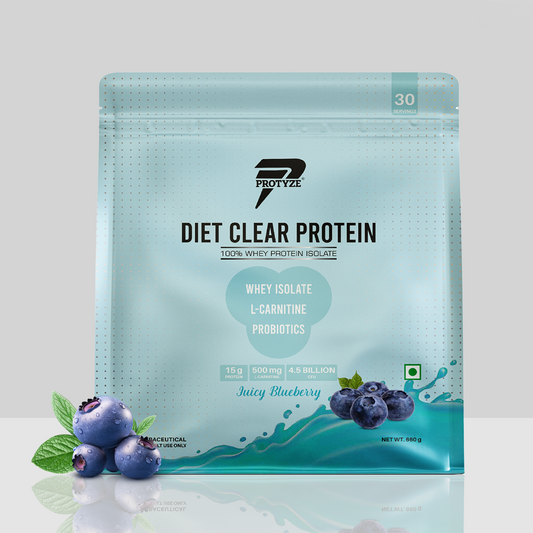
Protein supplements can be useful when it is difficult to reach your daily protein target through regular meals.
Plant-based protein powders commonly use sources such as peas, rice, soy or combinations of different plant proteins. A protein powders to build muscle option can be particularly convenient for people who train regularly and need an easy post-workout protein source.
For vegetarians who consume dairy, a whey protein supplement can also be an option. Whey is derived from milk, so it is vegetarian but not vegan.
How Can Vegetarians and Vegans Get Enough Protein?
The easiest approach is to include protein in every major meal instead of trying to consume most of your protein at one time.
For example:
Breakfast: Oats with milk or soy milk, chia seeds and almonds
Lunch: Rice with dal, vegetables and curd
Snack: Roasted chickpeas or peanuts
Dinner: Tofu or paneer with roti and vegetables
Post-workout: A suitable protein supplement if required
ICMR-NIN notes that pulses are important protein sources in vegetarian Indian diets and that combining cereals with pulses can improve the overall protein quality of a vegetarian or vegan diet.
What About Whey Protein for Vegetarians?
Whey protein can be a convenient option for vegetarians who consume dairy. It is made from milk and provides protein containing essential amino acids.
If your goal is whey protein for muscle gain, remember that the supplement works alongside resistance training and an adequate overall diet. It is not a replacement for balanced meals.
A muscle growth protein powder can help increase protein intake when food alone does not provide enough, but your overall daily protein intake, calories, training and recovery are more important than relying on a supplement alone.
Vegans should choose plant-based protein supplements instead because whey is a dairy-derived protein.
Are Plant Proteins Enough for Muscle Growth?
Yes. A well-planned vegetarian or vegan diet can provide enough protein to support muscle growth.
The important factor is variety. Instead of relying on one plant food, include pulses, beans, soy foods, grains, nuts and seeds throughout the day.
ICMR-NIN states that vegans following a varied diet containing vegetables, beans, grains, nuts and seeds can obtain adequate protein from their regular diet.
For people focused on muscle growth, resistance training and adequate overall nutrition are also essential. Simply increasing protein without appropriate exercise does not automatically result in more muscle.
Final Takeaway
Vegetarians and vegans have plenty of protein options, from lentils, chickpeas and rajma to tofu, soybeans, nuts, seeds and grains. Dairy foods such as Greek yoghurt and paneer provide additional options for vegetarians.
The best approach is to combine different protein sources across meals and choose foods according to your nutritional needs, calorie goals and lifestyle.
If you struggle to meet your protein needs through food, a suitable whey protein supplement for vegetarians or plant-based protein powder for vegans can be a convenient addition to your diet.