
Achieving a lean, defined physique while preserving muscle mass is one of the most sought-after goals in fitness. Current research (2024–2025) consistently demonstrates that the synergistic combination of adequate dietary protein and high fiber intake represents the most effective, sustainable strategy for simultaneous fat loss and muscle retention — particularly relevant for Indian dietary patterns.
Scientific Rationale: Why Protein + Fiber Outperforms Protein Alone
High protein intake (1.8–2.2 g/kg/day) is well established for muscle protein synthesis and elevated thermic effect of food (20–30 %). However, when combined with fiber ≥40 g/day, additional mechanisms are activated:
- Enhanced satiety via increased GLP-1, PYY, and CCK secretion
- Improved glycemic control and reduced insulinemic response
- Greater preservation of lean mass during energy deficit
- Superior visceral fat reduction compared to protein-only interventions
- Optimised gut microbiome composition supporting metabolic health
Clinical trials show individuals achieving both targets experience approximately 1.8–2.2× greater fat loss while maintaining 95–100 % of lean mass versus protein-only groups.
Recommended Evidence-Based Targets (2025)
|
Body Weight |
Fat Loss / Recomposition |
Lean Gain / Maintenance |
|
60 kg |
Protein: 120–150 g |
Protein: 110–140 g |
|
70 kg |
Protein: 140–180 g |
Protein: 130–160 g |
|
80 kg |
Protein: 160–200 g |
Protein: 145–180 g |
These ranges align with ISSN 2024 and ICMR-NIN 2024–25 updated guidelines for active Indian adults.
Practical Implementation Using Indian Dietary Patterns
Traditional Indian cuisine offers exceptional protein + fiber synergy when strategically modified:
- Morning meals combining oats or whole-grain sources with whey protein isolate and chia/sabja seeds deliver sustained energy and prolonged satiety.
- Lunch and dinner built around lentils (dal), legumes (rajma, chana), soya chunks, and generous vegetable portions routinely achieve 45–60 g protein and 18–25 g fiber per meal when portioned appropriately.
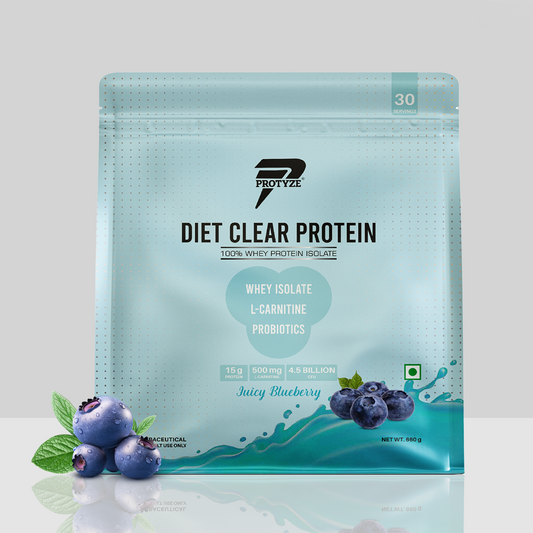
- Strategic use of third-party tested clear whey protein (e.g., Protyze Nitro Clear Whey Protein Isolate) enables precise protein targeting without lactose-related gastrointestinal discomfort common in Indian populations.
Key Advantages of This Approach
- Marked reduction in cravings and compensatory overeating
- Superior adherence compared to restrictive low-carb or intermittent fasting protocols
- Enhanced nutrient partitioning favouring fat oxidation
- Improved bowel regularity and microbiome diversity
- Sustainable long-term body composition maintenance
Professional Recommendations (November 2025)
- Prioritise whole-food sources providing concurrent protein and fiber (pulses, legumes, dairy + vegetable combinations)
- Utilise high-quality, lactose-free whey protein isolate to bridge remaining protein requirements
- Implement vegetable-first eating order to maximise fiber-induced satiety signalling
- Monitor progress via body composition analysis rather than scale weight alone
Conclusion
The combination of elevated dietary protein and fiber represents the evidence-based gold standard for achieving and maintaining a lean, muscular physique in 2026. This approach leverages physiological mechanisms that are particularly compatible with Indian dietary practices, offering superior outcomes in fat reduction, muscle preservation, and long-term adherence.
TL;DR
Optimal 2025 protocol for lean muscle + fat loss:
140–180 g protein + 45–60 g fiber daily via Indian meals + clear whey protein isolate → maximum fat loss with full muscle retention and excellent sustainability.