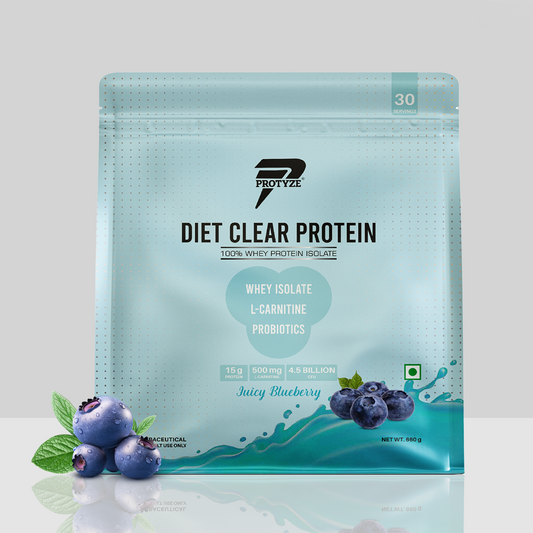

Intense workouts place your muscles under physical stress. Whether you are lifting weights, running long distances, playing sports, or following a demanding training program, your body needs adequate recovery to adapt to exercise and maintain performance.
Nutrition plays an important role in this process, especially protein intake. Whey protein is a convenient, high-quality source of protein that provides essential amino acids needed to support muscle protein synthesis and recovery after exercise. Research suggests that consuming whey protein alongside resistance exercise can enhance muscle protein synthesis, while protein supplementation may also help support the recovery of muscle function following demanding training.
Quick Answer
After intense exercise, your body needs adequate nutrition to repair and maintain muscle tissue. Consuming enough high-quality protein can support this process, helping you recover better and maintain your progress alongside proper training, hydration, and rest.
What Is Muscle Recovery?
Muscle recovery is the process through which your body responds and adapts after exercise. Training creates stress on muscle tissue, and recovery involves providing your body with sufficient nutrients, rest, hydration, and sleep.
A good recovery routine may include:
- Adequate daily protein intake
- Sufficient calories and carbohydrates
- Proper hydration
- Quality sleep
- Rest between demanding workouts
- A well-structured training program
While supplements can be convenient, they work best as part of an overall nutrition and recovery strategy.
Who Should Use Whey Protein?
Whey protein may be useful for people who:
- Regularly perform strength or resistance training
- Participate in endurance or high-intensity exercise
- Find it difficult to meet their daily protein needs through food
- Need a convenient protein source after workouts
- Want to support their overall muscle recovery and training routine
A muscle recovery protein supplement can be particularly useful when whole foods alone do not conveniently provide enough protein to meet your daily nutritional requirements.
Who Should Not Use Whey Protein?
Whey protein may not be suitable for everyone. People with a milk protein allergy should avoid whey-based products. Those who experience digestive discomfort or lactose intolerance may need to consider products with lower lactose content or alternative protein sources.
If you have a medical condition, are taking medication, or have been advised to follow a specific diet, it is best to consult a qualified healthcare professional before making significant changes to your protein or supplement intake.
How Whey Protein Supports Muscle Recovery
1. Provides Essential Amino Acids
Protein is made up of amino acids, which are needed for several processes in the body, including muscle protein synthesis. Whey protein is considered a high-quality protein source and contains essential amino acids, including leucine.
Following exercise, muscle protein synthesis increases, and consuming protein can further support this response. A systematic review and meta-analysis found that combining whey protein with exercise significantly increased post-exercise muscle protein synthesis.
This makes whey a convenient option for people looking for muscle recovery protein after training.
2. Supports Muscle Protein Synthesis
Muscle protein synthesis is the process through which the body uses amino acids to build and repair muscle proteins. Resistance training stimulates this process, and adequate dietary protein supports it.
Whey protein is rapidly digested and rich in essential amino acids, making it a practical protein source around training. Research indicates that whey protein combined with exercise can enhance muscle protein synthesis, although the overall effect depends on factors such as total protein intake, training status, and the amount consumed.
This is one reason muscle growth whey protein is commonly included in nutrition plans for people who follow regular resistance training.
3. Helps Maintain a Positive Protein Balance
Your muscles are constantly undergoing protein turnover, meaning muscle proteins are continuously being broken down and rebuilt. Exercise and nutrition can influence this balance.
Adequate protein intake supports muscle protein synthesis and helps provide the amino acids required for maintaining muscle tissue. Research reviews suggest whey protein may support muscle protein synthesis and contribute to maintaining a favourable net protein balance when combined with resistance training and sufficient overall nutrition.
However, whey protein is not a magic solution for preventing muscle breakdown. Total calorie intake, overall protein intake, training volume, recovery, and sleep all play important roles.
4. Supports Recovery of Muscle Function
After strenuous resistance exercise, muscle function can temporarily decline. Some research suggests whey protein supplementation may provide small-to-moderate benefits for the recovery of contractile function during the first few days after resistance training, although results across individual studies are mixed.
Protein supplementation may also help preserve certain measures of muscle strength after exercise-induced muscle damage, but evidence does not consistently show that it reduces muscle soreness.
Therefore, whey protein should be viewed as one part of a complete recovery strategy rather than a guaranteed solution for eliminating post-workout soreness.
Whey Protein for Muscle Gain
For people involved in resistance training, whey protein for muscle gain can be useful when it helps them consistently meet their total daily protein requirements.
Muscle growth depends on more than simply drinking protein shakes. You also need a suitable resistance-training program, enough overall calories for your goal, adequate recovery, and consistent nutrition.
A muscle growth whey protein shake can be particularly convenient after training or between meals, but it should complement—not replace—a balanced diet containing other quality protein sources.
Benefits of Whey Protein
Whey protein benefits include supporting muscle growth, muscle recovery, and strength development. It provides high-quality protein and essential amino acids that help repair muscles after exercise. Regular whey protein intake can also support daily protein requirements, muscle maintenance, and workout recovery. It is a convenient nutrition option for fitness enthusiasts and active individuals.
- Help you meet your daily protein requirements
- Provide essential amino acids
- Support post-exercise muscle protein synthesis
- Offer a convenient source of post-workout nutrition
- Support muscle maintenance and growth alongside resistance training
- Contribute to overall recovery nutrition
Side Effects and Things to Consider
Some people may experience bloating, gas, or digestive discomfort with whey protein, especially if they are sensitive to lactose or certain ingredients in the product.
Choosing the right type of whey and checking the ingredient list may help you find a product that better suits your preferences and digestion. Remember that consuming more protein than you need does not automatically lead to greater muscle growth.
Dosage
The amount of whey protein you need depends on your total daily protein intake, body weight, activity level, and fitness goals.
Instead of focusing only on the number of scoops, consider how much protein you already get from foods such as eggs, dairy, chicken, fish, paneer, tofu, soy, and pulses. Whey protein can then help fill any remaining gap in your daily intake.
Best Time to Take Whey Protein
There is no single “perfect” time to consume whey protein. Having it after a workout can be convenient, but your total daily protein intake and consistency are generally more important than precise timing.
You can use whey protein after training, between meals, or whenever it helps you meet your nutritional requirements.
FAQs
Does whey protein prevent muscle breakdown?
Whey protein provides amino acids that support muscle protein synthesis and overall protein balance. However, preventing excessive muscle loss also depends on adequate calories, total protein intake, appropriate training, and recovery.
Is whey protein good for muscle recovery?
Yes, whey protein can be a convenient source of high-quality protein to support post-exercise muscle recovery as part of a balanced diet and training routine.
Can I use whey protein for muscle gain?
Yes. Whey protein for muscle gain can be useful when it helps you meet your total protein requirements alongside regular resistance training and appropriate nutrition.
Does whey protein reduce muscle soreness?
Research does not consistently show that protein supplements reduce muscle soreness. Whey protein is better understood as nutritional support for muscle protein synthesis and recovery rather than a guaranteed remedy for soreness.
Conclusion
Whey protein can be a useful addition to your fitness routine by providing a convenient source of high-quality protein and essential amino acids. It can support muscle protein synthesis, contribute to recovery nutrition, and help people meet their daily protein requirements.
However, effective recovery and muscle maintenance depend on the complete picture: enough protein, adequate calories, smart training, hydration, quality sleep, and sufficient rest. When used alongside these habits, muscle recovery protein from whey can be a practical tool for supporting long-term training and fitness goals.