
Standing in front of a shelf full of protein powders, you've probably seen labels like "Low Sugar" and "Zero Sugar" everywhere. At first glance, they seem almost identical—but are they really? Many people assume zero sugar is always the healthier option, while others worry about artificial sweeteners and hidden ingredients. The truth is, the best choice depends on your fitness goals, dietary preferences, and overall lifestyle. Whether you're trying to lose weight, build muscle, manage your calorie intake, or simply make healthier choices, understanding the difference between low-sugar and zero-sugar protein can help you pick the right supplement instead of falling for marketing buzzwords. In this guide, we'll break down the key differences, benefits, and factors to consider before making your choice.
Why Sugar Matters in Protein Supplements
Protein powders were originally meant to help you recover and build muscle—not spike blood sugar.
Excess sugar in protein supplements can:
- Cause energy crashes
- Slow down fat loss
- Trigger bloating or cravings
- Impact insulin sensitivity over time
That’s why modern buyers now actively search for low-sugar or zero-sugar protein options.
But these two aren’t the same.
What Is Low-Sugar Protein?
Low-sugar protein typically contains 1–5g of sugar per serving.
Where does the sugar come from?
- Natural milk sugars (like lactose)
- Small amounts from flavoring ingredients
- Fruit-based or cocoa-based formulations
Pros of Low-Sugar Protein
- Slightly smoother taste
- Works well for beginners
- Suitable if you’re bulking or highly active
- Easier transition for people moving away from sugary shakes
Cons
- Still adds to daily sugar intake
- Not ideal for fat loss, diabetes, or keto
- Can cause bloating for lactose-sensitive users
👉 Best for: People who train intensely, burn high calories, and don’t strictly monitor sugar.
What Is Zero-Sugar Protein?
Zero-sugar protein contains 0g added sugar (and often 0g total sugar).
Instead of sugar, it may use:
- Stevia
- Sucralose
- Monk fruit extract
- Or no sweetener at all
Pros of Zero-Sugar Protein
- No blood sugar spikes
- Better for fat loss & lean muscle
- Ideal for diabetics & keto diets
- Light on digestion
- No sugar crash
Cons
- Some people dislike artificial sweeteners
- Requires high-quality protein to avoid bitter taste
👉 Best for: Fat loss, clean nutrition, metabolic health, and everyday use.
Low-Sugar vs Zero-Sugar Protein: Quick Comparison
| Feature | Low-Sugar Protein | Zero-Sugar Protein |
|---|---|---|
| Sugar per serving | 1–5g | 0g |
| Blood sugar impact | Mild | None |
| Fat loss friendly | Moderate | Excellent |
| Digestive comfort | Average | High |
| Suitable for diabetes | ❌ | ✅ |
| Keto-friendly | ❌ | ✅ |
The Hidden Truth: Sugar Isn’t the Only Problem
Many low-sugar proteins still:
- Use whey concentrate
- Contain fillers & gums
- Are harder to digest
- Feel heavy post-workout
That’s why protein quality + sugar content should be evaluated together.
Where Clear Whey & Zero-Sugar Proteins Stand Out
Modern clear whey isolate proteins are changing the game.
They:
- Are naturally low-carb & zero sugar
- Contain high-purity whey isolate
- Mix like juice, not milk
- Feel light, refreshing, and bloat-free
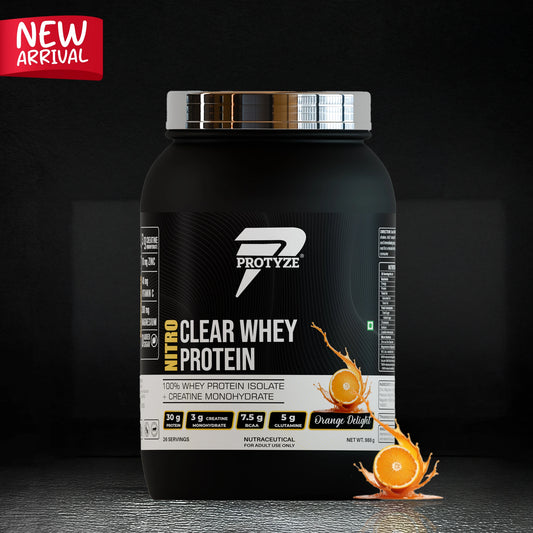
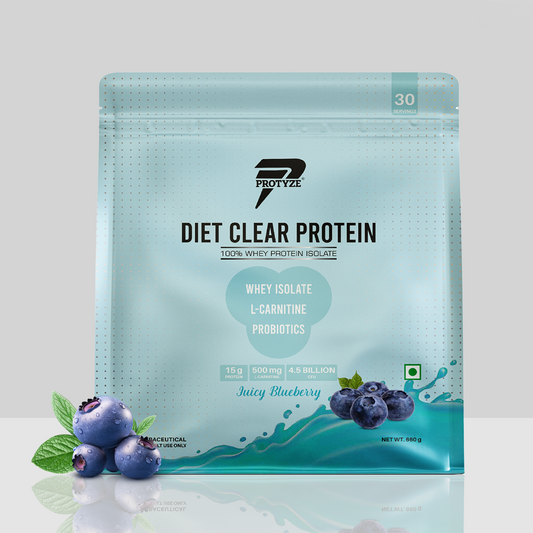
Brands like Protyze focus on zero-sugar clear proteins designed for:
- Daily consumption
- Faster absorption
- No heaviness or sugar spikes
This makes them especially suitable for Indian diets where hidden sugars already add up fast.
So, What Should You Choose?
Choose low-sugar protein if:
- You’re bulking
- You train very intensely
- You’re transitioning from sugary shakes
- Taste is your top priority
Choose zero-sugar protein if:
- Fat loss is your goal
- You want clean daily nutrition
- You’re diabetic or insulin-sensitive
- You follow keto or low-carb
- You want no crashes or bloating
Final Verdict
Zero-sugar protein is the smarter long-term choice for most people today—especially if health, digestion, and fat loss matter to you.
Low-sugar protein isn’t “bad,” but in a world where we already consume too much sugar unknowingly, cutting it out completely from your protein makes sense.
If you’re looking for a protein that feels like juice, digests easily, and supports lean results without sugar overload—zero-sugar clear whey protein is the future.
And that’s exactly where clean, functional proteins like Protyze Clear Protein stand out.
FAQ'S
1. Is zero-sugar protein better than low-sugar protein for fat loss?
Yes. Zero-sugar protein is better for fat loss because it doesn’t spike blood sugar or insulin, helping your body burn fat more efficiently. Zero-sugar options like Protyze Clear Protein support lean muscle without adding hidden calories.
2. Can zero-sugar protein cause bloating or digestion issues?
Usually no. High-quality zero-sugar proteins made with whey isolate are easier to digest and cause less bloating. Clear whey proteins from Protyze are lactose-free, light, and feel more like a juice than a heavy shake.
3. Is low-sugar protein still healthy for daily use?
It can be, but zero-sugar is cleaner. Low-sugar protein is acceptable for active individuals, but daily consumption can add unnecessary sugar. Switching to a zero-sugar protein like Protyze Clear Whey helps reduce sugar intake without compromising protein quality.
4. Which protein is best for diabetics or people watching blood sugar?
Zero-sugar protein is the best choice. It has no impact on blood glucose levels and is safer for diabetics. Protyze Zero-Sugar Clear Protein delivers fast-absorbing protein without insulin spikes or sugar crashes.
5. Does zero-sugar protein compromise taste or results?
No—if the quality is high. Premium zero-sugar proteins now taste refreshing and deliver better results. Protyze Clear Protein mixes like juice, tastes light, and supports muscle recovery and fat loss without sugar or heaviness.