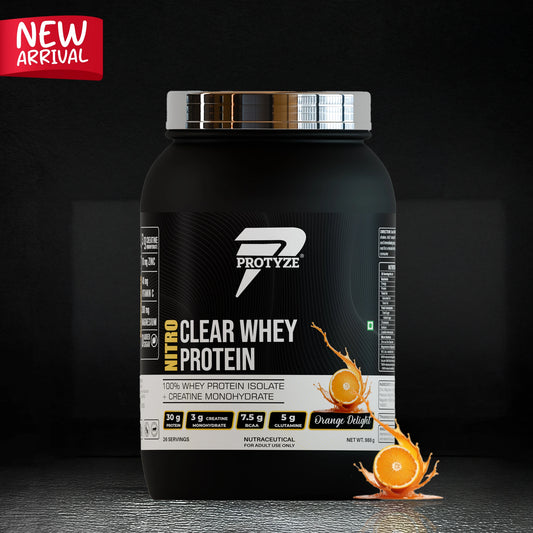

Whey protein is one of the most popular nutritional supplements in the world. Whether you're trying to build muscle, recover after workouts, lose weight, or simply increase your daily protein intake, understanding whey protein whey can help you make an informed choice.
With so many options available, many people are unsure about the differences between whey protein, whey protein isolate, and other protein supplements. This guide explains everything in simple language, helping you understand the benefits, side effects, dosage, and how to choose the right whey protein for your needs.
What Is Whey Protein Whey ?
Whey protein whey is a natural protein that comes from milk. When cheese is made, milk separates into two parts: curds (solid) and whey (liquid). The whey part contains high-quality protein that's then processed and turned into the powder you see in stores.

Think of it this way: remember Little Miss Muffet from the nursery rhyme who was eating "curds and whey"? That whey is exactly what we're talking about!
Whey protein is considered a complete protein, which means it contains all nine essential amino acids your body needs but can't produce on its own. This makes it one of the highest quality proteins available.
Quick Facts About Whey Protein:
- Derived from cow's milk during cheese production
- Contains all essential amino acids
- Quickly absorbed by the body
- Available in various forms and flavors
- One of the most researched supplements in the world
Why Whey Protein Is Important for the Body
Your body needs protein for almost everything it does. Here's why whey protein specifically is so valuable:

1. Builds and Repairs Muscles
Every time you move, exercise, or even just go about your daily activities, your muscles experience tiny tears. Protein helps repair these tears and build stronger muscles. Whey protein does this job faster than most other protein sources.
2. Supports Weight Management
Protein keeps you feeling full longer, which means you're less likely to reach for unhealthy snacks. Studies show that people who consume adequate protein find it easier to maintain a healthy weight.
3. Boosts Immune System
Whey protein whey contains immunoglobulins and lactoferrin, which help strengthen your body's natural defense system. A stronger immune system means fewer sick days!
4. Helps with Recovery
Whether you're recovering from a workout or healing from an injury, your body needs protein. Whey protein provides quick-absorbing amino acids that speed up the recovery process.
5. Maintains Overall Health
From healthy hair and nails to strong bones and proper hormone production, protein plays a role in keeping your entire body functioning properly.
Whey Protein Nutrition Profile (What's Inside Whey Protein)
Understanding what's actually in whey protein helps you make informed choices. Here's a typical breakdown per 30g scoop:

Standard Whey Protein Concentrate:
-
Protein: 20-24g
-
Carbohydrates: 3-5g
-
Fats: 1-3g
-
Calories: 110-130
-
Cholesterol: 30-50mg
- Sodium: 50-100mg
Key Amino Acids (BCAAs):
-
Leucine: The muscle-building powerhouse
-
Isoleucine: Helps with energy and recovery
- Valine: Supports muscle metabolism
Additional Nutrients:
- Calcium: Good for bones
- Phosphorus: Supports energy production
- Vitamins B12 and B6: Help with energy metabolism
- Magnesium: Important for muscle function
Important Note: Nutrition content varies significantly between whey concentrate, isolate, and hydrolysate. Always check the label of your specific product!
How Whey Protein is Made?
Ever wondered how that liquid whey becomes powder? Here's the simplified process:

Step 1: Cheese Production
It all starts at dairy farms. When cheese makers add enzymes to milk, it separates into solid curds (used for cheese) and liquid whey.
Step 2: Collection and Pasteurization
The liquid whey is collected and pasteurized (heated) to kill any bacteria and ensure safety.
Step 3: Filtration
This is where different types of whey protein are created:
-
Microfiltration: Uses ceramic filters to separate protein from fat and lactose
-
Ultrafiltration: Uses smaller membrane filters for higher purity
- Ion Exchange: Uses electrical charges to isolate protein (less common now)
Step 4: Concentration
The filtered whey goes through evaporation to remove excess water, increasing protein concentration.
Step 5: Drying
The concentrated liquid is spray-dried into fine powder. Hot air instantly evaporates the remaining water, leaving behind protein powder.
Step 6: Quality Testing & Flavoring
The powder is tested for quality, protein content, and safety. Then it's blended with flavors, sweeteners, and other ingredients before packaging.
The entire process is designed to preserve the protein's natural structure while removing unwanted fats, carbs, and lactose.
Types of Whey Protein Explained
Not all whey proteins are created equal. There are three main types of whey protein, each with different characteristics:

1. Whey Protein Concentrate (WPC)
What it is: The most basic form of whey protein, containing 70-80% protein.
Pros:
- Most affordable option
- Contains beneficial fats and carbs
- Rich, creamy taste
- Retains more natural nutrients
Cons:
- Higher lactose content (may cause digestive issues)
- More calories and carbs
- Lower protein percentage
Best for: Budget-conscious buyers, beginners, people without lactose sensitivity
2. Whey Protein Isolate (WPI)
What it is: Further processed to contain 90-95% protein with minimal lactose and fat.
Pros:
- Very high protein content
- Low in lactose (better for sensitive stomachs)
- Lower in calories and carbs
- Faster absorption
Cons:
- More expensive
- May have less creamy taste
- Some beneficial compounds removed during processing
Best for: People with lactose intolerance, those cutting calories, anyone wanting maximum protein per serving
3. Whey Protein Hydrolysate (WPH)
What it is: Pre-digested form where protein is broken down into smaller pieces.
Pros:
- Fastest absorption rate
- Easiest to digest
- Great for post-workout
- Minimal lactose
Cons:
- Most expensive
- Can have bitter taste
- Not necessary for most people
Best for: Elite athletes, people with severe digestive issues, post-surgery recovery
Whey Protein Isolate vs Other Types
Let's compare whey isolate directly with the other types to help you choose:
|
Feature |
Concentrate |
Isolate |
Hydrolysate |
|
Protein Content |
70-80% |
90-95% |
90-95% |
|
Lactose |
High |
Very Low |
Very Low |
|
Fat & Carbs |
Higher |
Minimal |
Minimal |
|
Digestion Speed |
Medium |
Fast |
Fastest |
|
Taste |
Best |
Good |
Bitter |

When to Choose Isolate:
- You're lactose intolerant
- You're on a strict diet/cutting phase
- You want maximum protein with minimal calories
- You can afford the higher price
When to Choose Concentrate:
- You're on a budget
- You have no lactose issues
- You prefer creamier taste
- You're bulking or need extra calories
Benefits of Whey Protein / Whey Protein Benefits
The benefits of whey protein are backed by hundreds of scientific studies. Here are the proven advantages:

1. Accelerates Muscle Growth
Whey protein is rich in leucine, the amino acid that triggers muscle protein synthesis. This makes it incredibly effective for building muscle mass when combined with resistance training.
2. Supports Fat Loss
High protein intake increases metabolism and reduces appetite. Research shows people who supplement with whey protein lose more fat while preserving lean muscle compared to those who don't.
3. Reduces Hunger and Cravings
Protein is the most filling macronutrient. A whey protein shake can keep you satisfied for hours, making it easier to stick to your nutrition goals.
4. Improves Workout Recovery
Taking whey protein after exercise reduces muscle damage and soreness while speeding up recovery time. This means you can train harder and more frequently.
5. Helps Lower Blood Pressure
Studies indicate that whey protein may help reduce blood pressure in people with elevated levels, supporting cardiovascular health.
6. Assists Blood Sugar Management
Whey protein can help moderate blood sugar levels when consumed with carbohydrate-rich meals, making it beneficial for people managing diabetes.
7. Convenient Protein Source
Let's be honest: it's not always easy to cook chicken breast or prepare a complete meal. A whey protein shake gives you 20-25g of quality protein in under a minute.
8. Supports Healthy Aging
As we age, we naturally lose muscle mass. Adequate protein intake, including whey supplementation, helps preserve muscle mass and strength in older adults.
Best Time to Take Whey Protein
Timing can matter, but it's not as critical as many people think. Here's what works best:

1. Post-Workout (Within 2 Hours)
This is the most popular time, and for good reason. After exercise, your muscles are primed to absorb nutrients. A post-workout shake helps kickstart recovery and muscle repair.
Why it works: Your body is in "recovery mode" and can utilize protein most efficiently.
2. Morning (Breakfast)
Starting your day with protein helps control hunger and provides sustained energy. Many people add whey to oatmeal, smoothies, or simply have a shake.
Why it works: After fasting overnight, your body needs protein to stop muscle breakdown.
3. Between Meals (Snack Time)
A protein shake makes an excellent mid-morning or afternoon snack, keeping you full and preventing unhealthy snacking.
Why it works: Maintains steady amino acid levels throughout the day.
4. Before Bed
Some people take casein protein before bed, but whey can work too, especially if you train in the evening.
Why it works: Provides amino acids during sleep when your body repairs itself.
5. The Truth About Timing:
While these times are optimal, the total amount of protein you consume daily matters more than precise timing. If you hit your daily protein target, you're on the right track regardless of when you take it.
You can Read in detail about about best time to take whey protein.
How Much Whey Protein Should You Take Per Day?
This is one of the most common questions i.e how much protein do i need?, and the answer depends on several factors:

General Guidelines:
1. For Average Adults:
- 0.8-1g of total protein per kg of body weight daily
- Whey protein can provide 20-40g of this total
2. For Active Individuals:
- 1.2-1.6g of protein per kg of body weight
- 1-2 scoops of whey protein (20-50g)
3. For Athletes & Bodybuilders:
- 1.6-2.2g of protein per kg of body weight
- 2-3 scoops of whey protein (40-75g)
4. For Weight Loss:
- 1.2-1.6g of protein per kg of body weight
- 1-2 scoops as meal replacements or snacks
Example Calculations:
If you weigh 70kg (154 lbs) and exercise regularly:
- Daily protein need: 70 × 1.4 = 98g
- From whey: 1-2 scoops (20-50g)
- From food: remaining 48-78g (chicken, eggs, dairy, etc.)
Important Reminders:
- Whey is a supplement, not a meal replacement
- Get most protein from whole foods
- More isn't always better excess protein won't build extra muscle
- Spread protein intake throughout the day for best results
How to Choose the Right Whey Protein (BUYER GUIDE)
With hundreds of brands available, choosing the right whey protein can feel overwhelming. Follow this guide to make a smart purchase:

1. Check the Protein Content Per Serving
Look for at least 20g of protein per 30g scoop. Higher is better, especially for isolates (should be 25g+).
Red flag: Products with less than 15g per serving are often filled with additives.
2. Read the Ingredient List
Good ingredients: Whey protein concentrate/isolate, natural flavors, stevia, cocoa powder
Avoid: Maltodextrin (cheap filler), artificial colors, excessive sweeteners, proprietary blends that hide actual protein content
Pro tip: Shorter ingredient lists usually mean better quality.
3. Look for Third-Party Testing
Reputable brands get their products tested by independent labs. Look for certifications like:
- Informed Choice
- NSF Certified for Sport
- FSSAI (in India)
- USDA Organic (if applicable)
4. Consider Your Dietary Needs
-
Lactose intolerant? Choose isolate or hydrolysate
-
Vegan? This guide is about whey, but plant proteins exist
-
Diabetic? Look for low-carb, unsweetened options
- Allergies? Check for allergen statements
5. Evaluate Taste and Mixability
Read reviews about flavor and texture. Some brands are chalky or don't mix well. Popular flavors like chocolate and vanilla are usually safer bets than exotic options.
6. Check Price Per Serving
Don't just look at the total price. Calculate cost per serving:
- Divide total price by number of servings
- Compare this number across brands
A 2kg tub at ₹4000 with 66 servings (₹60/serving) is better value than a 1kg tub at ₹2500 with 33 servings (₹75/serving).
7. Research the Brand Reputation
- How long has the brand been in business?
- What do independent reviews say?
- Has the brand had any quality scandals?
- Do they offer transparency about sourcing and manufacturing?
8. Consider Additional Ingredients
Some whey proteins include:
-
Digestive enzymes: Help with absorption
-
Probiotics: Support gut health
- Added vitamins: Can be beneficial but increase cost
Decide if these extras are worth the extra money for you.
Top Myths About Whey Protein
Let's bust some common myths about Whey protein that confuse people:

Myth 1: "Whey Protein is Only for Bodybuilders"
Truth: Anyone can benefit from whey protein. Office workers, students, elderly people, and busy parents can all use it to meet their protein needs conveniently.
Myth 2: "Whey Protein Damages Your Kidneys"
Truth: There's no evidence that whey protein harms healthy kidneys. However, people with existing kidney disease should consult their doctor before taking any protein supplement.
Myth 3: "Whey Protein is a Steroid"
Truth: This is completely false. Whey protein is simply concentrated protein from milk. It's no more a "steroid" than drinking milk or eating cheese. Steroids are synthetic hormones and completely different substances.
Myth 4: "Women Shouldn't Take Whey Protein Because They'll Get Bulky"
Truth: Women don't have enough testosterone to build massive muscles naturally. Whey protein helps women tone up, lose fat, and stay healthy without getting "bulky."
Myth 5: "You Must Take Whey Protein Immediately After Workout or You'll Lose Gains"
Truth: The "anabolic window" is much longer than people think. Taking protein within a few hours post-workout is beneficial, but it's not as critical as total daily protein intake.
Myth 6: "More Protein = More Muscle"
Truth: Your body can only use so much protein. Excessive amounts won't build extra muscle and may just be converted to energy or stored as fat.
Myth 7: "All Whey Proteins Are the Same"
Truth: Quality varies significantly between brands. Protein content, purity, sourcing, and manufacturing standards all differ.
Myth 8: "Whey Protein Causes Hair Loss"
Truth: There's no scientific evidence linking whey protein to hair loss. This myth likely stems from confusion with anabolic steroids, which can affect hair.
Side Effects & Safety of Whey Protein
Whey protein is generally safe for most people when used appropriately, but it's important to be aware of potential side effects:
Common Side Effects (Usually Mild):
Digestive Issues
- Bloating, gas, or stomach cramps
- Usually occurs with concentrate due to lactose
- Solution: Switch to isolate or take smaller servings
Increased Bowel Movements
- Some people experience more frequent bathroom trips
- Solution: Adjust serving size or timing
Acne or Skin Issues
- Dairy products can trigger acne in some people
- More common in those already prone to breakouts
- Solution: Try a plant-based protein if this persists
Thirst and Dry Mouth
- Protein metabolism requires water
- Solution: Drink plenty of water throughout the day
Rare but Serious Concerns:
1. Allergic Reactions
- People with milk allergies should avoid whey entirely
- Symptoms: rash, swelling, difficulty breathing
- Action: Stop immediately and seek medical help
2. Kidney Stress (Pre-existing Conditions Only)
- Not an issue for healthy individuals
- People with kidney disease should consult their doctor
- Action: Medical supervision required
3. Liver Issues (Extreme Overconsumption)
- Only occurs with excessive, long-term overuse
- Prevention: Stick to recommended dosages
Safety Tips:
-
Start with half servings to test tolerance
-
Stay hydrated drink 8-10 glasses of water daily
-
Don't exceed 2-3 scoops per day unless advised by a professional
-
Choose quality brands with proper certifications
-
Get regular health check-ups if using supplements long-term
- Consult a doctor if you have pre-existing conditions
Bottom line: For healthy adults following recommended dosages, whey protein is one of the safest and most studied supplements available.
Whey Protein vs Other Protein Sources
How does whey compare to other protein options? Let's break it down:
1. Whey Protein vs Casein Protein
-
Absorption: Whey is fast (2-3 hours), casein is slow (6-8 hours)
-
Best use: Whey for post-workout, casein for before bed
-
Cost: Similar prices
- Winner: Tie they serve different purposes
2. Whey Protein vs Plant Proteins (Pea, Rice, Soy)
-
Amino acid profile: Whey is complete, plant proteins often need to be combined
-
Digestion: Whey absorbs faster for most people
-
Allergies: Plant proteins are better for dairy allergies
-
Environmental impact: Plant proteins are more sustainable
- Winner: Whey for muscle building, plant proteins for environmental/ethical reasons
3. Whey Protein vs Chicken Breast
-
Protein per 100g: Whey: 70-80g, Chicken: 31g
-
Convenience: Whey wins (30 seconds vs 30 minutes cooking)
-
Cost: Comparable when calculated per gram of protein
-
Nutrition: Chicken provides more vitamins and minerals
- Winner: Whey for convenience, chicken for overall nutrition
4. Whey Protein vs Eggs
-
Biological value: Whey: 104, Whole eggs: 100 (both excellent)
-
Protein per serving: Whey shake: 25g, 4 eggs: 24g
-
Versatility: Eggs can be cooked many ways
-
Cost: Whey is usually more economical
- Winner: Both excellent use both in your diet
5. Whey Protein vs Milk
-
Concentration: Whey provides 10x more protein per volume
-
Lactose: Whey isolate has less lactose than milk
-
Convenience: Whey powder is portable
-
Nutrients: Milk provides calcium, vitamin D naturally
- Winner: Whey for protein concentration, milk for overall nutrition
The Real Answer: You shouldn't choose just one. The best approach is getting protein from a variety of sources whey supplements, whole foods, dairy, and plants for complete nutrition.
Whey Protein for Daily Lifestyle (Not Just Gym)
Here's the truth: you don't need to be a gym-goer to benefit from whey protein. Here's how everyday people use it:

1. For Busy Professionals
- Quick breakfast shake while rushing to work
- Afternoon snack to avoid vending machine temptations
- Maintains energy levels throughout long workdays
Real example: Mix a scoop with banana and oats for a 5-minute breakfast that keeps you full until lunch.
2. For Parents and Homemakers
- Easy nutrition while caring for kids
- Helps maintain strength for daily activities
- Supports healthy aging and bone density
Real example: Add to morning coffee for a protein-boosted latte, or blend into smoothies the kids will actually drink.
3. For Students
- Brain-boosting nutrition during exams
- Better than junk food for late-night studying
- Affordable protein source on a budget
Real example: Keep a shaker bottle and protein powder in your dorm for quick, healthy meals between classes.
4. For Weight Management
- Helps control appetite throughout the day
- Provides satisfying snacks without excessive calories
- Supports muscle maintenance during calorie deficit
Real example: Replace one snack daily with a protein shake to cut 200-300 calories while feeling fuller.
5. For Seniors
- Prevents age-related muscle loss (sarcopenia)
- Easier to consume than tough meats
- Supports bone health and mobility
Real example: Add unflavored powder to soups, porridge, or morning tea for effortless protein intake.
6. For Vegetarians
- Fills protein gaps in plant-based diets
- Provides complete amino acid profile
- More convenient than preparing multiple protein sources
Real example: Combine with fruits and plant milk for a complete, balanced meal.
7. Creative Daily Uses:
- Protein pancakes for weekend breakfast
- Mixed into yogurt for extra protein
- Added to baking (muffins, cookies)
- Stirred into oatmeal or cereal
- Blended into homemade protein bars
The key message: Whey protein isn't just for building muscles at the gym. It's a versatile, convenient way for anyone to meet their daily protein needs and support overall health.
Frequently Asked Questions About Whey Protein
Q1: Can I take whey protein without working out?
A: Absolutely! Whey protein is just food in convenient form. If your diet lacks adequate protein, supplementing makes sense regardless of exercise habits.
Q2: Will whey protein make me fat?
A: Not by itself. Weight gain happens when you consume more calories than you burn. Whey protein actually helps with weight management by keeping you full and supporting metabolism.
Q3: Can women take whey protein?
A: Yes! Women benefit just as much as men. It helps with toning, weight management, and overall health without causing "bulkiness."
Q4: Is whey protein safe for teenagers?
A: Generally yes, for teens engaged in sports or activities. However, they should focus on whole foods first and use whey as a supplement only if needed. Parents should consult a pediatrician.
Q5: Can I take whey protein if I'm lactose intolerant?
A: Many people with lactose intolerance can tolerate whey isolate, which contains minimal lactose. Start with small amounts. If issues persist, try hydrolysate or plant proteins.
Q6: How long does whey protein last after opening?
A: Typically 6-12 months if stored properly in a cool, dry place with the lid tightly closed. Check the expiration date on the package.
Q7: Can I mix whey protein with hot liquids?
A: Technically yes, but high heat can denature proteins, potentially reducing their effectiveness and causing clumping. Warm (not boiling) liquids are okay, like in coffee or oatmeal.
Q8: Should I take whey protein every day?
A: Only if you struggle to meet your daily protein needs through regular food. It's a supplement, not a requirement. Many people take it 3-5 times per week.
Q9: Can I take whey protein on an empty stomach?
A: Yes, it's safe. Some people prefer this for faster absorption. However, if it causes stomach discomfort, have it with food.
Q10: Why does my protein powder clump?
A: Usually due to moisture exposure. Use a dry scoop, keep the container sealed, and consider adding a silica gel packet to absorb moisture.
Q11: Can I travel with whey protein powder?
A: Yes, but keep it in original packaging with the label visible to avoid questions at security. For flights, check TSA or relevant authority guidelines.
Q12: Does whey protein expire?
A: Yes. Using expired protein isn't dangerous but it may lose effectiveness and taste off. Most powders last 1-2 years unopened.

Conclusion
Whey protein has earned its reputation as one of the most effective, versatile, and well-researched supplements available today. But remember: it's called a "supplement" for a reason it supplements your diet, not replaces real food.
Key Takeaways:
✓ Whey protein is a high-quality, complete protein derived from milk
✓ It comes in three main types: concentrate, isolate, and hydrolysate
✓ Benefits extend far beyond muscle building to weight management, recovery, and overall health
✓ Timing matters less than total daily protein intake
✓ Choose based on your specific needs, budget, and tolerance
✓ It's safe for most people when used responsibly
✓ You don't need to be an athlete to benefit from it
The Bottom Line:
Whether you're trying to build muscle, lose weight, maintain health, or simply meet your daily protein requirements more conveniently, whey protein can be a valuable tool in your nutrition arsenal.
Start by assessing your current protein intake from food. If there's a gap, whey protein can bridge it efficiently and affordably. Choose a quality product from a reputable brand, start with recommended servings, and listen to your body.
Remember, the "perfect" protein or supplement doesn't exist. What works best is what fits your lifestyle, budget, and goals while supporting your overall health journey.