When you think about protein, you might imagine eggs, meat, shakes, or supplements. But have you ever wondered what actually makes protein so powerful? The real magic lies in amino acids, the tiny building blocks that form the foundation of all proteins and play a vital role in keeping your body healthy, strong, and functional.
Whether you're an athlete, fitness enthusiast, or just someone trying to stay healthy, understanding amino acids helps you make better nutrition choices and maximize your results.
What Are Amino Acids?
Amino acids are organic compounds made of carbon, hydrogen, nitrogen, and oxygen, often called the "building blocks of protein." They link together in long chains to form proteins, which make up your muscles, enzymes, hormones, and even parts of your immune system.
When you eat protein-rich foods, your body breaks them down into amino acids. These amino acids are then used to:
- Build and repair muscles and tissues
- Support metabolism and energy production
- Create enzymes and hormones
- Strengthen immunity and brain function
In simple terms, without amino acids, your body wouldn't be able to grow, recover, or function properly.
Types of Amino Acids
There are 20 amino acids that your body needs to function, and they're divided into three main categories:
1. Essential Amino Acids (EAAs)
These are amino acids that your body cannot produce on its own; you must get them through food or supplements. There are 9 essential amino acids, including:
- Leucine
- Isoleucine
- Valine
- Lysine
- Methionine
- Phenylalanine
- Threonine
- Tryptophan
- Histidine
Why they matter: Essential amino acids play a direct role in muscle growth, repair, energy, and hormone production. Among them, leucine, isoleucine, and valine are especially crucial for building muscle they're known as branched-chain amino acids (BCAAs).
2. Non-Essential Amino Acids
These are amino acids that your body can produce on its own, even if you don't get them directly from food. Examples include:
- Glutamine
- Alanine
- Asparagine
- Aspartic acid
Why they matter: They support immune health, energy production, and tissue repair. For example, glutamine is particularly important for recovery and gut health.
3. Conditional Amino Acids
These are usually non-essential but become essential during stress, illness, or intense physical activity. Examples include:
- Arginine
- Tyrosine
- Cysteine
- Proline
Why they matter: When you're training hard or recovering from illness, your body's natural production of these amino acids may not be enough, that's when supplementation can help.
How Amino Acids Help the Body
Each amino acid plays a unique role, but together, they influence almost every process in your body. Let's look at how they contribute to your overall health and fitness.
1. Muscle Growth and Recovery
This is the most well-known role of amino acids, especially for athletes and active individuals. When you work out, your muscles experience small tears. Amino acids particularly BCAAs (leucine, isoleucine, valine) help repair those tears, leading to stronger, leaner muscles.
They also reduce muscle soreness and support faster recovery after workouts. That's why consuming a protein source rich in essential amino acids post-exercise is so important.
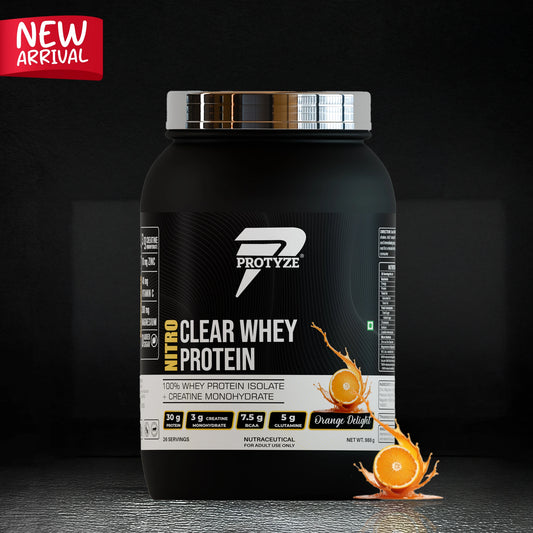
A great option for this is Protyze Nitro Clear Whey Protein, which provides 30g of fast-digesting whey isolate, along with creatine and glutamine for complete strength and recovery support. It helps your muscles rebuild efficiently while keeping your body light and hydrated.
2. Energy and Endurance
Amino acids don't just build muscles, they also fuel them. During intense workouts, your body uses amino acids as a secondary energy source when glycogen levels drop.
This means having enough amino acids in your system can delay fatigue, helping you push harder and train longer.
Functional formulas like Protyze Hydra-X Clear Whey Protein combine protein with electrolytes, glutamine, and creatine, making them excellent for athletes or endurance trainers. They keep your muscles hydrated and powered during demanding sessions.
3. Hormone and Enzyme Production
Your body relies on amino acids to create key hormones and enzymes that regulate metabolism, mood, and other essential functions. For example:
- Tryptophan helps produce serotonin, the "feel-good" hormone.
- Tyrosine supports dopamine production for focus and alertness.
- Methionine assists in detoxification and liver function.
Without a sufficient supply of amino acids, these processes slow down, impacting both your mental and physical performance.
4. Immune System Support
Amino acids strengthen the immune system by aiding the production of antibodies and immune cells that protect against infections.
- Glutamine is vital for immune cell activity and gut health.
- Arginine supports the healing process and helps maintain nitric oxide levels for better circulation.
During the winter or times of stress, maintaining proper amino acid levels helps prevent fatigue, illness, and slow recovery.
5. Gut Health and Digestion
Amino acids also support the health of your digestive system. Glutamine, for instance, helps maintain the integrity of the intestinal wall, preventing inflammation and improving nutrient absorption.
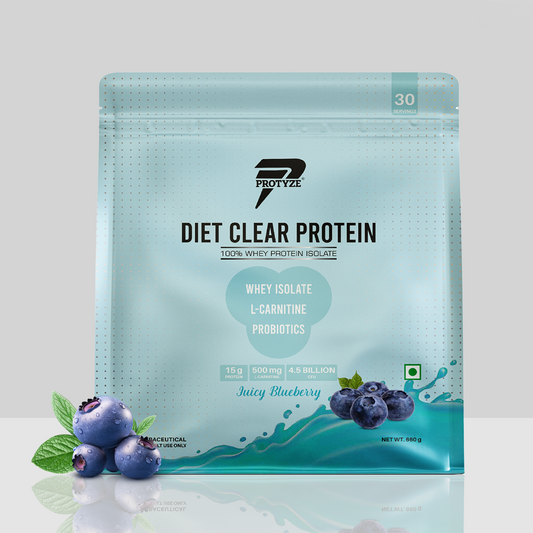
That's why some functional protein supplements, like Protyze Diet Clear Whey Protein, include probiotics along with clean whey protein. This combination supports both gut health and metabolism, making it ideal for active individuals who want to stay lean, energized, and healthy from within.
Amino Acids and Muscle Growth: The Connection
Muscle growth or hypertrophy happens when muscle protein synthesis (building) exceeds muscle protein breakdown. Amino acids, particularly leucine, play a key role in triggering this process.
Here's how it works:
- You exercise and cause small muscle fiber damage.
- Your body uses amino acids to repair these fibers.
- This repair process increases muscle size and strength over time.
Without enough amino acids, this recovery process slows down, and you risk losing muscle instead of gaining it.
That's why high-quality protein sources like whey protein isolates are highly recommended post-workout. They provide all essential amino acids in optimal ratios and are absorbed quickly by the body.
Amino Acids vs. Protein — What's the Difference?
Many people confuse amino acids and protein, but here's the simple distinction:
- Amino acids are the building blocks.
- Protein is the finished structure made from those blocks.
When you consume protein (like from eggs, paneer, or whey), your body breaks it down into individual amino acids before using them. So, you can think of amino acids as the usable form of protein that your body actually needs.
That's why the quality of your protein source matters. A complete protein contains all nine essential amino acids and that's what makes whey isolate one of the best forms of protein available.
Food Sources of Amino Acids
You can get amino acids from both animal and plant sources.
Animal Sources (Complete Proteins)
- Eggs
- Chicken
- Fish
- Milk and yogurt
- Whey protein isolate
Plant Sources (Incomplete Proteins)
- Lentils
- Chickpeas
- Quinoa
- Soy
- Nuts and seeds
Plant sources are excellent but often lack one or more essential amino acids. Combining them (for example, rice and beans together) can provide a complete amino acid profile.
Do You Need Amino Acid Supplements?
If your diet already includes enough high-quality protein from varied sources, you're likely getting enough amino acids naturally. However, active individuals, athletes, or those on restricted diets may benefit from additional support through protein or amino acid supplements.
Amino acid supplements or clear whey proteins can help:
- Speed up post-workout recovery
- Prevent muscle breakdown during fasting or calorie deficits
- Support hydration and performance during workouts
For instance, Protyze Hydra Clear Whey Protein provides EAAs, electrolytes, and protein — all essential components for hydration, recovery, and performance. It's a great choice for those who train regularly or engage in endurance sports.
How Much Protein (and Amino Acids) Do You Need Daily?
While exact needs vary, here's a simple guideline:
- Sedentary adults:0.8g of protein per kg body weight
- Active individuals:1.2–1.6g per kg
- Athletes / bodybuilders:1.6–2.2g per kg
This ensures your body gets enough amino acids to maintain and build muscle. Spread your intake throughout the day — from meals to post-workout shakes — for optimal absorption.
How to Include More Amino Acids in Your Diet
- Eat a variety of complete proteins like eggs, lean meat, dairy, or soy.
- Combine plant-based foods for a balanced amino acid profile.
- Add functional protein supplements like clear whey protein post-workout for faster recovery.
- Stay hydrated, since amino acid metabolism depends on proper fluid balance.
If you prefer something light and refreshing instead of heavy, milky shakes, a product like Protyze Anytime Clear Whey Protein can be your daily go-to. It delivers 24g of pure whey isolate, absorbed quickly to provide your body with all essential amino acids ideal for everyday recovery and wellness.
Conclusion
Amino acids might be small molecules, but their impact on your body is enormous. From building muscle and supporting immunity to improving digestion and energy, they're at the core of how your body functions and performs.
Whether you get them through food or clean supplements, ensuring you have enough amino acids every day is key to maintaining strength, recovery, and overall health.
By including high-quality, functional protein sources like Protyze Clear Whey Protein — in versions like Anytime for daily wellness, Diet for gut and weight support, Nitro for strength, or Hydra-X for performance and hydration you can make sure your body gets the amino acid fuel it needs to function at its best.
In the end, remember: every rep, every meal, and every recovery starts with amino acids — the true building blocks of your strength.