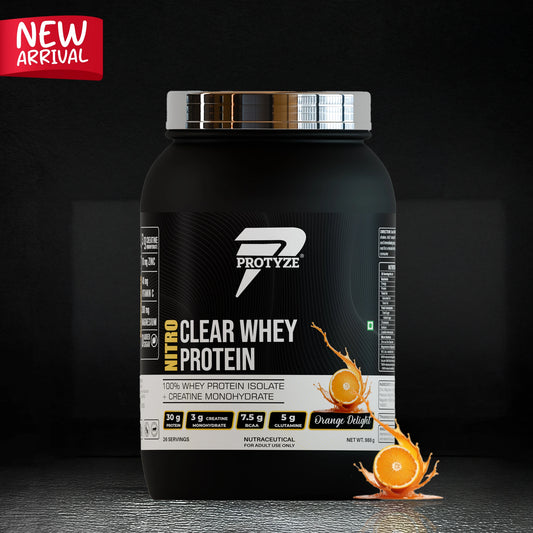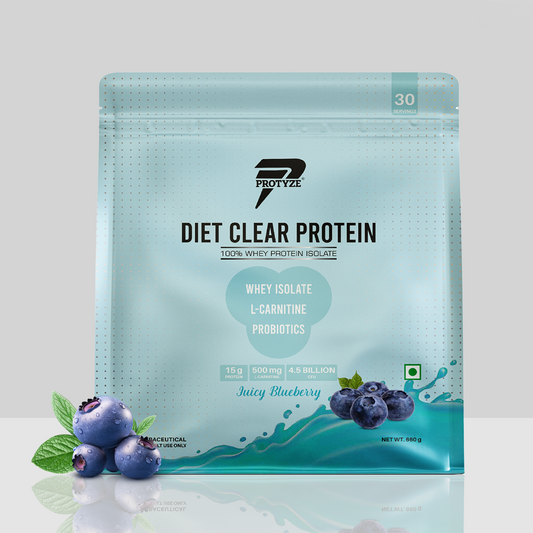

"Whey protein will damage your kidneys." "It's basically steroids." "You'll get bulky just by drinking it."
Sound familiar? If you've ever searched for information about whey protein, you've probably come across these scary statements and more. The internet is full of myths and misconceptions that make people unnecessarily afraid of one of the safest and most researched supplements available.
Here's the truth: Most whey protein myths are based on outdated information, misunderstandings, or flat-out misinformation. These myths prevent countless people from enjoying the genuine benefits of whey protein.
Whether you're considering trying whey protein for the first time or you've heard concerning things from friends or family, this guide will set the record straight. We'll tackle the most common myths head-on, explain why they're wrong, and give you the real facts backed by science.
No more confusion. No more unnecessary fear. Just clear, honest information that helps you make informed decisions about your health.
Let's bust some myths!
Why Are There So Many Myths About Whey Protein?
Before diving into specific myths, let's understand why whey protein gets so misunderstood in the first place.

1. Confusion with Steroids
Many people don't understand the difference between:
- Whey protein: Natural food supplement from milk
- Anabolic steroids: Synthetic hormones (illegal without prescription)
When people see dramatic muscle transformations, they often assume it's from "that powder" rather than years of hard work, proper diet, and consistent training.
2. Misinformation on Social Media
One viral post claiming "whey protein destroyed my kidneys" gets shared thousands of times, even if it's completely false or taken out of context. Fear spreads faster than facts online.
3. Supplement Industry Skepticism
The supplement industry has had its share of shady products and exaggerated claims. This legitimate skepticism sometimes unfairly extends to well-researched products like whey protein.
4. Misunderstanding "Processed" Foods
People hear "processed" and think "bad" or "artificial." But processing just means transforming raw materials. Cheese is processed. Yogurt is processed. That doesn't make them unhealthy or unnatural.
5. Individual Experiences Generalized
Someone who's lactose intolerant might have digestive issues with whey concentrate and conclude "whey protein is bad for everyone." Their specific experience becomes a blanket statement.
6. Outdated Information
Some myths stem from outdated research or early concerns that have since been thoroughly debunked. But these old myths continue circulating because they sound scary and memorable.
The Result: A safe, beneficial supplement gets surrounded by unnecessary fear and misinformation.
Let's clear this up once and for all!
Common Myths About Whey Protein
Following are myths about whey protein
1. Myth: Whey Protein Is Only for Bodybuilders
The Claim: "If you're not a bodybuilder or serious athlete, you don't need whey protein."

The Reality: This is one of the most limiting myths out there!
Whey protein benefits anyone who needs convenient, quality protein:
Who Actually Uses Whey Protein:
- Busy professionals who skip breakfast
- Older adults preserving muscle mass
- Vegetarians filling protein gaps
- People trying to lose weight
- Students needing quick nutrition
- Parents juggling multiple responsibilities
- Anyone struggling to meet daily protein needs
The Truth: Whey protein is simply concentrated protein from milk. It's no more "only for bodybuilders" than chicken breast or eggs. If you eat protein, whey can be part of a healthy diet.
Real-World Example: A 65-year-old grandmother maintaining her strength is just as valid a whey protein user as a 25-year-old bodybuilder.
2. Myth: Whey Protein Causes Weight Gain
The Claim: "Drinking whey protein will make you fat."

The Reality: This myth confuses protein with magic weight-gain powder!
Here's How Weight Gain Actually Works:
- You gain weight when you eat MORE calories than you burn
- You lose weight when you eat FEWER calories than you burn
- It's about total calories, not specific foods or supplements
The Facts About Whey Protein and Weight:
✓ Whey protein itself: ~120 calories per scoop
✓ Compared to a burger: ~600+ calories
✓ High protein helps: Increase feelings of fullness
✓ Research shows: Whey protein supports weight LOSS, not gain
Why the Myth Exists: People who use whey protein to bulk up also eat more food overall. The protein shake isn't making them gain weight – the extra 500-1000 calories from food is!
The Truth: Whey protein actually helps with weight management and fat loss when used as part of a calorie-controlled diet. Many people replace high-calorie snacks with protein shakes to lose weight successfully.
Bottom Line: A scoop of whey protein has fewer calories than most snacks. It's what you eat WITH it that matters.
3. Myth: Whey Protein Damages Kidneys or Liver
The Claim: "Whey protein will destroy your kidneys and liver over time."

The Reality: This is the most persistent and most thoroughly debunked myth.
What Science Actually Shows:
Dozens of studies confirm: Whey protein does NOT damage healthy kidneys or liver.
Research Facts:
- Studies on healthy adults show no kidney damage even with high protein intake (up to 2.8g per kg body weight)
- Long-term studies (several years) show no adverse effects on kidney function
- Liver function remains normal with regular whey protein consumption
Important Distinction:
- Healthy people: No kidney/liver concerns from whey protein
- Pre-existing kidney disease: Should consult doctor before high protein intake (this applies to ALL protein sources, not just whey)
Why This Myth Persists: Old, misinterpreted studies suggested protein might stress kidneys. This was debunked decades ago, but the myth lives on because it sounds scary.
Medical Consensus: The International Society of Sports Nutrition, American College of Sports Medicine, and Academy of Nutrition and Dietetics all confirm whey protein is safe for healthy individuals.
The Truth: For healthy adults, whey protein is as safe as eating chicken or fish. Your kidneys and liver are designed to process protein – it's literally their job.
Real Concern: If you have diagnosed kidney disease, consult your doctor about protein intake from ALL sources, not just supplements.
4. Myth: Whey Protein Is a Steroid
The Claim: "Whey protein is basically steroids" or "It's a chemical that works like steroids."

The Reality: This might be the most absurd myth, but it's surprisingly common!
Let's Make This Crystal Clear:
| Whey Protein | Anabolic Steroids |
|---|---|
| Natural protein from milk | Synthetic hormones |
| Legal everywhere | Illegal without prescription |
| Same protein as in cheese | Completely different substance |
| No hormonal effects | Alters hormone levels |
| Safe for everyone | Serious health risks |
| Found in dairy products | Created in laboratories |
What Whey Protein Actually Is:
- Protein extracted from milk (same milk you drink)
- Complete amino acids for muscle repair
- Natural food product
- Works by providing building blocks, not hormones
What Steroids Actually Are:
- Synthetic versions of testosterone
- Alter your body's hormone system
- Illegal for non-medical use
- Cause serious side effects
Why People Confuse Them: Both are associated with muscle building, but that's where similarities end. Thinking whey protein is a steroid is like thinking orange juice is an energy drink because both give you energy.
The Truth: Whey protein is NO MORE a steroid than the milk in your coffee or cheese on your pizza. They're not even in the same category of substances.
You Wouldn't Say: "I had steroids with my cereal this morning" (even though you had milk). So why call protein powder steroids?
5. Myth: Whey Protein Is Artificial or Chemical
The Claim: "Whey protein is made from chemicals in a lab."

The Reality: Whey protein is a natural food product, not a synthetic creation.
The Actual Manufacturing Process:
- Start with real cow's milk
- Make cheese (separating curds and whey)
- Filter the liquid whey to remove water and lactose
- Dry it into powder
- Add natural flavoring
That's it! No laboratory synthesis. No creating new substances. Just concentrating what already exists in milk.
Think of It Like:
- Orange juice concentrate: Remove water from oranges = concentrated orange juice
- Whey protein: Remove water from whey = concentrated whey protein
Yes, It's Processed, But So Is:
- Cheese (from milk)
- Yogurt (from milk)
- Olive oil (from olives)
- Flour (from wheat)
- Butter (from cream)
Processing ≠ Artificial
What IS Added:
- Natural flavors (vanilla, chocolate)
- Optional sweeteners (stevia, sucralose)
- Lecithin (helps mixing)
What Quality Brands DON'T Add:
- Synthetic proteins
- Harmful chemicals
- Artificial fillers (in good brands)
The Truth: Whey protein is as natural as any dairy product. It's extracted from milk using physical filtration, not created in a lab from chemicals.
6. Myth: All Whey Proteins Are the Same
The Claim: "Whey protein is whey protein – just buy the cheapest one."

The Reality: Quality varies SIGNIFICANTLY between brands and types.
Major Differences:
1. Type of Whey:
- Concentrate (70-80% protein)
- Isolate (90-95% protein)
- Hydrolysate (pre-digested)
2. Processing Quality:
- Cold-processed vs heat-treated
- Microfiltration vs cheap methods
- Preserves nutrients vs destroys them
3. Protein Source:
- Grass-fed dairy vs conventional
- Hormone-free vs hormone-treated cows
- Quality control standards
4. Additives:
- Minimal clean ingredients vs heavy fillers
- Natural flavors vs artificial everything
- Digestive enzymes vs nothing extra
5. Testing & Certification:
- Third-party tested vs no verification
- Accurate label claims vs protein spiking
- Safety certifications vs none
Why Cheap Can Be Problematic:
- May contain less actual protein than claimed
- Could have fillers to bulk up weight
- Might use harsh processing that destroys nutrients
- May lack proper testing and quality control
The Truth: Not all whey proteins deliver the same quality, purity, or results. You often get what you pay for, though expensive doesn't always mean better either.
Smart Approach: Look for reputable brands with third-party testing, not just the cheapest or most expensive option.
7. Myth: Whey Protein Is Unsafe for Daily Use
The Claim: "You shouldn't take whey protein every day – it's only for post-workout."

The Reality: Whey protein is food, not medicine. Daily use is perfectly safe.
Think About It:
- Do you worry about eating chicken daily? No.
- Do you worry about drinking milk daily? No.
- Do you worry about eating eggs daily? Probably not.
Whey protein is the same – it's just protein in convenient form.
Research on Daily Use:
- Studies show safe daily use for years without issues
- Athletes consume whey protein multiple times daily with no problems
- Many people use it daily for decades
When Daily Use Makes Sense:
- Meeting consistent protein needs
- Convenient breakfast or snack
- Supporting fitness goals
- Filling dietary gaps
When You Might Not Need It Daily:
- Already meeting protein needs through food
- Only need it on training days
- Prefer variety in protein sources
The Truth: Daily whey protein consumption is safe for healthy adults. It's a supplement, meaning you can use it as often as needed to supplement your diet.
One Caveat: Don't REPLACE whole foods entirely. Use whey to supplement a balanced diet, not replace real meals completely.
8. Myth: Whey Protein Causes Bloating for Everyone
The Claim: "Whey protein makes everyone bloated and gassy."

The Reality: Some people experience digestive issues, but not everyone – and it's usually fixable!
Why Some People Get Bloated:
1. Lactose Intolerance:
- Whey concentrate contains 4-8% lactose
- Lactose-intolerant people may react
- Solution: Switch to whey isolate (under 1% lactose)
2. Drinking Too Fast:
- Chugging shakes causes air swallowing
- Solution: Sip slowly, don't gulp
3. Taking Too Much:
- Body can only process ~30-40g protein at once
- Solution: Stick to 1 scoop (20-30g)
4. Low-Quality Product:
- Fillers and additives cause issues
- Solution: Choose cleaner products
5. Digestive Sensitivity:
- Some people have sensitive stomachs
- Solution: Try hydrolysate or add digestive enzymes
The Facts:
- Many people use whey protein daily with zero digestive issues
- Problems are usually specific to certain types or amounts
- Most issues are easily solvable
The Truth: Whey protein doesn't cause bloating for everyone. If you experience it, try isolate, reduce serving size, or drink more slowly. Many people never have any digestive issues.
Pro Tip: Start with half a scoop to test tolerance, then gradually increase.
Myths vs Facts: Quick Summary Table
| MYTH | FACT |
|---|---|
| Only for bodybuilders | Beneficial for anyone needing protein |
| Causes weight gain | Actually supports weight management and fat loss |
| Damages kidneys/liver | Safe for healthy individuals; thoroughly researched |
| Is a steroid | Natural protein from milk; completely different from steroids |
| Made from chemicals | Natural dairy product; just filtered and dried milk whey |
| All whey is the same | Quality varies significantly between types and brands |
| Unsafe for daily use | Perfectly safe to consume daily as part of balanced diet |
| Causes bloating for everyone | Only affects some people; usually fixable with isolate or adjustments |
| Makes women bulky | Doesn't affect hormones; women benefit without getting bulky |
| Causes acne | No direct link; individual reactions vary |
| Expires and becomes toxic | Just loses potency and taste; not dangerous when expired |
| Must take immediately post-workout | Timing is less critical than daily total protein intake |
How to Avoid Falling for Whey Protein Myths
Protect yourself from misinformation with these strategies:
1. Check the Source
Trustworthy Sources:
✓ Peer-reviewed scientific studies
✓ Registered dietitians and nutritionists
✓ Medical professionals
✓ Reputable fitness organizations
✓ Evidence-based health websites
Be Skeptical Of:
✗ Random social media posts
✗ Extreme claims ("miraculous" or "deadly")
✗ Sources selling competing products
✗ Anonymous forum posts
✗ Anything without references
2. Look for Scientific Evidence
Ask yourself:
- Are there studies backing this claim?
- Is this from actual research or someone's opinion?
- Do multiple credible sources confirm this?
Red Flags:
- "Studies show" (without naming the study)
- Citing extremely old research (pre-2000)
- Cherry-picking one study while ignoring dozens of others
3. Consider the Logic
Use common sense:
- If whey protein was dangerous, why would millions use it daily without issues?
- If it were steroids, why would it be legal and unregulated?
- If it caused kidney damage, why do doctors recommend it?
4. Understand Context
Many myths come from misapplied truths:
- "Protein can stress kidneys" → TRUE if you have kidney disease → FALSE for healthy people
- "Some protein powders are low quality" → TRUE → But doesn't mean all whey protein is bad
5. Try Trusted Brands
Quality matters:
- Choose brands with third-party testing
- Look for certifications (Informed Choice, NSF)
- Read verified customer reviews
- Check for transparency about sourcing
6. Consult Professionals
When in doubt:
- Talk to your doctor or dietitian
- Get personalized advice for your situation
- Discuss any pre-existing health conditions
Bottom Line: Question dramatic claims, seek evidence, use logic, and trust credible sources.
Who Should Be Careful With Whey Protein?
While whey protein is safe for most people, certain groups should exercise caution:
People Who Should Consult a Doctor First:
1. Pre-existing Kidney Disease
- Need to monitor total protein intake from ALL sources
- May need specific protein limits
- Should work with nephrologist and dietitian
2. Liver Disease
- May need adjusted protein intake
- Require medical monitoring
- Should discuss with hepatologist
3. Milk Allergies
- Different from lactose intolerance
- Whey can trigger allergic reactions
- Should avoid entirely or use plant-based alternatives
4. Pregnant or Breastfeeding Women
- Generally safe, but consult OB-GYN first
- May need specific protein recommendations
- Ensure choosing clean, tested products
People Who May Need Adjustments:
Lactose Intolerant Individuals:
- Can usually tolerate whey isolate
- Start with small amounts to test
- May need digestive enzymes
Diabetics:
- Whey protein can help blood sugar, but monitor levels
- Discuss with endocrinologist
- Watch for added sugars in flavored versions
People on Medications:
- Some medications interact with dairy
- Discuss timing with pharmacist
- Generally not a problem, but verify
Who Can Use Whey Protein Safely:
✓ Healthy adults
✓ Teenagers active in sports (with parental guidance)
✓ Older adults maintaining muscle mass
✓ People with no milk allergies or kidney issues
✓ Athletes and fitness enthusiasts
✓ Anyone looking to supplement protein intake
The Key Message: For the vast majority of healthy people, whey protein is completely safe. Special circumstances require medical consultation, not because whey is dangerous, but because ALL protein intake may need monitoring.
Conclusion
Let's recap what we've learned about whey protein myths:
The Big Takeaways:
✓ Most whey protein myths are completely false or based on misunderstandings
✓ Whey protein is safe for healthy adults – backed by decades of research
✓ It's natural protein from milk, not synthetic or chemical
✓ It's not a steroid and doesn't work like hormones
✓ Quality varies between brands, so choose wisely
✓ Most people can use it daily without any issues
✓ Digestive problems are usually fixable by switching types
The Real Truth About Whey Protein:
Whey protein is one of the most researched, safest, and most effective supplements available. It's literally just concentrated protein from milk – the same protein you get from cheese, yogurt, or drinking milk directly.
The myths surrounding it are largely based on fear, misinformation, and misunderstandings. Don't let unfounded myths prevent you from enjoying the legitimate benefits of this convenient, high-quality protein source.
Your Action Plan:
- Educate yourself with reliable sources
- Start with quality products from reputable brands
- Listen to your body and adjust as needed
- Consult professionals if you have health concerns
- Ignore the noise from unreliable sources
Remember: Millions of people worldwide use whey protein daily with excellent results and zero problems. The science is clear, the benefits are real, and the myths are just myths.
Don't let misinformation hold you back from achieving your health and fitness goals!
Want to learn more? Check out our complete whey protein guide, discover the benefits of whey protein, and explore different types of whey protein to make informed decisions about your supplementation.
FAQs
Q: Is it true that whey protein causes hair loss?
A: No, there's no scientific evidence linking whey protein to hair loss. This myth likely stems from confusion with anabolic steroids, which can affect hair. Whey protein is just food.
Q: Can whey protein cause acne?
A: Some people report acne from dairy products in general, not whey protein specifically. If you're acne-prone, monitor your reaction and consider isolate or plant-based options if needed.
Q: Will whey protein make women bulky and muscular?
A: Absolutely not. Women don't have enough testosterone to build large muscles from protein alone. Whey helps women tone, lose fat, and stay healthy without getting bulky.
Q: Is whey protein addictive?
A: No. Protein isn't addictive like drugs or even caffeine. You might enjoy the taste or routine, but that's habit, not addiction.
Q: Does whey protein lose effectiveness over time if I use it too long?
A: No. Your body doesn't develop "tolerance" to protein. It's food, not medication. You can use it indefinitely.
Q: Can I trust online reviews about whey protein?
A: Be cautious. Look for verified purchases and patterns in reviews rather than single extreme claims. Some reviews are fake or biased.
Q: Is whey protein tested for banned substances?
A: Quality brands get third-party testing (Informed Choice, NSF Certified for Sport). Always check for these certifications if you're an athlete subject to drug testing.
Q: Will whey protein work without exercise?
A: Whey protein provides nutrition benefits (convenient protein, appetite control) even without exercise. However, muscle-building benefits require training stimulus.
Learn the complete truth about whey protein: Complete Whey Protein Guide | Benefits of Whey Protein | How Whey Protein Is Made | Types of Whey Protein