
Whey protein is one of the most popular protein supplements for people who want to increase their daily protein intake, support muscle recovery, or build lean muscle. But choosing a whey protein can be confusing because there are several types available, including whey protein concentrate, whey protein isolate, hydrolyzed whey protein and clear whey protein.
While all of these come from milk, they differ in their processing, protein content, lactose levels, texture and how they are consumed.
Understanding the types of whey protein can help you choose a product that fits your nutrition goals, dietary preferences and lifestyle.
Quick Answer
The main types of whey protein are whey protein concentrate, whey protein isolate, hydrolyzed whey protein and clear whey protein. Concentrate is generally more affordable and contains more lactose, while isolate has a higher protein concentration with less lactose, fat and carbohydrates. Hydrolyzed whey is partially broken down into smaller peptides, while clear whey protein isolate offers a lighter, juice-like alternative to traditional protein shakes. The right type depends on your protein needs, digestion, budget and preferred way of consuming protein.
What Are the Different Types of Whey Protein?
The main types of whey protein powder available are:
- Whey Protein Concentrate
- Whey Protein Isolate
- Hydrolyzed Whey Protein
- Clear Whey Protein
Each type has its own characteristics, so there is no single option that is automatically right for everyone.
1. Whey Protein Concentrate
Whey protein concentrate is one of the most common forms of whey protein. It is produced by processing whey to remove some of the non-protein components while retaining a portion of the naturally occurring carbohydrates, fats and lactose.
Depending on the product, whey protein concentrate can contain around 70–80% protein by weight, although the exact amount varies.
Benefits of Whey Protein Concentrate
- Provides high-quality protein
- Contains all nine essential amino acids
- Generally less processed than whey isolate
- Often more affordable
- Suitable for people who tolerate lactose well
Because it retains some lactose and milk components, whey concentrate may not be the preferred option for people who are sensitive to lactose.
For someone looking for an affordable protein supplement and who does not have issues digesting dairy, concentrate can be a practical choice.
2. Whey Protein Isolate
Whey protein isolate undergoes additional filtration to remove more lactose, fat and carbohydrates from whey.
As a result, whey protein isolate generally contains a higher proportion of protein than concentrate.
This makes whey protein isolate popular among people who want a high-protein supplement with relatively low amounts of carbohydrates and fat.
Whey Protein Isolate Benefits
Some key whey protein isolate benefits include:
- High protein concentration
- Lower lactose content than concentrate
- Low fat
- Low carbohydrate content
- Complete amino acid profile
- Convenient for increasing daily protein intake
Whey isolate can be particularly useful for people who want protein without a heavy shake.
However, whey isolate is still derived from milk, so it should not be confused with vegan protein.
3. Hydrolyzed Whey Protein
Hydrolyzed whey protein is whey protein that has undergone enzymatic processing to break some of the larger protein chains into smaller peptides.
This process is known as hydrolysis.
The goal is to make the protein easier to break down during digestion. Hydrolyzed whey can be found in sports nutrition products, although it is generally more expensive than conventional whey concentrate or isolate.
What Is Hydrolyzed Whey Protein Used For?
Hydrolyzed whey protein can be used like other whey proteins to increase daily protein intake.
It is often included in specialized sports nutrition products because the protein has already undergone partial hydrolysis.
However, hydrolyzed whey is not automatically superior for everyone. The choice between hydrolyzed whey, isolate and concentrate should depend on your nutritional requirements, budget and digestion.
4. Clear Whey Protein
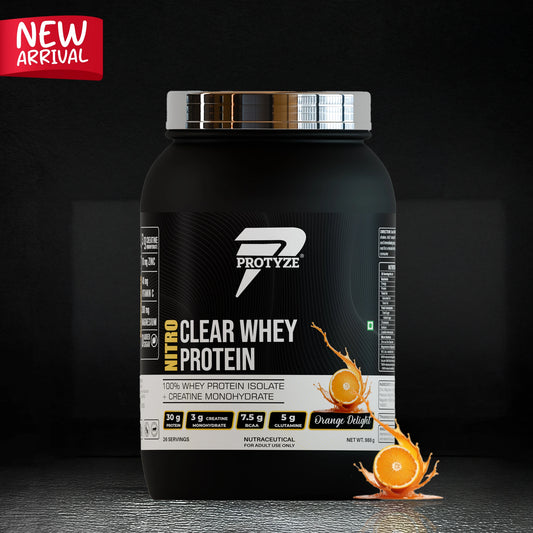
Clear whey protein is a newer style of whey protein designed to provide a lighter, juice-like drinking experience rather than the thick, creamy texture associated with traditional protein shakes.
Most clear whey products use whey protein isolate as their protein source.
Instead of creating a milkshake-like drink, clear whey is mixed with water to create a drink that is more similar to a fruit beverage.
What Is Clear Whey Protein Isolate?
Clear whey protein isolate is typically made using highly filtered whey protein isolate that is formulated to dissolve in water and produce a transparent or translucent drink.
This makes it different from traditional whey protein mainly in its formulation, texture and drinking experience.
Clear whey can be useful for people who do not enjoy thick protein shakes or want a lighter protein drink after exercise.
Whey Protein Concentrate vs Isolate
One of the most common questions is whey protein concentrate vs isolate: which is better?
Neither is universally better.
Whey concentrate generally contains more lactose, carbohydrates and fat than isolate and is often more affordable.
Whey isolate undergoes additional filtration and typically provides a higher protein percentage with less lactose, fat and carbohydrates.
If you tolerate dairy well and want a cost-effective protein source, concentrate may work well.
If you want a higher protein concentration and lower lactose content, isolate may be more suitable.
Which Whey Protein Is Best for Muscle Gain?
When asking which whey protein is best for muscle gain, the most important factor is not simply the type of whey.
Muscle growth depends primarily on progressive resistance training, adequate total protein intake, sufficient calories, recovery and consistency.
Whey protein can help you reach your daily protein target because it provides all essential amino acids, including leucine, which plays an important role in stimulating muscle protein synthesis.
Both whey concentrate and whey isolate can therefore be useful for people trying to build muscle.
The best choice is often the one that you can digest comfortably, afford consistently and fit into your daily diet.
Which Whey Protein Is Best for Beginners?
For people searching for the best whey protein for beginners, there is no requirement to start with the most expensive or highly processed option.
Beginners should first focus on:
- Eating enough protein
- Following a structured resistance-training program
- Getting adequate calories
- Sleeping well
- Staying consistent
Whey concentrate can be a simple starting point for people who tolerate dairy.
Whey isolate can be useful if you prefer lower lactose and a higher protein concentration.
Clear whey can be considered if you prefer a refreshing, water-based protein drink instead of a traditional shake.
Is Whey Protein Suitable for Lactose-Sensitive People?
The amount of lactose varies between whey products.
Whey protein concentrate generally contains more lactose than whey protein isolate.
Whey isolate undergoes additional filtration, which removes much of the lactose, although the exact amount varies by product.
People with significant lactose intolerance should check the product's nutrition information and ingredient list and consider speaking with a healthcare professional if they experience symptoms.
How Much Whey Protein Should You Take?
Whey protein should be viewed as a convenient way to supplement your diet rather than as a replacement for whole foods.
The amount you need depends on your total daily protein requirement.
For people who exercise regularly, a daily protein intake around 1.4–2.0 g of protein per kg of body weight is commonly recommended for supporting muscle development and recovery.
Your total protein intake can come from foods such as eggs, dairy, fish, meat, legumes and other protein-rich foods, with whey used when convenient.
When Is the Best Time to Take Whey Protein?
There is no single mandatory time to consume whey protein.
You can take it:
- After a workout
- With breakfast
- Between meals
- As part of a snack
- When your meals do not provide enough protein
What matters most is your total daily protein intake rather than focusing excessively on a narrow post-workout window.
Final Takeaway
The main types of whey protein include whey concentrate, whey isolate, hydrolyzed whey and clear whey protein.
Whey concentrate is generally more affordable and retains more of the original milk components. Whey isolate provides a higher protein concentration with less lactose, fat and carbohydrates. Hydrolyzed whey has undergone additional enzymatic processing, while clear whey provides a lighter, juice-like way to consume whey protein.
When choosing between the different types of whey protein, consider your protein requirements, digestion, budget, dietary preferences and how you prefer to consume protein.
There is no universally best whey protein. The right choice is the one that fits your nutritional needs and that you can use consistently as part of a balanced diet and structured training routine.