
Winter is the season of warmth, comfort food, and indulgence — but it’s also the perfect time to focus on nutrition that strengthens your body from within. Among all nutrients, protein stands out as the one you simply can’t ignore.
Whether you want to stay fit, maintain muscle, or simply feel more energized through chilly days, adding enough protein to your winter diet can make a big difference. It helps you stay full longer, supports your immune system, maintains muscle, and even promotes healthy skin and hair during the cold, dry months.
Top 10 High-Protein Foods to Add to Your Winter Diet
Let’s look at the top 10 high-protein foods you can easily include in your winter diet — along with a smart supplement option to fill the gaps when life gets busy.
1. Eggs – The Classic Winter Superfood
Eggs are one of the most complete protein sources available. A single egg provides around 6–7g of high-quality protein, packed with all essential amino acids.
-
Protein in 1 egg: ~6g
-
Why it’s great:
- Supports muscle recovery and immunity
- Contains vitamins D and B12, important for winter wellness
- Easy to include in omelets, salads, or boiled for snacks
The yolk also contains healthy fats and antioxidants that help keep your skin and hair healthy — something everyone needs in dry winter weather.
2. Paneer (Cottage Cheese) – A Staple Indian Protein Source
Paneer is a delicious and versatile protein option for vegetarians. It’s rich in casein, a slow-digesting protein that provides a steady supply of amino acids over time.
-
Protein in 100g paneer: ~18g
-
Why it’s great:
- Keeps you full for long hours
- Helps maintain lean muscle mass
- Great for weight management during winter cravings
You can grill it, toss it in curries, or mix it into salads for a filling meal.
3. Lentils and Pulses – The Plant Protein Heroes
From masoor dal to moong dal and chickpeas, lentils and pulses are packed with plant-based protein, fiber, and iron. They’re not only great for vegetarians but also incredibly comforting in winter when served warm.
-
Protein in 1 cup cooked lentils: ~18g
-
Why it’s great:
- Boosts energy and digestion
- Keeps you warm and nourished
- Budget-friendly and easy to prepare
A bowl of dal or lentil soup makes a perfect winter lunch packed with protein and comfort.
4. Greek Yogurt – Creamy and Protein-Rich
Greek yogurt is thicker and higher in protein compared to regular curd. It supports gut health and provides a good mix of protein and probiotics, which aid digestion and immunity.
-
Protein in 200g Greek yogurt: ~10–12g
-
Why it’s great:
- Builds immunity
- Supports gut health
- Ideal for breakfast or mid-meal snack
Mix it with fruits, nuts, or seeds for a wholesome snack, or add it to smoothies for extra creaminess.
5. Chicken Breast – Lean, Filling, and Perfect for Muscle Maintenance
For non-vegetarians, chicken breast is one of the leanest and most efficient protein sources. It’s easy to cook, low in fat, and ideal for building or maintaining muscle mass in winter.
-
Protein in 100g cooked chicken breast: ~31g
-
Why it’s great:
- High in protein, low in fat
- Supports strength and recovery
- Perfect for lunch or dinner meals
You can grill it, bake it, or include it in warm soups and stews for a nourishing winter meal.
6. Fish – The Winter Brain Food
Fish like salmon, mackerel, and tuna are packed not only with protein but also omega-3 fatty acids, which support heart, joint, and brain health.
-
Protein in 100g fish: ~22g
-
Why it’s great:
- Promotes recovery and muscle health
- Improves focus and energy
- Supports skin and hair health in dry weather
For vegetarians or those who don’t consume fish, you can mimic these benefits by pairing protein foods with healthy fats like flaxseeds or walnuts.
7. Quinoa – A Complete Plant-Based Protein
Quinoa is a seed that cooks like a grain and is one of the few plant foods that provides all nine essential amino acids. It’s also rich in magnesium, iron, and fiber.
-
Protein in 1 cup cooked quinoa: ~8g
-
Why it’s great:
- Gluten-free and easy to digest
- Keeps energy levels stable
- Great for salads, soups, or as a rice substitute
Warm quinoa bowls with vegetables or tofu make a perfect high-protein winter meal.
8. Almonds and Nuts – Protein Meets Healthy Fats
A handful of almonds, walnuts, or pistachios can add a quick dose of protein, fiber, and healthy fats to your diet. They’re perfect for snacking during chilly evenings or adding crunch to your meals.
-
Protein in 10 almonds: ~3g
-
Why it’s great:
- Easy on-the-go protein
- Helps control winter cravings
- Boosts brain and skin health
Pairing them with yogurt or oats can make a balanced, protein-rich snack.
9. Milk and Soy Products – Easy, Everyday Protein Sources
Milk and soy-based foods like tofu and soy milk are versatile sources of protein and calcium. They’re especially helpful for those who don’t eat meat or fish.
-
Protein in 1 cup milk: ~8g
-
Protein in 100g tofu: ~10g
-
Why it’s great:
- Strengthens bones and muscles
- Keeps you fuller for longer
- Great base for soups, curries, or smoothies
Hot soy milk or turmeric milk before bed is not only soothing but also a great way to get nighttime protein.
10. Functional Protein Supplements – For Smart Nutrition Support
Even with the best meal planning, it can be hard to meet your daily protein goals — especially in winter when heavier meals and comfort food often take priority. That’s where functional protein supplements come in.
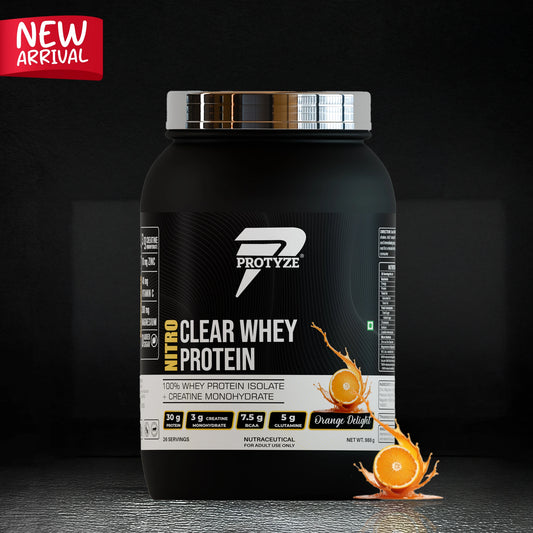
Unlike traditional thick shakes, clear whey protein drinks are light, refreshing, and easy to digest, making them perfect for daily use without feeling heavy.
For those managing their weight or focusing on digestion, Protyze Diet Clear Whey Protein is another great pick. It combines 15g protein, probiotics for gut health, and L-Carnitine for fat metabolism, helping you stay lean and active during the winter months.
Why Protein Matters More in Winter
Protein plays a much bigger role in winter than most people realize. Here’s why it’s worth paying extra attention to:
-
Supports immunity: Protein helps create antibodies that fight infections and seasonal flu.
-
Preserves muscle mass: Reduced activity can lead to muscle loss, which protein helps prevent.
-
Improves metabolism: Protein keeps your metabolism active even when you’re less mobile.
-
Keeps you full: Reduces unnecessary snacking and supports weight control.
- Boosts skin and hair health: Provides essential amino acids for collagen and keratin production.
So, while carbs give you warmth and energy, protein helps you stay strong, healthy, and balanced through the cold.
How Much Protein Should You Eat Daily?
The general guideline is:
-
Sedentary adults: 0.8–1g of protein per kg of body weight
-
Active individuals: 1.2–1.6g per kg
- Athletes or heavy lifters: 1.6–2.2g per kg
For example, if you weigh 70kg, you should aim for about 90–120g of protein daily, depending on your activity level.
You can easily meet this through a mix of high-protein foods and supplements, spread evenly throughout the day.
Sample Winter Day with High-Protein Meals
Here’s a simple day plan that shows how easy it is to include these foods:
-
Breakfast: Scrambled eggs with vegetables + a few almonds
-
Mid-morning: Greek yogurt with fruits
-
Lunch: Grilled chicken or paneer with quinoa and vegetables
-
Evening: Lentil soup or chickpea salad
-
Post-workout: A scoop of Protyze Anytime Clear Whey Protein
-
Dinner: Tofu curry or fish with brown rice
- Before bed: A cup of warm milk or soy milk
This kind of plan keeps your meals balanced and ensures your body gets consistent protein throughout the day.
Conslusion
Winter is the perfect time to focus on nourishment and protein should be at the center of it. Whether you’re a vegetarian or non-vegetarian, there are plenty of delicious high-protein foods to choose from that can boost your strength, immunity, and energy levels.
And when you need quick, convenient options, Protyze Clear Whey Proteins make meeting your daily protein goals simple and enjoyable. They’re light, refreshing, and designed to support your lifestyle whether it’s daily wellness, weight management, or muscle recovery.
So this winter, pair your cozy meals with smart protein choices and give your body the fuel it truly needs to stay active, strong, and healthy all season long.