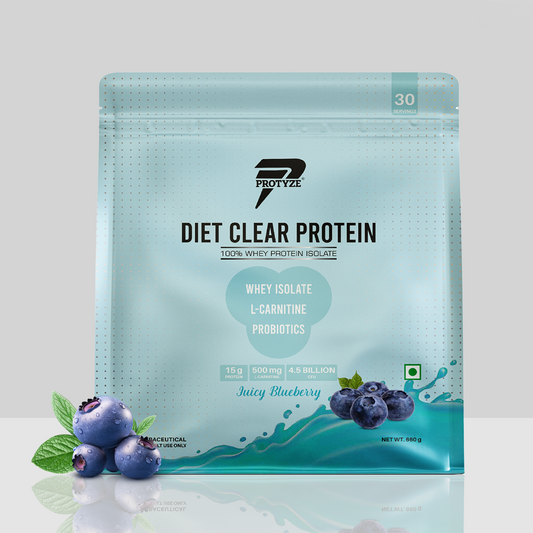

Protein is an important part of a balanced diet, especially for people who exercise regularly and want to support muscle growth and recovery. However, getting enough protein is only one part of the equation. How well your digestive system tolerates and processes the foods and supplements you consume also matters.
This is where probiotics can become relevant. Probiotics are live microorganisms that can support a healthy balance of gut bacteria. When combined with a balanced diet, certain probiotics supplements may support digestive health. But can probiotics actually make whey protein easier to digest or improve protein absorption? Let’s look at what the evidence suggests.
Quick Answer :
Probiotics can support gut health and digestive comfort, while whey protein provides high-quality protein for muscle recovery. Combining them may support digestion, but probiotics are not proven to significantly increase whey protein absorption
What Are Probiotics?
Probiotics are live microorganisms that, when consumed in adequate amounts, can provide health benefits. They are commonly found in fermented foods and certain supplements.
Your gut contains trillions of microorganisms that interact with your digestive system, immune system, and other aspects of health. Maintaining a healthy gut environment can support normal digestion and nutrient utilisation.
However, probiotics are not a replacement for a balanced diet, and different probiotic strains can have different effects.
Why Combine Probiotics With Whey Protein?
Whey protein is a high-quality protein containing all essential amino acids. It is commonly used to support muscle protein synthesis, recovery, and daily protein intake.
Some people experience digestive discomfort after consuming protein powders. This may be related to lactose, sweeteners, serving size, individual tolerance, or other ingredients rather than the protein itself.
Adding specific probiotic strains to a protein product may support digestive health, but it does not automatically mean that the protein will be absorbed better. The benefits depend on the specific probiotic strain, dose, and individual response.
Benefits of Probiotics for Digestion
1. Supports a Healthy Gut Environment
A balanced gut microbiome plays an important role in normal digestion. Certain probiotic strains can help maintain a healthy balance of microorganisms in the digestive tract.
This is one reason probiotics gut health products have become popular among people looking to support their overall digestive wellness.
2. May Support Digestive Comfort
Some probiotic strains have been studied for their potential to reduce certain digestive symptoms, including occasional bloating and changes in bowel habits.
However, probiotics do not work in exactly the same way for everyone. Choosing a product with clinically studied strains is more useful than simply choosing a supplement with a high number of CFUs.
3. May Support Nutrient Utilisation
A healthy digestive system helps the body process nutrients from food. Probiotics can interact with the gut environment, but there is not enough evidence to say that adding probiotics to whey protein directly increases protein absorption in healthy individuals.
Protein digestion itself is highly efficient in most healthy people.
Probiotics and Whey Protein Absorption
It is important to distinguish digestion from absorption.
Digestion breaks proteins into smaller components, such as peptides and amino acids. These are then absorbed through the digestive tract.
Whey protein is already considered a highly digestible protein source. Therefore, adding probiotics does not necessarily make whey protein significantly more absorbable.
The potential advantage of probiotics is more related to supporting the digestive environment rather than directly increasing the amount of protein your body absorbs.
Who May Consider Probiotic-Containing Protein Products?
Probiotic-containing whey products may be useful for people who:
- Want convenient daily protein
- Are interested in supporting digestive health
- Exercise regularly
- Experience occasional digestive discomfort with certain protein products
- Prefer products that combine protein and gut-health ingredients
However, people with persistent digestive symptoms should identify the underlying cause rather than simply adding probiotics.
Probiotics Supplements vs Probiotic Drinks
There are different ways to consume probiotics. Probiotics supplements are available in capsules, powders, and other formats, while probiotics drinks provide probiotics in a beverage format.
The important factor is not simply the format. Look for clearly identified probiotic strains, appropriate CFU counts, storage instructions, and evidence supporting the specific strains used.
Similarly, a drink marketed as a probiotics drinks product should not automatically be considered better simply because it contains probiotics.
Can Probiotics Help With Weight Loss?
Probiotics are sometimes marketed as ingredients that can directly cause weight loss. However, there is no probiotic supplement that can replace a calorie-controlled diet and regular physical activity.
If your goal is weight management, focus on overall calorie intake, protein, fibre, exercise, sleep, and hydration. A weight loss drink may be included as part of a balanced diet if it helps you meet your nutritional or hydration goals, but it should not be viewed as a magic solution.
Likewise, a fat loss drink cannot directly burn body fat on its own. Sustainable fat loss depends primarily on maintaining an appropriate calorie deficit over time.
Side Effects and Considerations
Some people may initially experience mild gas, bloating, or digestive changes when starting probiotics. These effects may improve as the body adjusts.
People with certain medical conditions or weakened immune systems should speak with a healthcare professional before taking probiotic supplements.
When choosing a whey protein with probiotics, check the complete ingredient list, protein content, probiotic strains, CFU count, serving size, and storage requirements.
Dosage
There is no universal probiotic dosage because different strains and products have different recommended amounts. Follow the manufacturer's instructions rather than assuming that a higher CFU count is always better.
For whey protein, your daily requirement depends on factors such as body weight, activity level, fitness goals, and total protein intake from food.
Best Time to Take Whey Protein With Probiotics
There is no universally established best time to consume whey protein with probiotics. You can take it at a convenient time that fits your daily nutrition and workout routine.
If a product has specific storage or timing instructions for its probiotic strains, follow the manufacturer's recommendations.
FAQs
Do probiotics improve whey protein digestion?
They may support overall digestive health, but there is not enough evidence to say probiotics consistently improve whey protein digestion in everyone.
Do probiotics increase protein absorption?
Not necessarily. Whey protein is already highly digestible, and probiotics have not been proven to significantly increase protein absorption in healthy individuals.
Can probiotics reduce bloating from whey protein?
Certain probiotic strains may support digestive comfort, but bloating can have many causes, including lactose or other ingredients.
Are probiotics supplements necessary when taking whey protein?
No. Most people do not need probiotics simply because they consume whey protein. They may be useful depending on individual dietary and digestive needs.
Can probiotics help with weight loss?
Some research is investigating links between specific probiotic strains and body weight, but probiotics should not be considered a standalone weight-loss solution.
Why are probiotics added to whey protein supplements for digestion?
Probiotics may support a healthy gut environment and digestive function. They can be added to whey protein to combine protein nutrition with gut-health support.
What are the main benefits of probiotics in whey protein?
Probiotics may support digestive comfort and a healthy gut microbiome. However, benefits depend on the specific probiotic strains and individual response.
How do probiotics improve the digestion of protein supplements?
Probiotics interact with the gut microbiome and may support normal digestive function, but they are not proven to significantly increase protein absorption.
Why choose a whey protein with added digestive enzymes?
Digestive enzymes can help break down nutrients, including proteins. They may be useful for people who experience digestive discomfort with certain protein products.
How do probiotics in whey protein improve digestive efficiency?
They may support a balanced gut microbiome, which contributes to normal digestion. However, whey protein is already highly digestible for most healthy people.
Does probiotic-enhanced whey protein reduce bloating?
It may help some people depending on the probiotic strains and other ingredients, but it is not guaranteed to prevent bloating. Lactose content, sweeteners, serving size, and individual tolerance can also play a role.
Conclusion
Probiotics can play a useful role in supporting a healthy digestive environment, while whey protein provides high-quality protein for muscle maintenance and recovery. Combining the two may be convenient for people who want both protein and digestive-health support, but probiotics should not be marketed as a guaranteed way to improve protein absorption.
For the best results, focus on a balanced diet, adequate protein, fibre, hydration, regular exercise, and overall gut health. Whether you choose probiotics supplements, probiotics drinks, or a protein product containing probiotics, select products based on quality, specific probiotic strains, and your individual needs.