
After a heavy training session, most people know they should take protein, but a common question still remains:
How fast should protein actually absorb after heavy training?
Some believe protein must be consumed immediately, while others think timing doesn’t matter at all. The truth sits somewhere in between. Absorption speed does matter, especially after intense or heavy workouts but not in the extreme way social media often suggests. Let’s break this down clearly and simply.
What Happens to Your Muscles After Heavy Training
Heavy training such as weightlifting, high-volume workouts, or intense sports sessions places significant stress on muscle fibers. During these workouts:
- Muscle fibers develop micro-tears
- Muscle protein breakdown increases
- Energy and nutrient demand rise
- Recovery signals turn on immediately
Once the workout ends, your body shifts from training mode to repair mode. For repair to begin efficiently, it needs amino acids and those come from protein.
Why Protein Absorption Speed Matters After Heavy Training
After heavy training, muscles become more sensitive to nutrients. This is often called the post-workout recovery phase. During this time:
- Muscles are ready to absorb amino acids
- Faster protein delivery can start repair sooner
- Delays can prolong muscle breakdown
This doesn’t mean protein must absorb instantly but very slow digestion can delay recovery, especially if you train frequently or intensely.
So, How Fast Should Protein Absorb?
Ideally, after heavy training, protein should begin delivering amino acids to muscles within 30–90 minutes post-workout. This window allows:
- Faster start to muscle repair
- Reduced muscle breakdown
- Better recovery for the next session
Protein that digests too slowly may still help but recovery simply starts later.
Fast-Absorbing vs Slow-Absorbing Protein
Not all proteins digest at the same speed.
- Fast-absorbing protein breaks down quickly and delivers amino acids to muscles sooner
- Slow-absorbing protein digests gradually and releases amino acids over several hours
Both have value, but after heavy training, fast-absorbing protein is usually more practical because muscles are in immediate need of repair support.
Why Heavy Training Needs Faster Protein Delivery
On heavy training days:
- Muscle damage is higher
- Recovery demand increases
- Training frequency is often higher
If protein absorption is delayed too much, muscles may remain in a breakdown state longer. Over time, this can lead to:
- Increased soreness
- Slower strength gains
- Fatigue accumulation
Fast-absorbing protein helps shorten this breakdown phase.
Does This Mean Slow Protein Is Bad After Workouts?
Not at all. Slow-digesting proteins still support total daily protein intake. However, they may:
- Feel heavy post-workout
- Delay amino acid delivery
- Reduce appetite for proper meals later
This is why many people prefer lighter, faster-digesting protein options right after heavy training.
Why Digestion Comfort Matters After Heavy Training
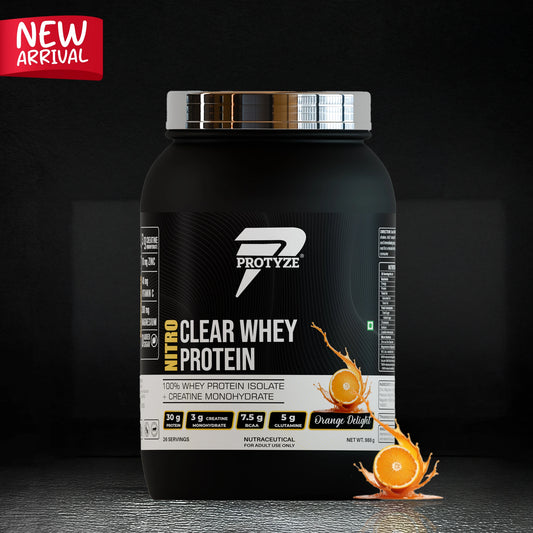
After intense workouts, digestion can feel sensitive. Thick, creamy shakes or heavy meals may cause discomfort, which leads many people to skip protein altogether. Light, water-based protein formats can help here. Clear whey protein, for example, digests faster and feels more refreshing than traditional shakes making it easier to consume immediately after heavy sessions. Clear whey protein options like those from Protyze are designed to deliver fast-absorbing protein in a lighter format, which can support recovery without digestive heaviness.
Is There a “Perfect” Protein Timing Window?
There is no strict “must-consume-within-10-minutes” rule. What matters most:
- Avoiding long delays (several hours)
- Supporting recovery reasonably soon
- Meeting total daily protein needs
If protein is consumed within a sensible post-workout window and digestion is comfortable, recovery is generally well supported.
How Much Protein Is Enough After Heavy Training?
You don’t need excessive amounts. A practical range:
- 20–30g protein post-workout for most people
- Adjust slightly based on body weight and training intensity
Spreading protein across the day matters just as much as the post-workout dose.
Common Mistakes People Make With Post-Workout Protein
Many people unintentionally slow recovery by:
- Skipping protein after heavy workouts
- Waiting too long to eat
- Choosing protein that feels uncomfortable
- Focusing only on supplements, not meals
Fixing these habits often improves recovery faster than changing the workout itself.
Does Faster Absorption Always Mean Better Results?
Faster absorption helps start recovery sooner, but it’s not magic. Protein works best when combined with:
- Adequate calories
- Proper hydration
- Good sleep
- Balanced meals
Absorption speed supports recovery, but consistency builds results.
Conclusion
After heavy training, your muscles are in immediate need of repair. Protein absorption speed matters because it determines how quickly recovery can begin. While you don’t need instant absorption, very slow digestion can delay muscle repair and prolong soreness. Fast-absorbing, easy-to-digest protein options help deliver amino acids sooner, reduce muscle breakdown, and improve readiness for the next workout especially during intense or frequent training phases.
In the end, the goal isn’t perfection.
It’s simple:
👉 Support recovery soon, digest comfortably, and stay consistent.