
Getting enough protein every day can be difficult when meals are not planned in advance. A simple 7-day high-protein meal plan can make it easier to build consistent eating habits while supporting muscle maintenance, recovery, and an active lifestyle.
Protein Day is also a good opportunity to focus on the quality and consistency of your overall diet rather than simply trying to consume as much protein as possible.
What Is a High-Protein Meal Plan?
A high-protein meal plan is a structured eating plan that includes protein-rich foods throughout the day. Your individual protein requirement depends on factors such as body weight, activity level, age, and fitness goals.
Common protein sources include eggs, dairy products, fish, chicken, lean meats, lentils, beans, paneer, Greek yogurt, and protein supplements.
If you regularly exercise, spreading protein across your meals can make it easier to meet your daily target.
7-Day High-Protein Meal Plan
Day 1: Protein-Packed Start
Breakfast:
3 eggs with whole-grain toast and Greek yogurt.
Lunch:
Grilled chicken or paneer with rice, vegetables, and curd.
Snack:
A whey protein shake with water or milk.
Dinner:
Dal, paneer, vegetables, and roti.
Focus: Start the week by including a protein source in every major meal.
Day 2: Balanced Protein
Breakfast:
Egg omelette with vegetables and two slices of whole-grain toast.
Lunch:
Chicken or paneer rice bowl with vegetables and curd.
Snack:
Greek yogurt with nuts and seeds.
Dinner:
Fish or paneer with roti and cooked vegetables.
Focus: Combine protein with carbohydrates and healthy fats instead of eating protein alone.
Day 3: High-Protein Convenience Day
Breakfast:
Eggs with oats and Greek yogurt.
Lunch:
Chicken, paneer, or lentil bowl with rice and vegetables.
Snack:
Whey protein shake and a piece of fruit.
Dinner:
Dal with paneer and roti.
Focus: Use convenient protein sources when you're busy instead of skipping meals.
Day 4: Protein + Recovery
Breakfast:
Egg bhurji with roti and curd.
Lunch:
Chicken or paneer with rice and vegetables.
Snack:
Greek yogurt with almonds.
Dinner:
Lentils, paneer, vegetables, and roti.
Focus: If you're training regularly, combine adequate protein with enough calories and carbohydrates to support recovery.
Day 5: Simple High-Protein Meals
Breakfast:
3–4 eggs with toast and fruit.
Lunch:
Paneer or chicken wrap with vegetables and curd.
Snack:
Whey protein shake.
Dinner:
Dal, rice, paneer, and vegetables.
Focus: Keep meals simple enough that you can realistically follow the plan throughout the week.
Day 6: Protein Variety
Breakfast:
Egg omelette with paneer and whole-grain toast.
Lunch:
Chicken, fish, or paneer with rice and vegetables.
Snack:
Greek yogurt with nuts.
Dinner:
Dal, roti, paneer, and vegetables.
Focus: Rotate protein sources to make your diet more varied and enjoyable.
Day 7: Flexible Protein Day
Breakfast:
Eggs, Greek yogurt, oats, and fruit.
Lunch:
Your preferred lean protein with rice or roti and vegetables.
Snack:
Whey protein shake or Greek yogurt.
Dinner:
Paneer, dal, vegetables, and roti.
Focus: Finish the challenge by creating a meal structure you can continue beyond seven days.
How Much Protein Should You Eat?
There isn't one protein target that works for everyone.
For people who regularly perform resistance training, approximately 1.6–2.2 grams of protein per kilogram of body weight per day is commonly used as a range for supporting muscle growth and recovery.
For example, a 70 kg person following a structured resistance-training program may aim for approximately 112–154 grams of protein per day.
However, your ideal intake can vary based on your goals, activity level, total calorie intake, and individual circumstances.
You can also use our guide on how much protein you need per day to understand protein requirements in more detail.
Can Protein Powder Be Part of a High-Protein Diet?
Yes. Protein powder doesn't have to replace meals. It can simply help fill the gap when your regular diet doesn't provide enough protein.
For example, a whey protein shake can be used as a convenient snack after training or between meals.
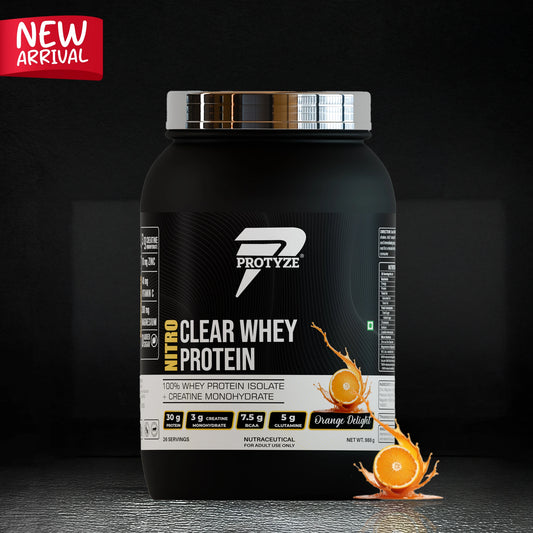
A clear whey option can also be useful for people who prefer a lighter, water-based protein drink rather than a traditional milkshake-style protein shake.
The priority should always be your overall diet. Protein supplements are a convenient addition, not a requirement for a high-protein diet.
Tips for Completing the 7-Day Protein Challenge
1. Include protein in every main meal
Instead of consuming most of your protein at dinner, distribute it throughout the day.
2. Plan your meals
Preparing protein sources in advance can make it easier to stay consistent.
3. Don't forget carbohydrates
Rice, roti, oats, potatoes, fruits, and other carbohydrate sources can provide energy for training and daily activity.
4. Stay hydrated
Water is important regardless of how much protein you consume.
5. Focus on consistency
A sustainable diet is more useful than following an extremely restrictive meal plan for a few days.
Final Takeaway
A 7-day high-protein meal plan can help you build better eating habits and make your daily protein intake more consistent. Include a quality protein source at each main meal, combine protein with nutritious carbohydrates and fats, and adjust portions according to your individual calorie and protein requirements.
You don't need to make every meal complicated. Simple foods such as eggs, paneer, dairy, lentils, chicken, fish, and convenient protein supplements can all contribute to your daily protein target.
The real challenge isn't eating high protein for seven days—it's creating a routine you can maintain long after Protein Day is over.