
Quick Answer
Yes, abs need protein to repair and grow, just like other muscles. However, protein alone won’t make your abs visible. Combine adequate protein, regular core training, overall strength training, proper nutrition, and recovery for better core muscle growth.
Visible abs are not only about doing hundreds of crunches. Your abdominal muscles are skeletal muscles, just like your chest, back, shoulders, and legs. They need adequate nutrition, training, recovery, and progressive overload to develop.
One of the most important nutrients for muscle development is protein. But does that mean you need extra protein specifically for your abs? Not exactly. Your overall daily protein intake matters more than targeting protein specifically for your core.
Do Abs Need Protein?
Yes, your abdominal muscles need protein to repair and grow after training. When you train your core, the muscle fibers experience stress. Your body uses amino acids from dietary protein to support muscle repair and adaptation.
However, protein alone will not create visible abs. A combination of resistance training, sufficient protein, appropriate calorie intake, recovery, and overall body composition determines how your abs develop and appear.
How Does Protein Help Build Abs?
Protein provides amino acids that your body uses to repair muscle tissue after exercise. Consistently consuming enough protein can support muscle protein synthesis, which is an important process involved in muscle growth.
If your goal is stronger and more developed abs, your nutrition should support your entire body rather than focusing only on your abdominal muscles.
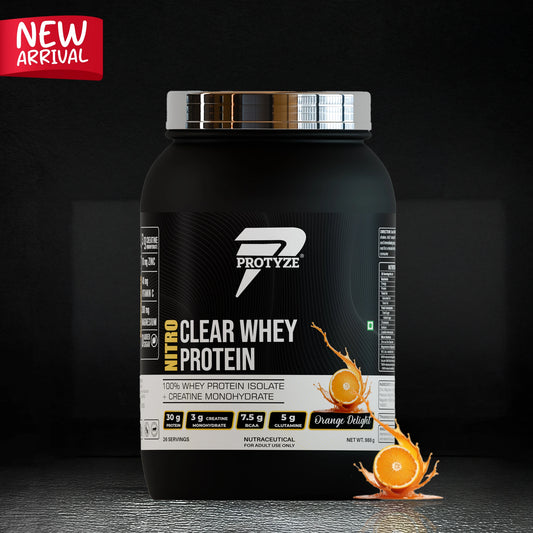
This is where protein supplements to gain muscle can become useful. They can help you reach your daily protein target when getting enough protein from regular meals is difficult.
Can Protein Help Make Your Abs More Visible?
Protein can support muscle growth, but it does not directly burn belly fat or reveal your abs.
Your abdominal muscles may become stronger and more developed through training, but they can remain less visible if there is a higher level of body fat covering them.
For this reason, developing visible abs generally involves two separate goals:
- Building and maintaining abdominal muscle
- Managing overall body fat through appropriate nutrition and activity
There is no specific food or supplement that can selectively remove fat from your stomach.
How Much Protein Do You Need for Muscle Growth?
Your protein requirement depends on factors such as body weight, training frequency, activity level, age, and overall diet.
For people who regularly perform resistance training, a commonly used range is around 1.6–2.2 grams of protein per kilogram of body weight per day.
For example, someone weighing 70 kg may need approximately 112–154 grams of protein per day, depending on their individual goals and circumstances.
You do not need to consume all of this protein in one meal. Spreading protein intake across your meals can make it easier to consistently meet your daily target.
Protein Powders to Build Muscle: Are They Necessary?
Protein powder is not mandatory for building muscle. Foods such as eggs, dairy products, fish, meat, legumes, and other protein-rich foods can provide the protein your body needs.
However, protein powders to build muscle can be convenient when your normal diet does not provide enough protein.
For example, a protein shake can be an easy option after training or between meals when preparing a high-protein meal is not practical.
The important factor is your total daily protein intake rather than whether your protein comes from food or a supplement.
Is Whey Protein Good for Muscle Growth?
Whey protein is a complete protein containing all nine essential amino acids. It is also a convenient way to increase your daily protein intake.
Research on protein supplementation and resistance training supports the role of adequate protein in promoting muscle growth and recovery.
If you're considering muscle growth whey protein, focus on the protein content per serving, ingredient quality, serving size, and whether the product fits your overall nutritional needs.
Similarly, muscle gain whey protein can be useful when you're trying to increase your protein intake while following a structured resistance-training program.
Don't Forget to Train Your Abs
Protein cannot replace training. To develop your core, include exercises that challenge the abdominal muscles progressively.
Some options include:
- Cable crunches
- Hanging leg raises
- Reverse crunches
- Ab wheel rollouts
- Weighted sit-ups
- Planks
Like any other muscle group, your abs need adequate recovery between challenging sessions.
Final Takeaway
So, do abs need protein? Yes. Your abdominal muscles need protein for normal muscle repair and growth, just like other muscles.
But getting visible abs requires more than increasing protein intake. Combine sufficient protein with progressive resistance training, balanced nutrition, recovery, and appropriate calorie intake.
Protein supplements can make meeting your daily protein target more convenient, but they are a supplement to your diet—not a replacement for proper training and nutrition.