
A vegetarian diet can be an effective way to support weight loss when meals are planned around protein, fiber, vegetables, whole grains, and controlled portions. Simply avoiding meat does not automatically lead to fat loss. Your overall calorie intake, food quality, protein intake, activity level, and consistency all matter.
A balanced vegetarian diet can provide the nutrients your body needs while helping you maintain a sustainable calorie deficit.
Quick Answer
A balanced vegetarian diet can support weight loss with protein-rich foods, fiber, vegetables, and controlled portions. A weight loss drink can complement your routine, while probiotics supplements may support gut health. Consistency is key.
What Is a Vegetarian Weight Loss Diet?
A vegetarian weight loss diet focuses on plant-based foods while avoiding meat and fish. Depending on your preferences, it may include dairy products and eggs.
The goal is to create balanced meals that provide protein, fiber, healthy fats, vitamins, and minerals without excessive calories.
Good vegetarian protein sources include:
- Dal and lentils
- Chickpeas and beans
- Paneer
- Greek yogurt and curd
- Eggs, if included
- Milk
- Nuts and seeds
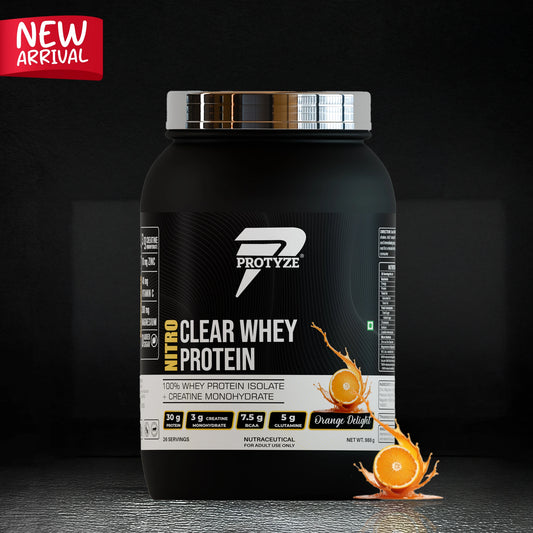
- Whey protein
What Should You Eat for Weight Loss?
Protein-Rich Foods
Protein is important during weight loss because it helps support muscle maintenance and can improve fullness.
Include a protein source in every major meal. Dal, paneer, Greek yogurt, eggs, beans, and whey protein can help you meet your daily protein needs.
Fiber-Rich Foods
Vegetables, fruits, legumes, oats, whole grains, chia seeds, and flax seeds provide fiber. Fiber can help increase fullness and support digestive health.
Increase fiber gradually and drink enough water throughout the day.
Healthy Fats
Nuts, seeds, and moderate amounts of peanut butter can provide healthy fats. However, these foods are calorie-dense, so portion control is important.
Sample Vegetarian Diet Plan for Weight Loss
Breakfast
Choose a balanced breakfast such as:
- Vegetable oats with Greek yogurt
- Vegetable poha with curd
- Eggs with whole-grain toast, if included
- Moong dal chilla with curd
A low-calorie weight loss drink can also be included if it helps you meet your protein needs without adding excessive calories.
Lunch
A balanced lunch could include:
- Dal or chickpeas
- 1–2 rotis or a moderate portion of rice
- Mixed vegetables
- Salad
- Curd or Greek yogurt
This combination provides protein, fiber, carbohydrates, and essential nutrients.
Evening Snack
Choose options such as:
- Fruit
- Roasted chickpeas
- Greek yogurt
- Sprouts
- A small portion of nuts
- Protein drink
A low-calorie fat loss drink can also be an alternative to sugary beverages.
Dinner
Keep dinner balanced and portion-controlled. You could choose paneer with vegetables and roti, dal with vegetables and rice, or a vegetable-based meal with another protein source.
You do not need to completely avoid carbohydrates at night. Your total daily calorie intake matters more than the timing of one food group.
Can Probiotics Support a Vegetarian Diet?
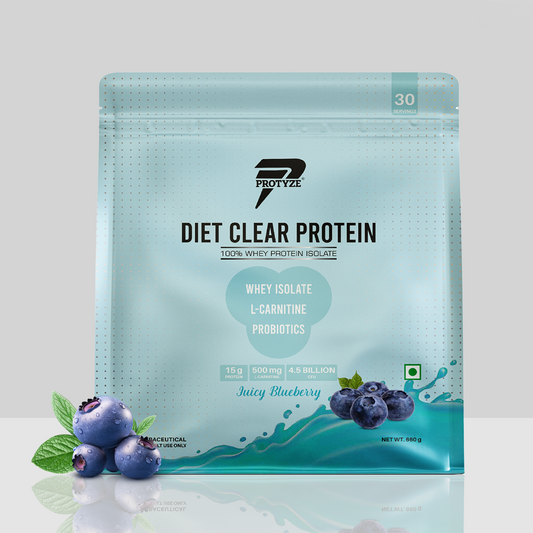
Some people include probiotics supplements as part of their daily wellness routine. Probiotics are live microorganisms that may provide health benefits when consumed in adequate amounts.
However, probiotics are not a weight-loss solution. Their effects depend on the specific strains used and individual factors.
Certain fermented foods and dairy products containing live cultures can also be part of a balanced vegetarian diet.
If you choose probiotics drinks, check the nutrition label because some products may contain added sugar and unnecessary calories.
Probiotics and Gut Health
When considering probiotics gut health, remember that digestive wellness involves more than probiotics.
A balanced vegetarian diet should include Fiber-rich vegetables, fruits, whole grains, legumes, nuts, and seeds. Adequate hydration, physical activity, and good sleep also support overall health.
Probiotics can complement these habits but should not replace a nutritious diet.
How to Choose a Weight Loss Drink
Not every beverage marketed for weight loss is useful for managing calories.
When choosing a weight loss drink, check:
- Calories per serving
- Protein content
- Added sugar
- Ingredients
- Serving size
A protein-based drink can be useful when you struggle to meet your daily protein target. Avoid products that make unrealistic claims about instantly burning fat.
Foods to Limit
You do not have to completely eliminate your favourite foods, but try to moderate:
- Sugary beverages
- Deep-fried foods
- Sweets
- Highly processed snacks
- Large portions of refined carbohydrates
- High-calorie sauces and spreads
Vegetarian foods can still be high in calories, so portion control remains important.
Tips for Sustainable Weight Loss
Prioritize protein: Include protein in every major meal.
Eat more vegetables: They add volume and nutrients while generally being lower in calories.
Control portions: Even nutritious foods can contribute excess calories when eaten in large quantities.
Stay active: Combine strength training, walking, cardio, or other activities you enjoy.
Sleep well: Adequate sleep supports recovery and healthy lifestyle habits.
Stay consistent: Sustainable fat loss comes from habits you can maintain over time.
FAQs
Q) Can a vegetarian diet help with weight loss?
Yes. A vegetarian diet can support weight loss when it provides appropriate calories, adequate protein, fiber, and balanced nutrition.
Q) What is the best weight loss drink?
There is no single drink that causes weight loss. A low-calorie, protein-rich weight loss drink can be useful when it fits your overall diet.
Q) Are probiotics supplements necessary for weight loss?
No. Probiotics supplements are not necessary for weight loss. They may support specific aspects of digestive health, but fat loss mainly depends on calorie balance and lifestyle habits.
Q) Can probiotics drinks help with weight loss?
Probiotics drinks can be included in a balanced diet, but they should not be considered direct fat-loss products. Check their calorie and sugar content.
Q) What does probiotics gut health mean?
Probiotics gut health refers to using specific beneficial microorganisms as part of a routine intended to support digestive health. Benefits can vary by strain and individual.
Q) Is a fat loss drink necessary?
No. A fat loss drink is not required for losing body fat. Water and other low-calorie beverages can support hydration, while protein drinks can help meet nutritional needs.
Conclusion
A vegetarian diet can support healthy weight loss when it focuses on protein-rich foods, vegetables, fiber, healthy fats, and appropriate portions.
Instead of following extreme restrictions, build balanced meals that you can maintain consistently. Stay active, drink enough water, prioritize protein, and get adequate sleep.